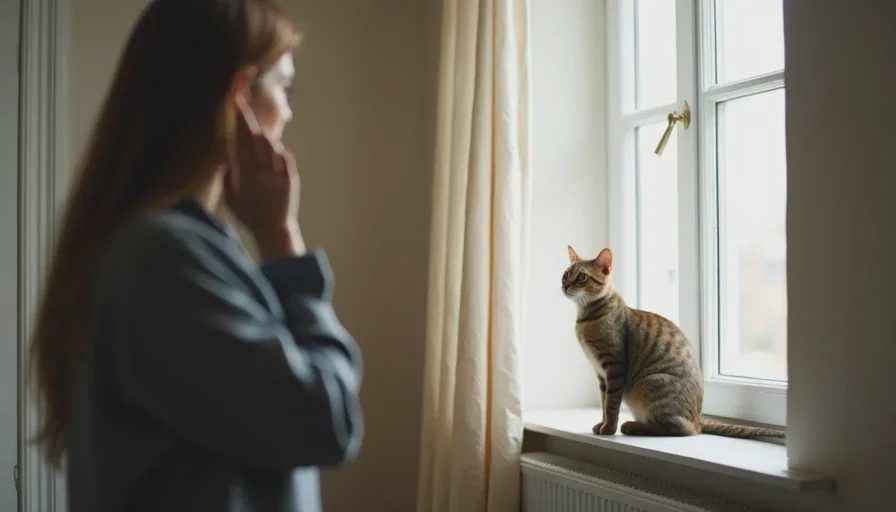
I used to stand in the hallway and call Miso’s name like I was still talking to a dog.
“Miso. Miso. Come on. Miso!”
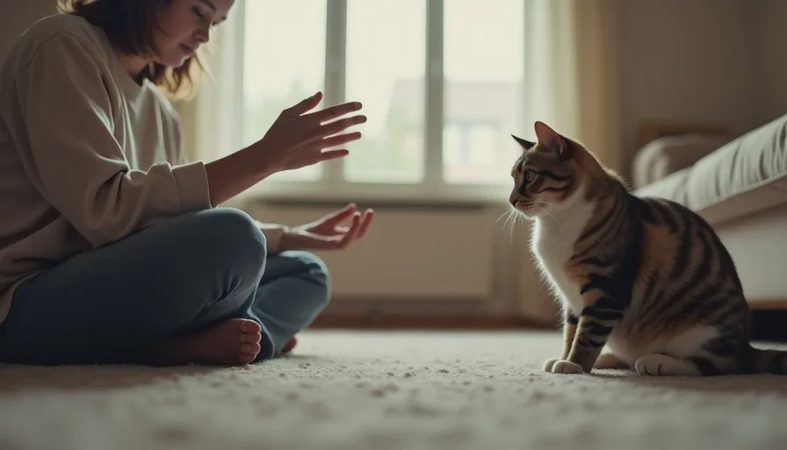
Silence. Or a slow head turn from the couch, followed by a return to staring at nothing in particular. I felt faintly ridiculous and occasionally insulted. The feeling faded once I stopped measuring the response against the wrong species.
Cats recognize their own names. A 2019 study demonstrated that they can distinguish their name from similar-sounding words and from the names of other cats in the same household, even when a stranger says it. Recognition is not the same as compliance. A cat hears you. It then runs a quiet cost-benefit analysis and frequently decides the current activity ranks higher than whatever you are offering.
That decision is not defiance. It is the default setting of an animal that was never bred for eager obedience.
Dogs Were Shaped for This. Cats Were Not.
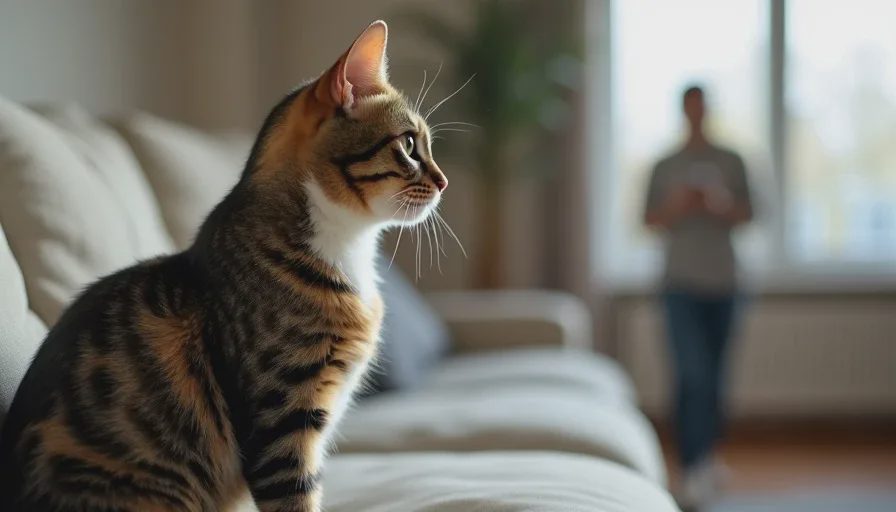
Dogs spent thousands of years being selected for traits that make them attentive to human cues and motivated by cooperation. Coming when called is a foundational skill in that partnership. Cats walked a different path. They moved into human settlements for the rodents, stayed because the arrangement worked, and never underwent the same intensive selection for responsiveness to commands.
When a cat does come, it is usually because the cat has learned that the sound of its name predicts something worth getting up for — food, a specific toy, access to a preferred room, or a reliable play session. The response is conditional and often mood-dependent. It is not a duty.
Calling repeatedly while the cat continues to ignore you does not increase the odds of a response. It turns your voice into background noise. One clear cue, a short pause, and then moving on is more effective and less frustrating for both parties.
What the Non-Response Usually Means
The cat is comfortable and sees no immediate reason to change position.
The cat is in a resting phase. Cats cycle through sleep and low-activity periods far more than most dogs.
The cat has already noted your presence and filed the information as non-urgent.
The cat is occupied with something that ranks higher on its internal list (a bird outside, a sun patch, the memory of a recent meal).
The association with the name has been diluted by too many neutral or mildly negative outcomes (being picked up for medication, moved away from a favorite spot, etc.).
None of these require correction. They require adjusted expectations.
You Can Train a Better Response If You Want To
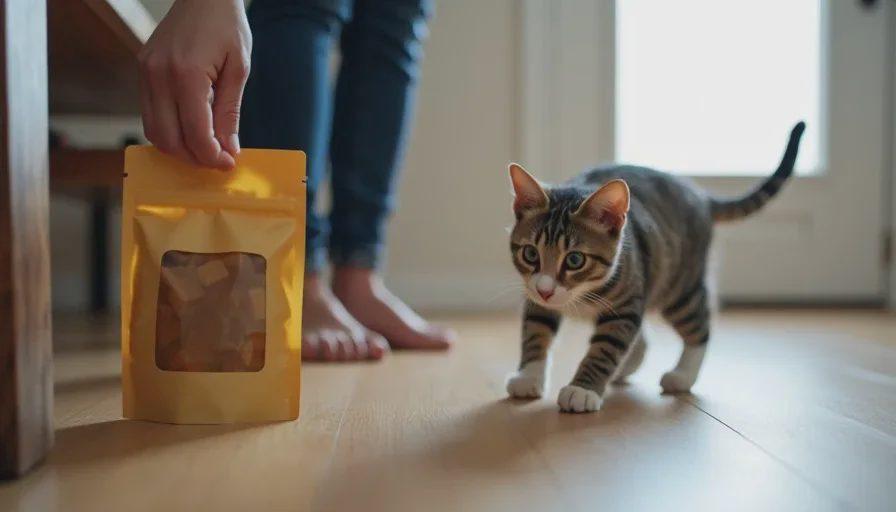
It is possible to build a more reliable recall. Keep sessions short. Pair the name or a distinct cue with high-value rewards. Practice in low-distraction settings first. Stop before the cat loses interest. Never call the cat for something it dislikes and then expect enthusiasm the next time.
Even with solid training, many cats will still choose not to come on some occasions. That is not a training failure. It is the animal retaining the right to decline. Dogs can be taught to override their own preferences more readily. Cats generally do not surrender that option as completely.
The Permission Slip
You are allowed to stop interpreting a non-response as rejection or disrespect. The cat is not scoring your leadership. It is managing its own energy and priorities in a way that makes sense for its species.
You are allowed to feel briefly silly when you catch yourself issuing commands that will not be followed. Most former dog people do this for a while.
You are allowed to enjoy the times the cat does choose to approach without needing that behavior to become consistent or obligatory.
Miso will come for the sound of the treat cupboard and for the specific shake of a certain bag. He will appear when I sit on the floor with a wand toy. He will not come because I said his name in a firm voice from another room while he was comfortable. Nori rarely comes to any vocal cue; she prefers to materialize when the environment feels safe and the timing suits her. Dumpling sometimes performs a full cheerful approach and sometimes does not. All three versions are normal.
The relationship does not require a reliable “come.” It requires clear communication in both directions, respect for the cat’s autonomy, and the willingness to meet the animal where it actually is instead of where a different species would be.
Once I stopped waiting for a dog-like response, the silence stopped feeling like a slight. It just became information: the cat is fine, the cat heard me, the cat has other plans. That is a complete and acceptable interaction.
Your cat, your rules. And the cat’s right to ignore the rules is part of the deal.
Letters
No letters yet. Yours could be the first.