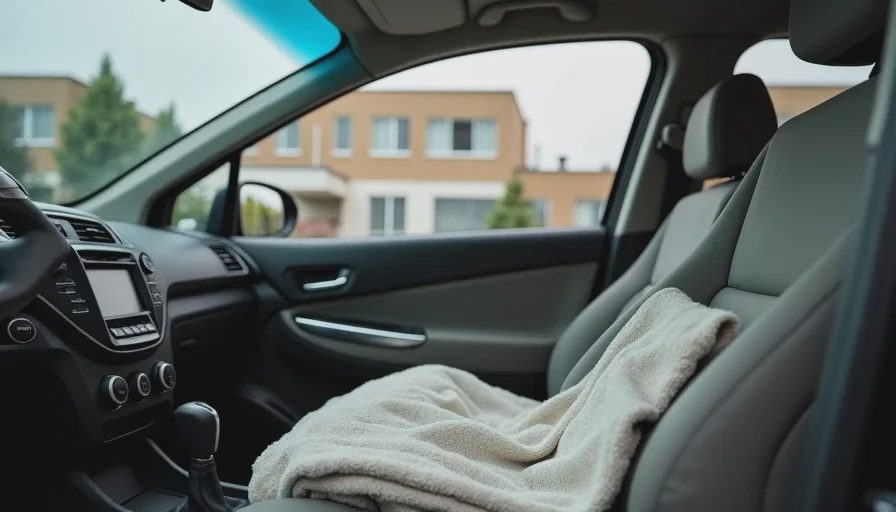
I still cry in the car.
Not every single time. Some goodbyes are lighter, especially when the cat was short-term or never fully settled into the rhythm of the apartment. But the ones that lived here long enough to develop preferences, the ones that learned the sound of the treat cupboard, the ones that finally started sleeping on the bed instead of under it — those still get me. I load the carrier into the passenger seat, drive to the adoption appointment or the shelter handoff, complete the paperwork, and then sit in the parking lot for a few minutes with the engine off. The quiet feels larger than it should.
I have done this more than thirty-eight times. The number is not exact because some early fosters blurred together and a couple of emergency one-night holds never really counted in my head. The point is not the tally. The point is that the tears did not stop after the fifth or the fifteenth. They changed shape, but they stayed.
The Attachment Is Not a Mistake
People who have never fostered sometimes treat the sadness as evidence that you are doing it wrong. “If it hurts that much, maybe you shouldn’t foster.” The logic sounds tidy until you sit with it. Attachment is the mechanism that makes the work possible. You notice the small changes in appetite. You adjust the litter box location when the current one is being avoided. You stay up later than planned because a kitten is not settling. You do those things because the specific animal in front of you matters. If it did not matter, the care would be thinner and the outcomes worse.
The grief is the cost of that attention. It is not a design flaw. It is the receipt.
I used to try to keep a careful emotional distance. I told myself the cat was temporary, that I would not name it beyond the shelter ID, that I would avoid certain soft behaviors that felt too permanent. It never worked for long. The animal still needed handling, feeding, and observation. The routines still formed. The preferences still appeared. Trying to stay detached just added a layer of self-consciousness on top of the actual work. Eventually I stopped performing distance and accepted that I would feel the leaving.
What the Goodbye Actually Contains
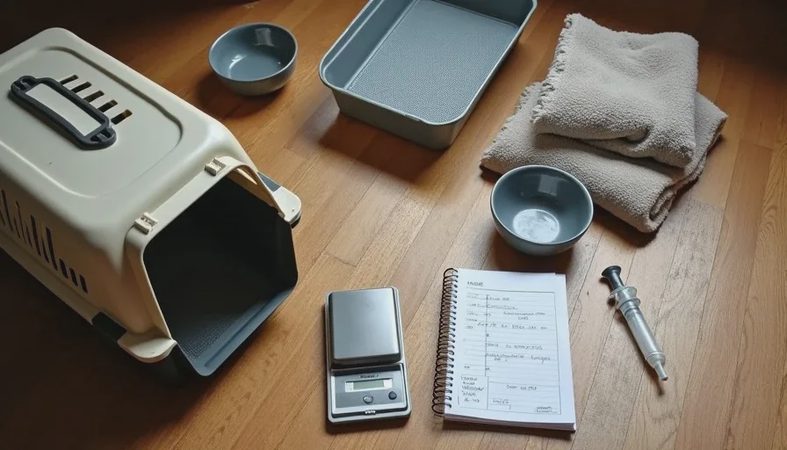
There is the practical layer: gathering the medical records, washing the bedding, returning the spare litter box to the storage corner, wiping down the surfaces the cat used most. There is the logistical layer: coordinating the meeting time, making sure the adopter has the right food transition plan, answering the last round of questions about personality and quirks.
Then there is the quieter layer that happens after the carrier is out of the apartment. The food bowl that is suddenly unnecessary. The specific sun patch that is empty. The absence of the particular sound that cat made when it wanted the bathroom door opened. These are small things. They accumulate.
I have handed cats to adopters who cried with relief and excitement. I have handed cats to people who seemed almost too calm, which made me worry later. I have driven away knowing the match was excellent and still felt the drop in my chest. I have driven away with a low-level unease that I could not fully justify and then checked in more times than was strictly necessary. Both reactions are part of the same process. You do the best matching you can with the information you have, and then you release control.
Some goodbyes are complicated by the knowledge that the cat was difficult — medical needs, behavioral quirks, a history that made placement slower. Those leaves carry a different weight. Relief that the right home finally appeared mixed with the awareness of how much effort went into getting the animal ready. The car cry in those cases is often shorter and more exhausted than sad.
Foster Fails and the Ones That Stay
Two cats never left. Miso and Nori. Dumpling was the third, though her arrival was less a classic foster fail and more a spontaneous decision in a shelter aisle. The existence of the permanent residents does not cancel the goodbyes of the others. If anything, it sharpens them. The cats that stay are living proof that the attachment system works. The cats that leave are the reason the system exists in the first place.
I used to feel a low-grade guilt about the ones that stayed, as if keeping them reduced my capacity for the temporary ones. In practice the resident cats have made the fostering more sustainable, not less. They provide a baseline of normalcy. They absorb some of the emotional overflow. They also force better management of space and resources, which ends up benefiting the temporary residents too.
Not every strong bond should become a foster fail. Capacity is finite. The household has limits. Saying goodbye to a cat you love so that the next one can take the open spot is a coherent decision, not a failure of feeling.
How the Grief Changes Over Time
Early on the sadness felt sharp and slightly shameful. I worried that crying meant I was too soft for the work. Later it became more familiar, like a weather pattern I recognized. I stopped trying to talk myself out of it. I let the parking-lot minutes exist without rushing them. I went home, cleaned the space, and usually waited a few days before saying yes to the next request.
Some leaves still surprise me with their intensity. A cat I thought of as straightforward turns out to have left a deeper mark than expected. A short placement ends up mattering more than a longer one. The unpredictability keeps the process from becoming purely procedural.
I do not romanticize the grief. It is not noble. It is simply the consequence of paying attention to an animal that is not staying. The alternative — withholding attention so the leaving hurts less — produces worse care and a thinner experience for both the human and the cat. I would rather have the full version.
Why the Goodbye Is the Point
Fostering is not a trial adoption. It is a deliberate, temporary intervention that moves an animal from a higher-risk or higher-stress situation into a lower-risk one and then into a permanent home. The goodbye is the mechanism that keeps the pipeline open. Without it, every foster home eventually fills and stays full. The next cat stays in the shelter or the situation it was removed from.
That framing helps on the harder days. The sadness is real and specific. It is also in service of something larger than the individual attachment. The cat that left is, if the match was sound, sleeping in a home that does not have an expiration date. The space that opened is available for the next intake. Both of those facts can be true at the same time as the quiet in the apartment.
I have stood in the same parking lots more times than I can cleanly count. I have wiped my face, started the car, and driven home to an apartment that felt temporarily too large. I have also, within days or weeks, set up the foster room again. The sequence has repeated often enough that it has become part of the identity of the work rather than a crisis that threatens it.
The tears in the car are not a sign that I should stop. They are evidence that the cats were never just inventory moving through a system. They were specific animals that lived here for a while, altered the daily texture of the place, and then left for longer lives elsewhere. Feeling that alteration is appropriate.
If you foster long enough, you will collect your own version of these parking-lot minutes. You will learn which goodbyes sit lightly and which ones require more recovery time. You will decide, over and over, whether to keep the door open for the next one. The decision is allowed to be complicated. The sadness is allowed to coexist with the willingness to begin again.
The goodbye is not the failure of the foster. It is the completion of it.
Your cat, your rules. Even the ones who only stay for a chapter.
Letters
No letters yet. Yours could be the first.