The case file: no cat is truly shed-free
The first time I searched for cat breeds that don't shed, I was sitting beside a foster kitten's litter box at 2 a.m., covered in fur and regret. The kitten was adorable, medically complicated, and apparently committed to decorating my black sweatshirt with a fine orange dust. I wanted a cleaner apartment. What I actually needed was a lint roller, a better vacuum, and a more honest definition of "low shedding."
Here is the useful truth: every cat with hair sheds at least some. Hairless cats still produce skin flakes and body oils, and curly-coated cats still leave something behind. Some breeds simply release less loose fur than a fluffy domestic longhair. That difference can be substantial, especially on couches, clothing, and bedding, but it does not turn a cat into a maintenance-free roommate.
Breed is only one part of the file. Age, health, season, diet, stress, and coat texture all affect shedding. A sick cat can lose more hair than expected, while a healthy short-haired mixed breed might shed very little. If you are fostering or adopting, ask for the individual cat's history instead of trusting a breed label alone.
Cat breeds that don't shed much
The Sphynx is the obvious example because it has little to no traditional coat. That does not mean zero grooming. Sphynx cats need regular bathing because skin oils collect on their bodies, and their ears can need frequent cleaning. They also need warmth and protection from intense sun. Budget for gentle pet-safe cleaning supplies and a heated sleeping spot rather than assuming the lack of fur saves money.
The Devon Rex has a short, wavy coat that usually sheds less visibly than a standard cat's coat. My Devon Rex, Nori, left far less fur on blankets than my orange tabby, Miso, but she still needed occasional brushing and had a completely separate opinion about being handled. Cornish Rex cats have a similarly unusual coat and can be energetic, vocal, and intensely people-focused.
Other cats commonly mentioned include the Peterbald, Donskoy, and LaPerm. Their coats vary from nearly hairless to soft and curly, so the phrase cat breeds that don't shed describes a range rather than one guaranteed experience. Before adoption, spend time with the actual cat, rub a dark shirt against its coat, and ask whether the shelter has noticed hair loss or skin irritation.

I spent money so you don't have to
My first low-shed setup cost more than expected. A basic metal comb was about $9, a washable furniture cover cost $28, a handheld vacuum ran close to $70, and the first “miracle” grooming glove I bought for $19.99 mostly entertained the cat. The glove was not a disaster, exactly, but it collected less fur than the blanket underneath us.
A better plan is boring and inexpensive. Start with a soft grooming tool suited to the coat, a washable bed cover, a lint roller, and a vacuum with a crevice attachment. For a hairless cat, replace the brush budget with veterinarian-approved bathing supplies and a few extra towels. Ask your veterinarian before using shampoos, wipes, or oils, since irritated skin can become a much bigger expense than a little fur.
Food is another place where people overspend based on marketing. A balanced diet from a reputable manufacturer supports general health, but no supplement can guarantee a shed-free coat. If you notice bald patches, dandruff, constant scratching, redness, or a sudden change in shedding, schedule a veterinary exam instead of adding random products to the cart.
Allergies are not just about loose fur
Many people searching for cat breeds that don't shed are really searching for a cat they can tolerate with allergies. The main allergen is commonly associated with a protein called Fel d 1, found in saliva and skin secretions. Fur spreads that protein around the home, but removing visible hair does not remove the allergen itself.
That is why one person may react strongly to a Sphynx while tolerating another cat better. There is no universally hypoallergenic cat. If allergies are part of your household, spend time with the specific animal before adoption, wash your hands after handling, keep the bedroom cat-free if possible, and use a HEPA air purifier. An allergist can also help you build a treatment plan.
Do not bring home a cat based only on a website list. A short visit is not a perfect test, but it is more useful than a photo and a breed description. Foster-to-adopt arrangements can provide a more realistic picture of symptoms, cleaning needs, and whether everyone in the home can breathe comfortably.
Personality still outranks the coat
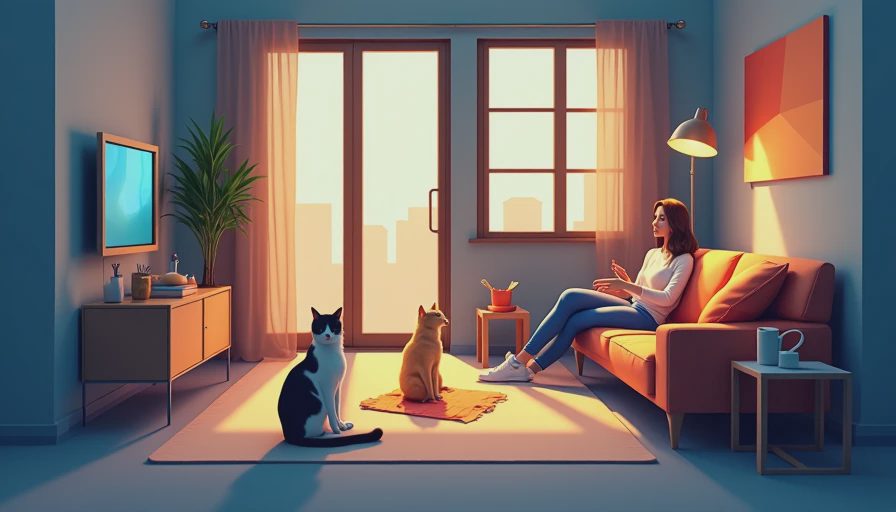
A low-shed cat that hates being touched may be a terrible match for someone wanting a lap companion. Devon Rex and Cornish Rex cats are often playful and social, while Sphynx cats are frequently described as affectionate and attention-seeking. Those are tendencies, not contracts. Individual history matters more, especially with rescue cats.
When I evaluate a potential foster match, I look at energy level, confidence, handling tolerance, medical needs, and how the cat responds to other animals. A calm adult domestic shorthair can be a better apartment companion than a high-energy pedigreed cat, even if the shorthair leaves more fur behind. Your cat, your rules, but the cat's actual personality gets a vote.
For multi-cat households, introduce any new arrival slowly. A separate room, duplicate food and water stations, multiple litter boxes, and scent swapping can prevent a stressful first week. Stress can increase grooming, hiding, and coat problems, so a peaceful introduction is part of coat care too.
How to choose without getting fooled by a list
Start by deciding what problem you are solving. If it is furniture covered in hair, focus on coat length, grooming tolerance, and the individual cat's shedding history. If it is allergies, arrange an in-person trial and speak with a medical professional. If it is limited time, avoid assuming that a hairless cat requires no work; skin care can be more involved than brushing.
Then ask practical questions. How often has the cat been groomed? Does it tolerate nail trims? Has a veterinarian checked its skin and ears? Is there a history of allergies, parasites, or overgrooming? What happens during seasonal changes? A responsible breeder, shelter, or foster caregiver should answer directly rather than promising a completely hypoallergenic pet.
The most reliable cat breeds that don't shed are still cats first: they need veterinary care, enrichment, quality food, clean litter, and patience. Plan on startup costs of roughly $150 to $400 for supplies, with medical care potentially adding much more. That estimate is not meant to scare you; it is meant to keep the first surprise from being a financial emergency.
My honest recommendation
If minimal visible fur is your priority, meet a Sphynx, Devon Rex, or Cornish Rex in person and learn the grooming routine before committing. If allergies are the priority, test your reaction to the individual cat. If your heart is already attached to a shelter cat, do not reject a wonderful match because it is not on a “low-shed” list. A weekly vacuum is cheaper than choosing a personality you cannot live with.
After eight years, more than 40 foster cats, and one $200 litter box that became an expensive sandbox, I have stopped promising perfect choices. I look for a workable match, an honest budget, and a plan for the messy parts. That is the real answer behind cat breeds that don't shed: less fur can be convenient, but compatibility is what makes the home work.
Your cat, your rules.


Letters
No letters yet. Yours could be the first.