Intake notes: one cat, zero clue what I was doing
My first foster cat experience began with a skinny orange tabby, an upper respiratory infection, and a carrier that smelled like panic. Miso was estimated to be about six months old, underweight, congested, and furious about being rescued. I had fostered exactly zero cats. I owned one litter box, one bag of dry food, and the confidence of a person who had watched three kitten videos online.
The first night, Miso hid behind the washing machine. I crawled after him with a towel, cried into my coffee, and called the rescue coordinator twice. The lesson arrived quickly: fostering is not casually babysitting a cat. You are providing a safe landing zone while learning the animal's medical history, habits, fears, and extremely specific opinions about litter texture.
That does not mean you need a spare bedroom or a veterinary degree. It means you need a small plan, a closed door, and the willingness to observe before trying to fix everything. A foster cat experience gets much easier when the first goal is not affection. The first goal is safety.
Set up a quarantine room before the carrier arrives
The most useful thing I bought was not a fancy calming gadget. It was a $12 plastic storage bin for supplies. Put it in a quiet room with a secure door, washable bedding, food and water dishes, a litter box, a hiding place, and a few simple toys. Keep food and water away from the litter box, and remove hazards such as loose cords, toxic plants, open windows, and recliners where a nervous cat can disappear.
A bathroom works well for a short stay, although a larger room is kinder for an active adult cat. Use an inexpensive cardboard box with two openings as a hideout. A cat that can retreat but still see you often settles faster than one forced to face a huge unfamiliar room.
During my second foster cat experience, I spent $34 on a plush cat cave. The cat ignored it and slept inside the cardboard box from a delivery of paper towels. Since then, I save money by offering choices before buying equipment. Washable blankets, paper bags with handles removed, and sturdy boxes have done more work than many products marketed as essential.

For the first day, keep visits brief and boring. Sit on the floor, read a book, and avoid staring directly at the cat. Speak softly, refresh food, scoop the box, and leave. A cat that eats overnight, urinates normally, and slowly watches you is making progress, even if it has not accepted a single pat.
The medical part is real, so keep a boring log
Your rescue or shelter should explain the cat's known history, vaccination status, parasite treatment, medications, and upcoming veterinary appointments. Ask who pays for care and which clinic to use before you have a problem at 2 a.m. Keep those numbers in your phone and on paper in the quarantine room.
Record meals, water intake, litter box use, vomiting, stool changes, sneezing, energy, and medication doses. This sounds excessive until a coordinator asks whether the cat has eaten since yesterday and you realize every day blurred together. A ten-second note can prevent a very stressful guessing game.
Call the rescue promptly about breathing difficulty, repeated vomiting, severe diarrhea, collapse, a painful eye, inability to urinate, or a cat that stops eating. Do not improvise with human medicine or internet home remedies. Even a familiar symptom can have several causes, and kittens, seniors, and medically fragile cats can deteriorate quickly.
One foster cat experience involved ringworm, which meant laundry, disinfecting, and treating the environment instead of simply applying a cream and hoping for the best. It was annoying, not shameful. Medical surprises are part of rescue work. A calm system helps you respond without turning every sneeze into a personal failure.
Introductions should be measured in weeks, not minutes
I once opened a door too soon because the resident cats seemed curious. Curiosity turned into hissing, one dramatic chase, and me sliding across the hallway in socks. Nobody was injured, but the reset took days. Cats do not need to become instant friends to share a home successfully.
Start with scent. Trade bedding between rooms, feed cats on opposite sides of the closed door, and reward calm behavior with treats or play. When both sides can eat, rest, and approach the door without escalating, try brief visual contact through a baby gate or cracked door. End the session while everyone is still calm.
Supervised room-sharing comes later. Provide multiple escape routes, elevated spaces, and separate resources. The usual guideline of one litter box per cat plus one extra is useful when space allows, but spreading boxes, food stations, scratching surfaces, and resting spots matters just as much. A crowded resource can create conflict even between cats that otherwise tolerate each other.
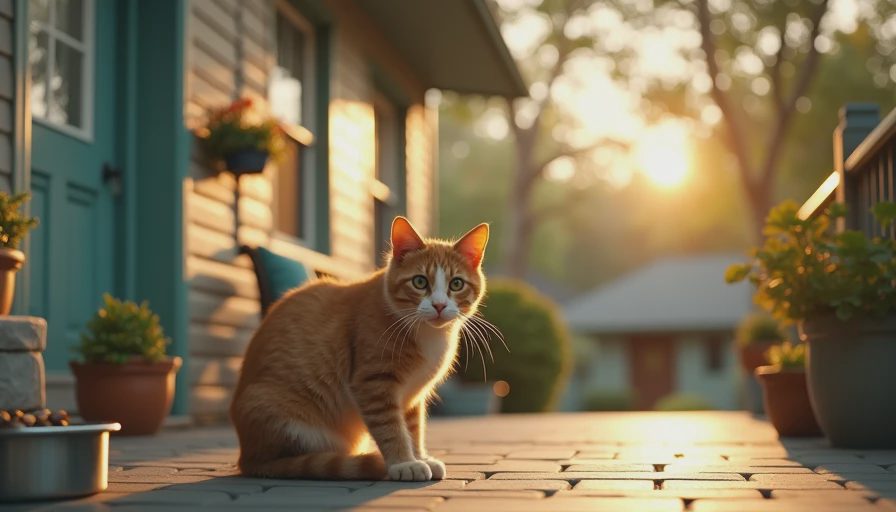
My most successful introduction lasted nearly a month. My fastest took four days. Neither timeline proves anything about the next cat. The foster cat experience is less about following a perfect calendar and more about reading body language: loose posture and normal eating are encouraging; blocking, stalking, repeated swatting, and hiding all day mean you should slow down.
I spent $86 so you do not have to
Here is the practical starter budget from a typical setup: $12 for a storage bin, $10 for a basic litter box, $18 for unscented litter, $16 for wet food, $9 for washable bowls, and about $21 for cleaning supplies and disposable gloves. A carrier is another $25 to $60 if you do not already own one. Ask the rescue what it provides before shopping. Many groups loan carriers, crates, food, litter, and medical supplies.
Skip scented litter and heavily perfumed cleaners in the beginning. Cats have sensitive noses, and strong smells can make a new room feel even less familiar. I have also stopped buying automatic toys for brand-new fosters. A wand toy, a bottle cap, and ten minutes of attention usually tell me more about a cat's personality than a $40 gadget.
The money conversation matters because fostering should not quietly become an emergency expense you cannot manage. Clarify reimbursement limits, approval requirements, and adoption-fee arrangements. Save receipts in a phone folder. Clear expectations protect both the foster family and the rescue.
The goodbye is part of the job
The hardest foster cat experience is often the successful one. You help a cat learn that hands bring food instead of fear, then an approved adopter arrives and takes that progress home. I have sat in my car after a handoff and cried so hard I missed a green light. That does not mean the placement was wrong. It means the relationship mattered.
Before adoption, send a simple care sheet with feeding times, litter preferences, hiding spots, medications, favorite toys, and warning signs. Include honest details. If the cat screams at 4 a.m. or attacks shoelaces, the adopter deserves to know. Good information prevents returns and gives the cat a better chance.
Take photos and short videos throughout the stay. A shy cat may look unremarkable in a shelter kennel but become irresistible while kneading a blanket or chasing a spring. Keep descriptions specific rather than promising that every cat is perfect. The right match comes from accuracy, not sales language.
What this experience teaches you
A foster cat experience will test your laundry routine, your patience, and your ability to sleep through suspicious thumps. It will also teach you to notice tiny victories: the first meal eaten while you are in the room, the first relaxed blink, the first use of the scratching post instead of your sofa.
Start with one cat and one manageable commitment. Ask questions early, follow the medical plan, move introductions slowly, and remember that behavior is communication rather than a moral judgment. Some cats need days; others need months. Some will leave and some will become the cat who was obviously meant to stay, despite your original paperwork.
I began with Miso and eventually fostered more than 40 cats. I still make mistakes. I still buy the wrong toy. But the process no longer feels mysterious. It is observation, preparation, patience, and a willingness to try again tomorrow. Your cat, your rules.



Letters
No letters yet. Yours could be the first.