The first time a shelter coordinator said the words “possible ringworm” on the phone, I felt my stomach drop. The second time, when a litter came in with a panleukopenia exposure history, I nearly declined the placement. Both times I said yes anyway, mostly because the alternative was the cats staying in a stressful shelter environment longer.
Both experiences were harder than a standard healthy foster and more manageable than the horror stories I had read in late-night forum threads. This is the practical version of what those placements actually looked like in a one-bedroom Portland apartment with three resident cats.
Ringworm: Contagious, Visible, and Extremely Treatable
Ringworm is a fungal infection, not a worm. It spreads through spores that can linger on surfaces and bedding. It is zoonotic, meaning humans can catch it, though most healthy adults clear it without drama. The visible signs are circular patches of hair loss, sometimes with scaling or crusting. Kittens and long-haired cats show it more dramatically.
What the placement required:
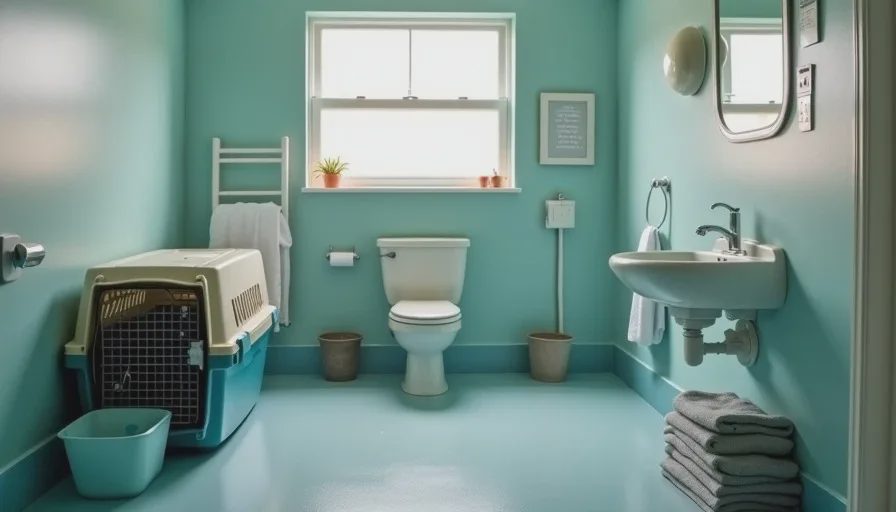
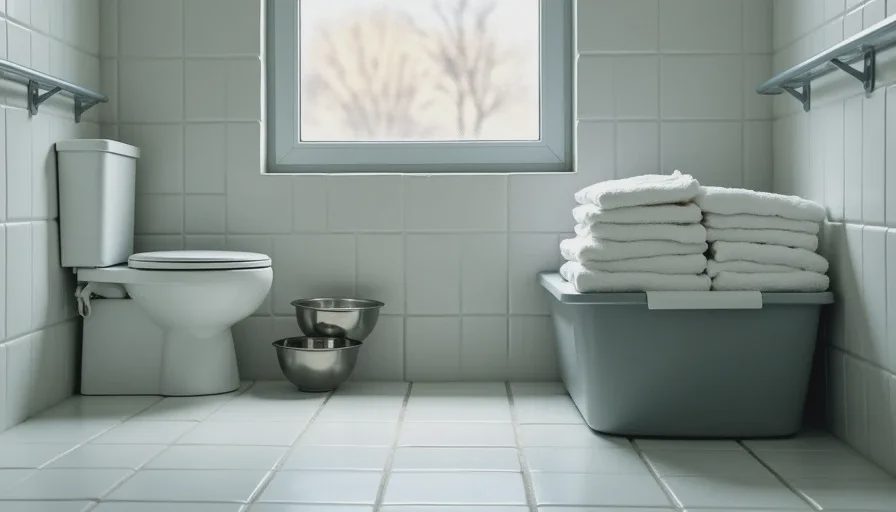
Strict isolation in a room that could be fully disinfected (bathroom in my case). No carpet, minimal fabric, surfaces that could be wiped with diluted bleach or an appropriate disinfectant.
Daily or twice-weekly topical treatment (lime sulfur dips or medicated shampoo/mousse depending on the protocol the shelter used). Lime sulfur smells strongly of rotten eggs. That is not an exaggeration.
Oral antifungal medication for a set course, usually several weeks.
Weekly monitoring, often including fungal cultures or Wood’s lamp checks, until clearance criteria were met.
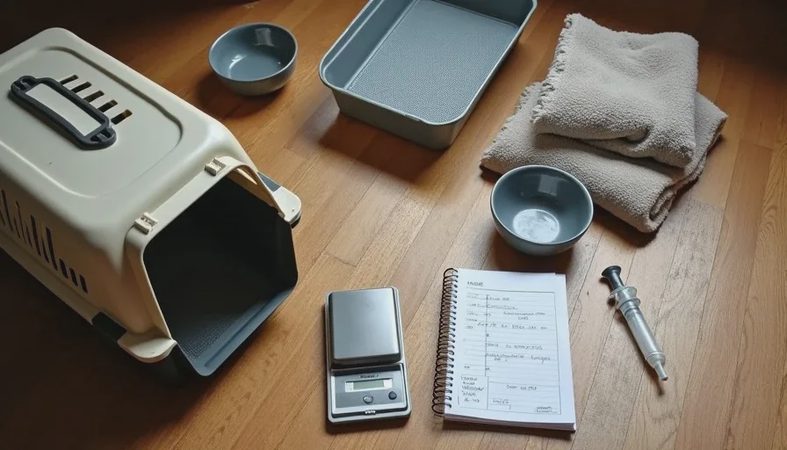
Dedicated towels, bowls, litter box, and clothing for that room. Everything that left the room was either disinfected or bagged for disposal.
The resident cats stayed completely separate. I changed clothes and washed hands after every session in the isolation room. The bathroom got a full clean on a schedule. Treatment length varied, but most cases cleared in a matter of weeks with consistent work. The cats themselves were rarely systemically ill; they were itchy and bald in spots, and they needed the medication and the clean environment to stop shedding spores.
The emotional weight was heavier than the labor. Every new bald patch felt like failure even when the protocol said it was expected. Clearance cultures felt like waiting for exam results. Once the final negatives came back and the space was deep-cleaned, the cat moved into the general foster rotation or to adoption. The apartment did not become permanently contaminated. Spores are manageable with mechanical cleaning plus the right disinfectant.
Panleukopenia: The One That Moves Fast
Feline panleukopenia (sometimes called feline distemper) is a parvovirus. It attacks rapidly dividing cells, hits kittens hardest, and can move through a group quickly. Symptoms include lethargy, vomiting, diarrhea, fever or low temperature, and a sharp drop in white blood cells. Unvaccinated or under-vaccinated kittens have the highest risk.
What an exposure or positive case required:
Immediate and strict isolation. The virus is extremely hardy in the environment and can persist for months on surfaces if not properly disinfected.
Supportive care under veterinary direction: fluids, anti-nausea medication, antibiotics for secondary infection, nutritional support, and close monitoring of temperature and appetite.
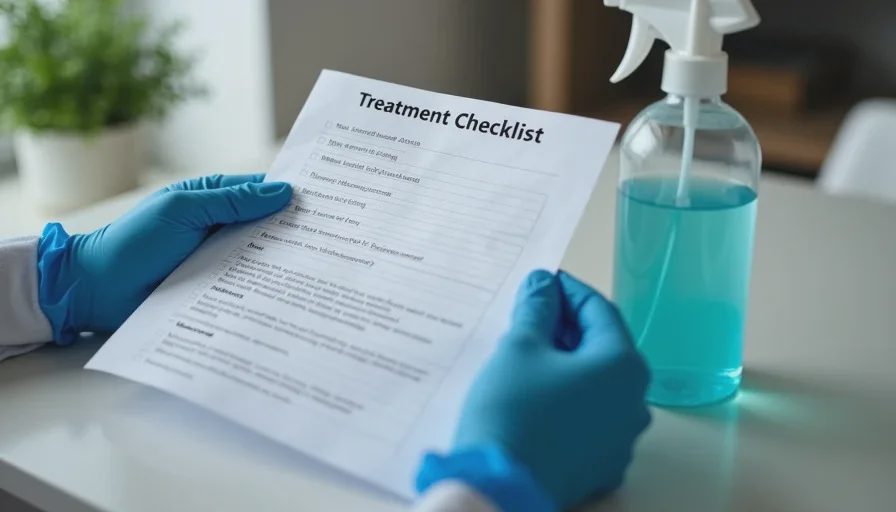
Dedicated everything: bowls, litter, bedding, clothing, and a cleaning protocol that actually kills parvovirus (many common cleaners do not). Bleach solutions at the correct dilution or specific veterinary disinfectants are required.
A quarantine period that extends beyond clinical recovery because recovered animals can continue shedding virus for a period of time.
Full deep disinfection of the isolation space and any items that cannot be thrown away before the next foster enters that area.
I never treated a full clinical panleuk case alone at home; those usually need more intensive veterinary support than a standard foster setup can provide. Exposure quarantines and post-recovery isolation, however, are common foster roles. The key is rigorous biosecurity so the virus does not reach resident cats or future intakes. Vaccination status of resident animals matters. Adult cats with solid vaccine histories are far less vulnerable than young kittens.
The fear is rational. The virus is serious. The practical reality is that clear protocols, isolation discipline, and veterinary partnership turn it from an unmanageable crisis into a defined period of careful work.
What I Wish I Had Known Before the First Scary Diagnosis
Isolation is temporary and containable if you choose the right room and commit to the cleaning. A bathroom is ideal. A spare room with hard floors works. Carpet and upholstered furniture make the job significantly harder.
The emotional load is real. You will worry about transmitting something to your own cats or to yourself. You will feel responsible for every setback. Having a clear written protocol from the shelter or vet reduces the second-guessing.
Most of these cats are adoptable once cleared. Destigmatizing the diagnoses helps them move out of isolation faster. A cat that had ringworm and finished treatment is not a “damaged” cat. A kitten that survived a panleuk exposure and recovered is often a normal, healthy animal on the other side.
You can say no. Capacity includes emotional and practical bandwidth, not just physical space. Declining a high-risk medical foster when you are already stretched is responsible, not selfish.
After the first ringworm placement I deep-cleaned the bathroom and sat on the floor for a while, exhausted and relieved. After the first panleuk-exposure quarantine I threw away more soft goods than I wanted to and rechecked the disinfection list twice. Both times the cats moved on. Both times the apartment returned to normal. Both times I said yes to the next medical foster with clearer eyes.
These conditions are not casual. They are also not reasons to stop fostering. They are reasons to learn the protocols, prepare the space, and treat the work as the serious but finite job it is.
Your cat, your rules. Even the ones who arrive with a diagnosis.
Letters
No letters yet. Yours could be the first.