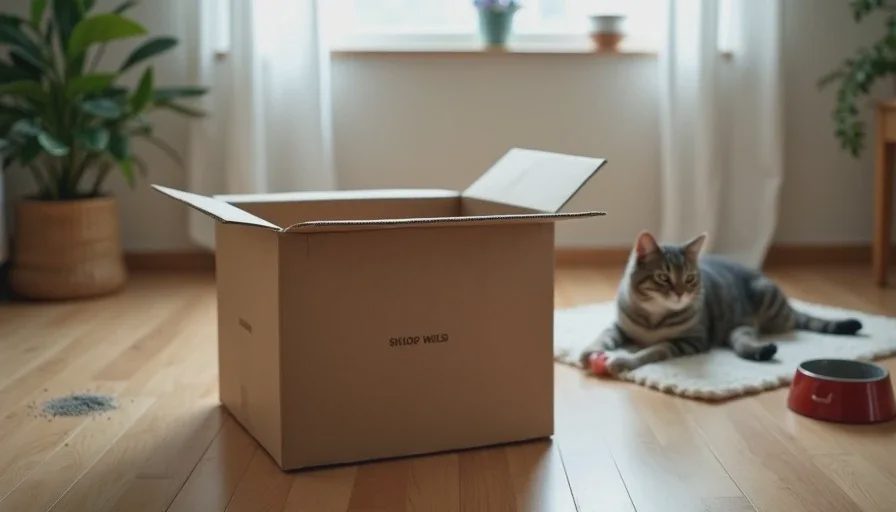
I have ordered a lot of cat supplies over eight years. Some arrived with high expectations and left in the trash or the donation box within weeks. A smaller number earned permanent status because they kept working across different ages, personalities, and medical situations. This is not a sponsored ranking. It is a practical filter based on volume: what held up when the household regularly included kittens, recovering adults, shy cats, and one permanent chaos gremlin.
Litter: The Category That Matters Most
I have tried scented, unscented, clay, alternative, lightweight, heavy, expensive, and bargain options. The consistent winners share three traits: the cats actually use them, the clumps hold together for easy scooping, and the dust stays low enough that I do not regret pouring a new bag.
Unscented clumping clay remains the default. Strong fragrances have caused temporary strikes more than once. Lightweight litters track farther and sometimes fail to clump well under multi-cat volume. Crystal litters look tidy in photos and often get rejected or only partially used. The litters that stay in rotation are the ones that form solid clumps, control odor without perfume, and do not turn the floor around the boxes into a beach.
I buy larger bags when possible because the per-use cost drops and I am less likely to run out mid-week. The brand has changed over time as formulas shift, but the criteria have not. If a new litter requires a hard sell or a long transition period, it usually does not survive the first foster who is already stressed.
Bowls, Fountains, and Feeding Gear
Ceramic or stainless steel wide bowls beat plastic. Plastic scratches, holds odor, and can contribute to chin acne in some cats. Wide, shallow designs reduce whisker stress. I keep multiple feeding stations so the cats are not forced to share a single location.
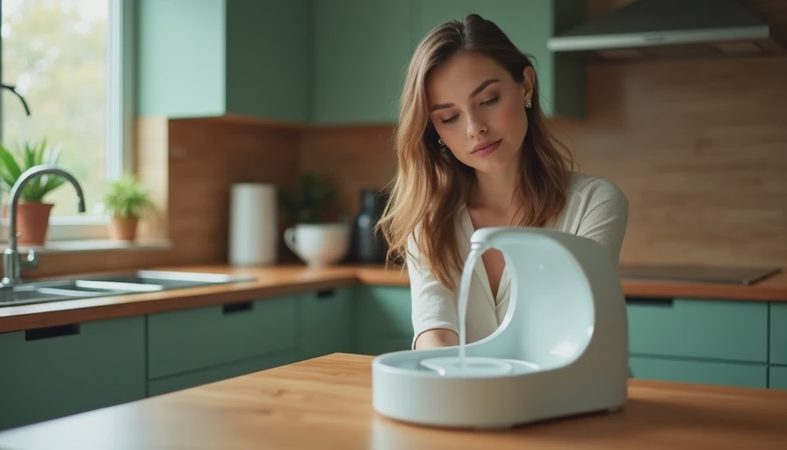
Water fountains have a mixed record. Some cats prefer moving water and drink more. Others ignore the fountain completely and continue using the ceramic bowl. The fountains that last are the ones that are easy to disassemble and clean. Complicated multi-part designs with narrow crevices become science experiments within a month. If a fountain requires more maintenance time than it saves, it gets retired.
Slow-feed or puzzle feeders are useful for the food-motivated cats and for kittens that need mental work. The simple ones made of durable plastic or silicone survive. Elaborate designs with small parts that can be chewed off do not.
Toys: High Failure Rate, Clear Patterns
Most toys have a short career. The ones that earn repurchase are simple and replaceable.
Wand toys with sturdy handles and replaceable attachments get used the most for interactive play. The fabric or feather ends eventually shred; the handle stays. Cheap plastic wands break. Heavier, well-balanced ones last.
Spring toys and small crinkle balls disappear under furniture and occasionally reappear months later still intact. They cost little and provide solo entertainment. I buy them in multiples knowing the loss rate.
Catnip and silvervine toys vary by individual. Some cats are highly responsive. Others show no interest. I treat them as optional rather than essential. When they work, they work. When they do not, they occupy space.
Electronic toys with motors and batteries have the highest disappointment rate. Initial interest is often strong. After a few days many cats treat them as furniture. The ones that require frequent battery changes or have delicate sensors rarely justify the cost in a multi-cat, multi-foster household.
Cardboard and paper remain undefeated for pure engagement-to-cost ratio. They are not ordered from Chewy, but they set the standard the paid toys have to beat.
Scratching Surfaces
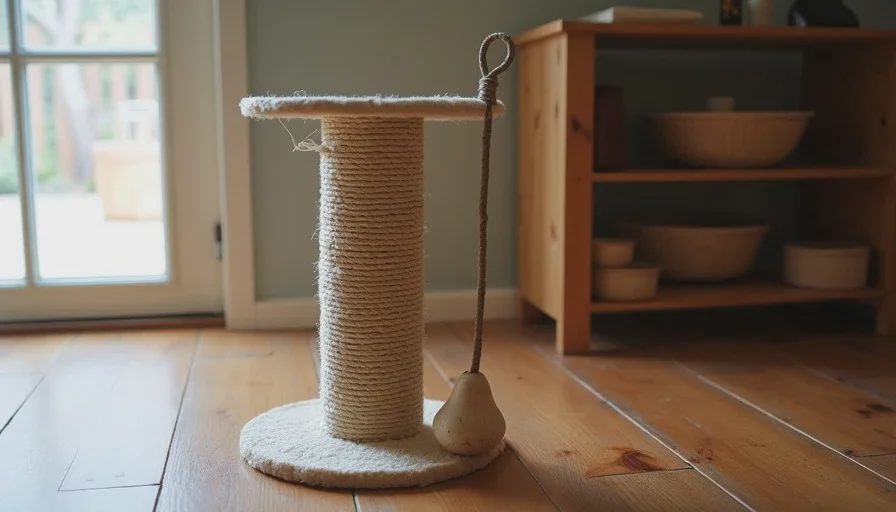
Horizontal and vertical options both get used. Sisal-wrapped posts that are tall and stable enough not to tip under a full stretch are worth the money. Flimsy posts that wobble teach cats to avoid them. Cardboard scratchers are effective and eventually destroyed; I treat them as consumables and replace them when they are shredded past usefulness.
The placement matters more than the brand. A scratcher in the wrong location is ignored regardless of quality. Scratchers near sleeping areas and along common pathways see the most consistent use.
Litter Boxes Themselves
Large, uncovered boxes outperform most covered or top-entry designs in this household. Covered boxes trap odor and can make some cats feel cornered. Top-entry boxes create access problems for older, smaller, or mobility-limited cats. High-sided storage bins with the door cut lower have been more reliable than many purpose-made commercial boxes.
I keep more boxes than cats. The extra capacity reduces competition and gives options when one box is being cleaned or temporarily avoided.
What I No Longer Buy
Self-cleaning litter boxes of the mid-range variety. The maintenance, noise, and selective rejection by certain cats outweighed the scooping time saved.
Heavily scented anything — litter, sprays, bedding. The cats notice the scent more than I do, and not in a positive direction.
Complicated multi-level cat trees that look impressive in photos and leave most of the levels unused. Simpler, sturdier structures with a couple of solid platforms and a high perch get more consistent traffic.
Single-use novelty toys that cannot be repaired or refilled. If the first destruction ends the toy’s life, the cost-per-use is usually too high.
The Filter That Actually Works
After enough volume, the decision process simplifies. Does the cat use it without coercion? Does it survive normal wear without becoming a hazard? Is the ongoing cost (refills, replacements, cleaning time) reasonable for the benefit? If the answer to any of those is no, the product does not stay.
I still experiment. Formulas change, new designs appear, and individual cats have preferences that override general patterns. The difference is that the experiments are smaller and the standard for keeping something is higher. The permanent residents and the steady stream of fosters have been effective quality control.
The goal is not a perfectly optimized, aesthetically pleasing setup. It is a functional one that supports the actual animals living here without requiring constant replacement or negotiation. The products that meet that standard earn their place. The rest become cautionary notes in the order history.
Your cat, your rules. And the receipt is allowed to be honest.
Letters
No letters yet. Yours could be the first.