Case file: three resident cats, more than 40 foster cats, one Portland apartment, and a litter room that briefly smelled like a haunted barn. I bought an expensive enclosed box thinking the lid would solve everything. It did not. The best cat litter box for odor control is not automatically the tallest, fanciest, or most aggressively advertised model. It is the box that gives waste enough space, ventilation, and easy daily cleaning while your cat still feels safe using it.
That last part matters. A box can contain smells beautifully and still fail because your cat refuses to enter it. I learned this with Nori, who treated a top-entry box like a personal insult. Miso, meanwhile, would use almost anything, including a cardboard shipping box during a foster emergency. Their opinions were not identical, so my testing became less about finding one magical product and more about matching the box to the household.
What makes a litter box control odor?
Odor control begins with removing waste, not hiding it. A box with a tight lid can trap some smell temporarily, but every opening releases a concentrated blast if urine-soaked litter sits underneath. The best cat litter box for odor control should have enough floor area for a cat to turn around comfortably and enough depth for a generous layer of litter, usually around 3 to 4 inches for clumping litter.
High sides help with urine spray and kicked litter, especially for large cats or enthusiastic diggers. A wide entry helps senior cats, kittens, and cats with stiff joints. Ventilation is also useful because a completely sealed container can hold moisture, which makes litter clump poorly and smell sour. Look for smooth interior surfaces without deep seams where residue can collect.
Placement does half the work. Put the box in a quiet, ventilated area that is easy for you to reach but not so isolated that a nervous cat feels cornered. I avoid closets with closed doors, laundry rooms beside vibrating machines, and narrow bathrooms where another cat can block the exit.
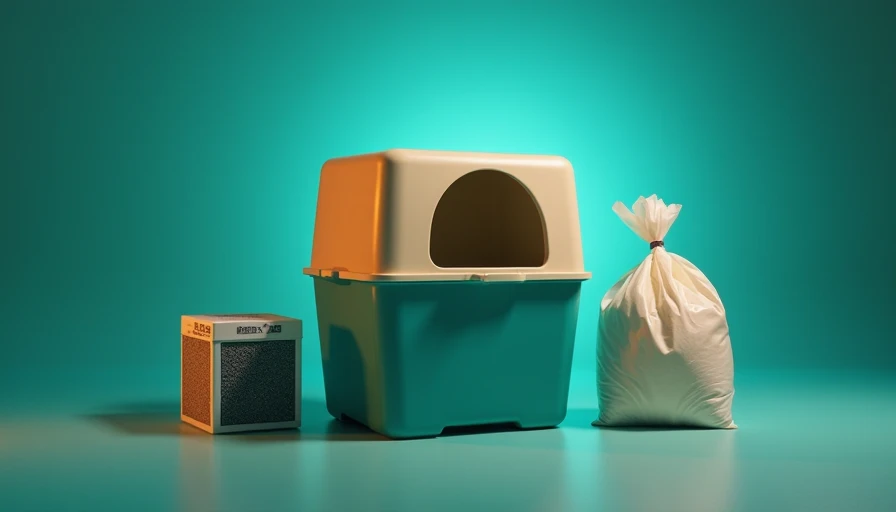
The models and setups I would actually consider
For most homes, a large open box with high sides is the dependable starting point. The Nature's Miracle High-Sided Litter Box is inexpensive, lightweight, and easy to scrub, although its plastic can eventually hold odor if it becomes scratched. A large storage tote with a doorway cut into one end can provide more room for roughly $10 to $20, but sand the edge carefully and make sure the plastic is sturdy.
The best cat litter box for odor control in a multi-cat home may be a stainless steel model. Stainless steel does not absorb odor the way worn plastic can, and the slick surface rinses clean. Brands such as iPrimio sell oversized stainless steel pans, commonly priced around $45 to $80. They cost more upfront, but replacing a permanently smelly plastic box every year can cost more over time.
Covered boxes are useful when a cat sprays or flings litter, but I treat them as a specific tool rather than the universal answer. The IRIS Top Entry box worked for one confident foster who loved privacy and failed spectacularly with a timid kitten. If you use a covered design, remove the flap at first, check that the opening is large enough, and watch for signs your cat is hesitating or eliminating elsewhere.
Automatic boxes can reduce scooping, but they are not odor-proof and require maintenance. The Litter-Robot 4, for example, can be convenient in a busy multi-cat household, yet it is a significant purchase and still needs its waste drawer emptied, sensors cleaned, and litter topped up. A machine is a routine helper, not permission to ignore the bathroom.
I spent $X so you do not have to
My expensive mistake was a roughly $200 enclosed box that looked beautiful in the product photos. In real life, the entrance was too small for one foster, the interior was awkward to scrape, and the lid turned a manageable smell into a dramatic event when opened. I kept it for less than a month before replacing it with a $24 high-sided pan. That cheaper box performed better because I could scoop it completely in under two minutes.
If I were starting again, I would spend $25 to $35 on a large open pan, $15 to $25 on a metal scoop with a narrow edge, and another $10 on a washable mat. For a cat who sprays, I would choose a $40 to $80 stainless steel pan before buying a sealed designer box. The best cat litter box for odor control is often the one you can clean thoroughly without muttering at it.
Do not overlook the liner. Disposable liners can make dumping easier, but claws may shred them and create hidden pockets of urine. I prefer no liner, unscented clumping litter, and a box that can be washed with mild dish soap and fully dried. Skip bleach mixtures and strong fragrances; fumes and perfume can make a cat avoid the box.

The cleaning routine matters more than the logo
Scoop urine clumps and stool at least once daily. With three cats, I scoop morning and evening because the difference is obvious by bedtime. Emptying the box completely every two to four weeks keeps the base from developing a film, though heavily used boxes may need more frequent changes. Wash with warm water and mild unscented soap, rinse well, and dry before adding fresh litter.
Use enough boxes, too. The familiar guideline is one box per cat plus one extra, placed in separate locations rather than lined up together. Three cats sharing one box create a concentrated waste problem, even if the box itself is excellent. Separate boxes also reduce ambushes and help you notice when one cat suddenly changes bathroom habits.
A charcoal filter can reduce airborne odor in some covered boxes, but it cannot compensate for missed scooping. Baking soda mixed lightly into litter is often tolerated, but I would not use scented crystals, deodorizing powders, or essential oils without veterinary guidance. A cat's nose is far more sensitive than ours.
How to choose for your particular cat
For a kitten, choose a low entrance and shallow litter depth, then upgrade the size as the kitten grows. For a senior or arthritic cat, use a low front with higher rear walls. For a large cat, measure the interior rather than trusting labels such as jumbo. Your cat should be able to turn around without pressing against the sides.
For a shy cat, an open box with two escape directions is usually safer than a dark covered box. For a messy digger, high-sided plastic or stainless steel helps. For a household with frequent fosters, inexpensive open pans are practical because they are easy to disinfect and replace between arrivals. This is where the best cat litter box for odor control becomes a household decision, not a universal ranking.
If odor appears suddenly despite normal cleaning, look beyond the box. Diarrhea, unusually strong urine, frequent trips, straining, or accidents can signal a medical problem. Straining or producing little urine, especially in a male cat, warrants prompt veterinary attention. No litter product should be used to mask a health change.
My practical pick
For most cat guardians, I would choose a large, open, high-sided box made from smooth plastic, then upgrade to stainless steel if the plastic becomes scratched or permanently smelly. Keep it in a calm location, use unscented clumping litter, scoop twice daily in busy homes, and provide enough boxes for the number of cats. That setup beat my $200 experiment and survived far more foster chaos.
If privacy is genuinely useful for your cat, add a covered model only after confirming the cat already uses an open box reliably. The best cat litter box for odor control is the one your cat enters willingly and you clean consistently. Spend less on gimmicks, more on usable floor space, and keep a spare pan for emergencies. Your cat, your rules.


Letters
No letters yet. Yours could be the first.