The first item I reviewed was a $200 automatic litter box that turned into an expensive cat sandbox. Dumpling used it as a nap pod, Nori feared the motor, and Miso treated the clean litter compartment like a personal excavation site. That experience shaped how I approach pet product reviews: a product is not “good” because it has five stars and a handsome product photo. It has to survive actual cats, actual cleaning, and the occasional foster kitten who believes every cord is a snack.
I have fostered more than 40 cats over eight years, alongside my three permanent chaos agents. I am not a veterinarian, behaviorist, or person with a spotless apartment. I am a cat guardian who has spent too much money learning which products solve problems and which ones simply photograph well. These pet product reviews focus on fit, durability, setup, cleaning, and whether a cat will use the thing after the novelty wears off.
What I Look For Before Calling a Product Worthwhile
My first test is simple: does the product address a real cat problem? A heated bed that costs $45 is not useful if it takes up half the room and every cat chooses the laundry basket. A $12 cardboard scratcher can be an excellent purchase if it redirects claws from the sofa for six months.
I also look at the boring details that marketing pages tend to hide. Can I wash the cover? Are replacement filters easy to find? Does the feeder jam when kibble is slightly oily? Is the toy safe to leave out, or does it need supervision? For foster homes, I pay special attention to disinfecting. A beautiful fabric tunnel is less appealing when ringworm or stomach bugs are moving through the spare room.
Cost matters, but price alone does not decide the result. I would rather spend $30 on a sturdy stainless-steel water fountain than replace a $15 plastic one every few months. On the other hand, I will happily recommend a $6 wand toy when it performs as well as a $25 electronic gadget. The best pet product reviews should tell you where to save and where buying cheap creates more work.

I Spent $X So You Don't Have To: Litter and Feeding Gear
Litter products are where cat guardians can lose a frightening amount of money while trying to prevent one pee spot. I tested a popular automatic box because I was tired of scooping for three cats and occasional fosters. It was quiet enough, but the app was fussy, the waste drawer filled quickly, and one foster refused to use it. After two months, I returned to a large open box with unscented clumping litter and a $9 litter mat. The glamorous solution lost to the washable plastic rectangle.
My current setup uses multiple open boxes, a metal scoop, and litter liners only during medical isolation. Liners sound convenient, but several cats shredded them, turning cleanup into a confetti event. For most households, a box with high sides, a wide entrance, and enough room to turn around beats a complicated design. If your cat suddenly avoids the box, treat that as a health or stress signal and contact a veterinarian rather than buying a fourth box style.
Feeding products are more individual than I expected. A timed feeder helped Miso stop waking me at 4:30 a.m., but it was useless for Nori, who learned to slap the lid until it opened. Stainless-steel or ceramic dishes are easier to clean than porous plastic, and shallow plates work better for cats who dislike their whiskers touching the sides. For wet food, a small covered container and a washable silicone mat have saved more floors than any luxury feeding station.
Toys, Scratchers, and Enrichment That Earn Their Floor Space
Cats do not read the packaging. A toy labeled “interactive” might be ignored for weeks, while a crumpled receipt becomes the household treasure. My pet product reviews always include a boredom test: does the item create movement, scent, hiding, climbing, or a problem the cat can solve?
A $10 wand with replaceable attachments has outperformed several rechargeable toys in my apartment. I use it for short hunting sessions, then let the cat catch the toy so the game does not end in frustration. Puzzle feeders can help food-motivated cats, but start with an easy setting. One foster flipped a difficult feeder upside down and ate the entire ration from the floor. Technically, she solved it. Emotionally, I lost.
For scratching, texture and location matter more than branding. Dumpling prefers a horizontal cardboard scratcher beside the couch. Miso wants a tall sisal post that does not wobble. Nori ignores both and scratches a cheap woven basket. Put the scratching surface near where the cat already scratches, not in the corner where you hope it will look attractive. Replacement cardboard inserts are often a better value than replacing a whole tower.

Calming Products, Beds, and the Great Cat Preference Lottery
Calming products deserve especially honest pet product reviews because stressed guardians are easy targets. A pheromone diffuser helped one of my foster cats settle after moving into the guest room, but it did nothing visible for another. I consider it a reasonable short-term tool, not a substitute for slow introductions, hiding spaces, predictable meals, or veterinary advice when behavior changes suddenly.
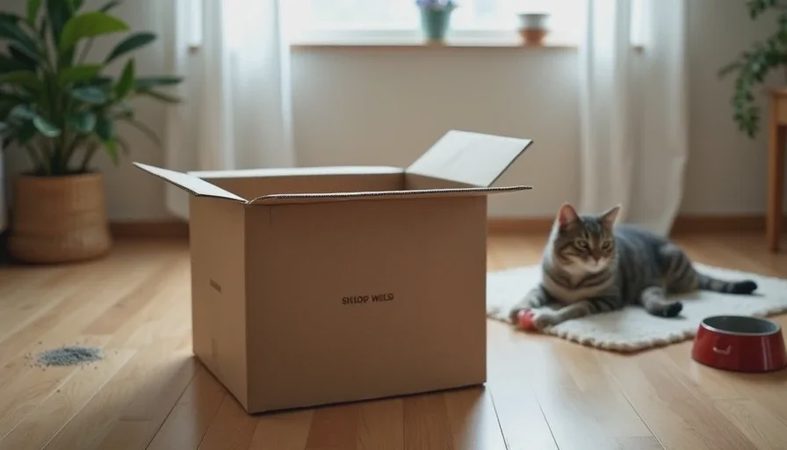
Beds are another category where cats expose our optimism. I have bought cave beds, orthopedic cushions, window hammocks, and a ridiculous donut bed that cost $38. The winner was a fleece blanket folded inside a cardboard box. Still, a washable bed can be worthwhile for seniors or cats recovering from illness. Look for low entrances, removable covers, and fabric that can handle hot-water washing when appropriate.
Product safety comes before convenience. Avoid loose strings, small detachable parts, exposed heating elements, and toys that can be swallowed. Inspect wand toys before every session and put them away afterward. If a product requires a cat to wear something, introduce it gradually and stop if the animal shows distress. Your cat is not failing a product test because it refuses to wear a bow tie.
How to Use Pet Product Reviews Without Buying Everything
Start with the problem, then set a budget. If a new kitten is climbing the curtains, spend $25 on a stable scratching post and daily play before spending $150 on a smart activity center. If a senior cat is struggling to reach a high-sided box, try a low-entry pan and a veterinary check rather than assuming the issue is stubbornness.
Read pet product reviews for recurring details, not just star ratings. Ten people mentioning a noisy motor matters more than one perfect unboxing photo. Search for cleaning instructions, replacement-part costs, dimensions, and return policies. Measure your available space before ordering a tower, fountain, or litter cabinet. My apartment has taught me that “compact” can still mean “larger than the table I own.”
For foster homes, keep a simple product log. Record the item, price, cat response, cleaning time, and failure point. This prevents buying the same useless tunnel for every intake and helps identify patterns. A shy cat may need covered hiding places, while a bold adolescent needs vertical space and supervised play. The label on the box cannot make that decision for you.
The most useful pet product reviews should leave you with a plan, not a shopping panic. Buy one practical item, test it for a reasonable period, and watch the cat rather than the advertisement. Sometimes the right answer is a well-designed product. Sometimes it is a cardboard box, a washable blanket, and five minutes of attention. Your cat, your rules.

Letters
No letters yet. Yours could be the first.