Case file: Nori, adult Devon Rex, formerly terrified of doors, diagnosed with a personal vendetta against every carrier I owned. On one memorable trip to the vet, she wedged herself behind the toilet, screamed through the loading process, and then managed to unzip a soft carrier before we reached the end of the driveway. That experience taught me why finding the best cat carrier for car travel is not about choosing the cutest pattern. It is about containment, ventilation, a stable base, and a design you can actually use while a cat becomes liquid.
After eight years and more than 40 foster cats, I have loaded tiny kittens, enormous orange boys, seniors with arthritis, and one feral-ish mother who considered my hands a seasonal snack. The right carrier will not make every cat thrilled about a road trip. Nothing short of black magic does that. It can make the trip safer, faster, and dramatically less chaotic.
What makes the best cat carrier for car travel?
Start with size. Your cat should be able to stand, turn around, and lie down comfortably, but the carrier should not be so large that they slide across it during a sharp turn. Measure your cat from nose to the base of the tail, then add several inches. Measure height from the floor to the top of the head or ears. A carrier around 19 by 12 by 12 inches works for many average adult cats, while a Maine Coon, chunky senior, or bonded pair needs a larger model or separate carriers.
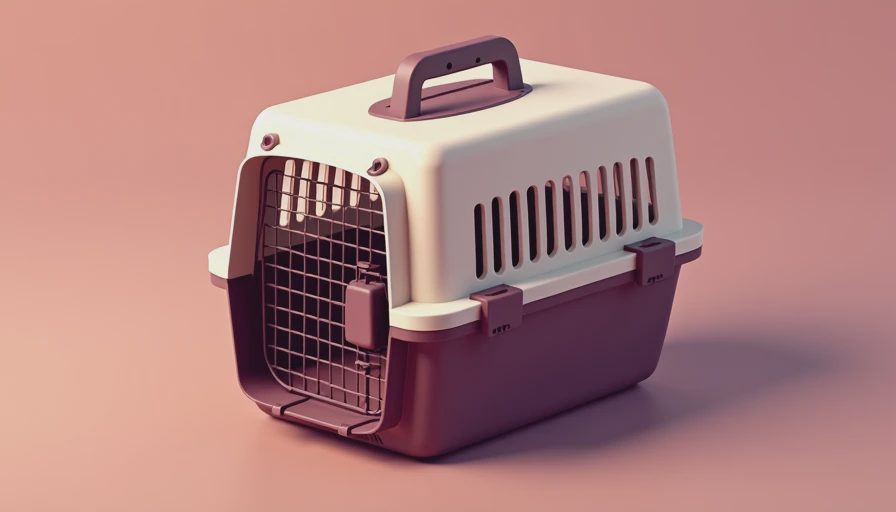
For most car trips, I prefer a sturdy hard-sided carrier with a metal door and a top that opens. The top opening matters when your cat arrives at the clinic in full panic mode. A vet can remove the top half instead of dragging a frightened animal through a narrow front door. The Petmate Two-Door Top Load carrier often sells for roughly $35 to $55 and is a practical starting point. It is not glamorous. It is washable, familiar, and less likely to collapse when a cat pushes against the sides.
Ventilation should appear on several sides, not just the front. Look for smooth interior surfaces, secure latches, and a door that cannot be opened by one determined paw. I learned that last detail after a foster kitten treated a flimsy plastic latch like an escape-room puzzle.

Hard-sided versus soft-sided carriers
Soft carriers are convenient for apartment stairs, public transit, and cats who tolerate gentle handling. The Sherpa Original Deluxe is widely available, usually around $50 to $75, and has useful pockets and a flexible shape. I like soft carriers for short, controlled trips with calm cats. I do not make them my default for a cat who bites, claws, or has a history of escaping.
Hard-sided carriers clean up better after motion sickness, diarrhea, or the inevitable accident nobody wants to discuss over breakfast. You can remove the bedding, disinfect the plastic, and let it dry without worrying about a soaked fabric base. A model with a removable top also helps with examinations and fearful cats.
Some premium options, such as the Sleepypod Atom or Sleepypod Mobile Pet Bed, cost substantially more, often in the $200 to $300 range. Their appeal is polished construction and vehicle-oriented design, but a higher price does not automatically mean your particular cat will cooperate. Nori hated the expensive carrier and accepted a basic plastic one after I left it open in the living room for two weeks. Your cat, your rules.
How to secure a carrier in the car
The best cat carrier for car travel is useless if it is sliding around the back seat. Before putting your cat inside, choose the most stable location. Many standard carriers sit securely on the vehicle floor behind a front seat, where they are less exposed to sudden movement. If you place a carrier on a seat, follow the carrier manufacturer’s instructions for using a seat belt. Do not improvise by crushing a soft carrier under a belt or wrapping a belt around a plastic shell that was not designed for that purpose.
Never open the carrier in a parking lot, at a gas station, or beside a busy road. A terrified cat can vanish through a gap in seconds. Keep doors and windows closed before removing the cat. For longer trips, secure the carrier first, then check that the door latch is fully engaged and every zipper pull is joined. A small luggage clip can add backup protection to compatible zipper pulls, but it is not a substitute for a properly closed carrier.
Temperature matters too. Cars heat and cool quickly, so do not leave a cat unattended in the vehicle. Keep direct sun off the carrier, maintain comfortable airflow, and avoid placing it directly beside a blasting vent.
Make the carrier less terrifying before departure
The best cat carrier for car travel should live in your home before the appointment. Put it in a quiet room with the door open. Add a towel that smells like home, toss in a few treats, and let your cat investigate without being shoved inside. For a kitten, leave the carrier available during play sessions. For an adult who already hates it, start with the carrier several feet away and move it closer over several days.
Do not wait until the appointment reminder pops up to begin. That is how I ended up sweating beside the bathtub while Dumpling performed an Olympic-level reverse crawl. If you need to leave today, place the carrier in a small room with few hiding places, close the door, and move slowly. A towel can help gently wrap a struggling cat, but never cover the face or restrict breathing.
Sprays marketed as feline pheromone products are optional tools, not magic. I have found that familiar bedding and a calm handling routine matter more than spraying half a bottle into a carrier five minutes before departure. If your cat has severe travel anxiety, ask a veterinarian about appropriate medication well before the trip. Never give human medication or a leftover prescription without veterinary direction.
My practical carrier checklist
Before buying, check the carrier against the actual problems you have had. Can you clean it after an accident? Can you lift it without the door flexing? Does the bottom stay level when carried? Are the ventilation openings large enough for comfortable airflow but too small for paws to reach latches? Can your cat enter from the top, especially if the animal is elderly, injured, or frightened?
For a single average-sized cat, a solid top-load plastic carrier in the $35 to $60 range is usually the sensible purchase. Add a washable towel, an absorbent puppy pad underneath it, and a spare towel in the car. For a large cat, measure rather than guessing. For two cats, use two carriers unless a veterinarian specifically recommends another arrangement; separate containment is safer during stressful travel and lets each animal have enough room.
I spent about $48 on the basic carrier that finally worked for Nori, after wasting nearly $200 on designs that looked beautiful in product photos but failed in real life. The lesson was annoyingly simple: buy for the cat in front of you, not for the imaginary cooperative cat on the package.
A calmer travel routine from driveway to clinic
The best cat carrier for car travel is part of a routine, not a single purchase. The night before, set out the carrier, towel, records, medication if prescribed, and a small cleanup kit. On departure morning, keep the cat in a closed room while people carry bags outside. Load the carrier last so it spends less time waiting in a noisy car.
Drive smoothly, keep the music low, and speak normally. Avoid opening the carrier to comfort a crying cat; an escape in traffic is far more dangerous than a complaint from the back seat. For a long trip, plan secure stops and bring water, food, waste supplies, and a second towel. Ask your veterinarian how often your cat should be checked, particularly if the cat is very young, elderly, ill, or traveling in unusual weather.
When you return home, place the carrier somewhere accessible and leave the door open. A few treats inside can prevent it from becoming the dreaded box that appears only before injections. After years of foster transport, my favorite carrier is still the one I can clean, latch, lift, and secure without a wrestling match. That is the real best cat carrier for car travel: the one that fits your cat, your vehicle, and your very specific household chaos.
Your cat, your rules.


Letters
No letters yet. Yours could be the first.