The case file: one round cat, one very guilty human
The first time I tried to help a cat lose weight, I made the classic mistake: I bought a food with “light” printed across the label and assumed the problem was solved. The cat, naturally, treated the reduced portion like a personal betrayal and screamed beside the refrigerator for three straight nights. That experience taught me why choosing the best wet cat food for weight loss is only part of the job. Calories, portions, treats, activity, and medical history all matter.
A safe weight-loss plan starts with your veterinarian. Extra pounds can worsen arthritis, diabetes risk, grooming trouble, and breathing problems, while a cat that stops eating can develop a dangerous liver condition called hepatic lipidosis. Your vet can estimate an appropriate target weight and calorie budget. Do not slash food suddenly or force a dramatic diet because an internet chart says your cat looks “chunky.” Cats are individuals, and your cat, your rules.
For many cats, wet food is a useful tool because it contains substantial moisture and can provide a satisfying portion for fewer calories than some dry-food routines. It also gives you a chance to measure exactly what goes into the bowl instead of refilling a free-feeder and hoping for the best.
What makes wet food useful for weight loss?
The best wet cat food for weight loss is not automatically the one with the prettiest packaging or the word “natural” in giant letters. Start with a food labeled complete and balanced for your cat’s life stage. That statement means the recipe is intended to provide required nutrients when fed as directed. A complementary topper or broth-heavy snack is not a complete diet.
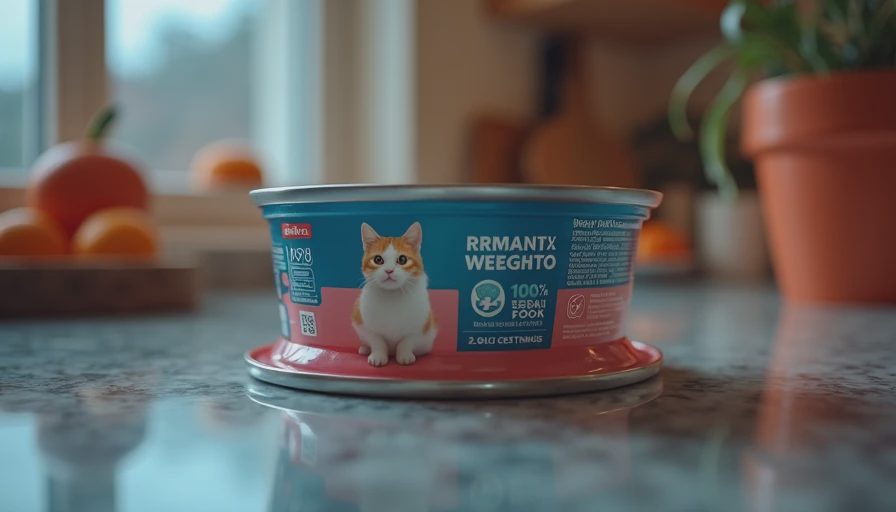
Next, look for calorie information. Some cans list calories per can, while others list calories per ounce. Those numbers are more useful than vague promises about metabolism. A three-ounce can with 85 calories behaves very differently from a five-and-a-half-ounce can with 210 calories, even if both cans look like ordinary dinner.
Pate, minced, and chunks in gravy can all work. Pate is often easy to portion and may have a simple ingredient profile, while gravy formulas can make a meal feel larger and more exciting. The best wet cat food for weight loss is the one your cat will eat consistently, provides complete nutrition, and fits the calorie plan your veterinarian gives you.
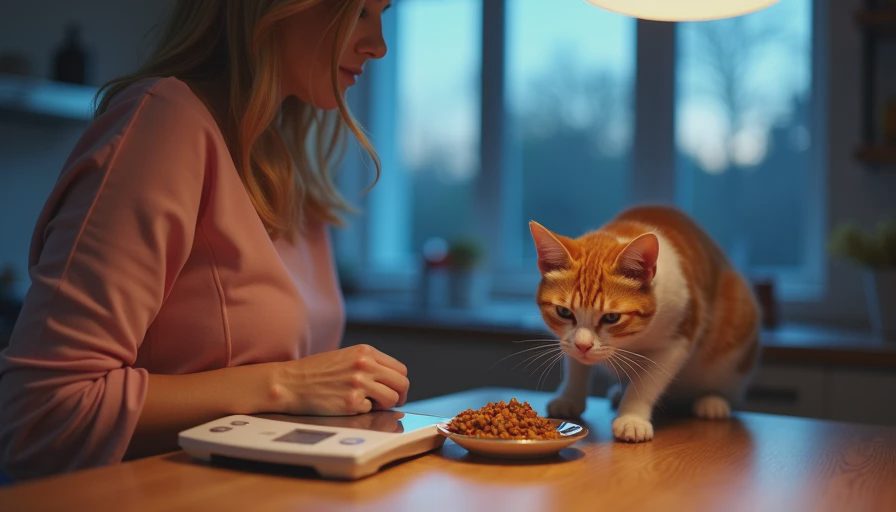
I spent more than I needed to during my early foster years buying “premium” cans that became expensive furniture decoration. One foster would eat the gravy and leave the meat; another accepted only pate warmed for six seconds. A $2 can that gets eaten is more useful than a $4 can that dries into a countertop fossil.
Reading the label without losing your mind
When comparing options, write down the calories per can, can size, protein source, and feeding directions. Hill’s Science Diet Adult Perfect Weight wet formulas are designed specifically around weight management, and veterinary diets such as Hill’s Prescription Diet Metabolic or Royal Canin Satiety Support can be appropriate when a veterinarian recommends them. Purina Pro Plan also offers wet formulas that some households use in structured feeding plans. These foods are not magic; they simply make calorie control and nutritional consistency easier.
Fancy Feast Classic Pate and similar mainstream pate foods can sometimes fit a weight-loss budget because certain varieties provide moderate calories in a small can. The recipe and calorie count differ by flavor, so check the label rather than assuming every seafood or poultry variety is interchangeable. If a food has no clear calorie information, call the manufacturer or choose a product with better labeling.
Protein matters, but “more protein” alone does not guarantee weight loss. Fat is calorie-dense, and some rich foods can use a large share of a cat’s daily calories in a small serving. Look at the whole formula and the portion. A food with a reasonable protein level, adequate moisture, and measured calories is usually more practical than chasing one trendy ingredient.
Portion control is where the real results happen
Even the best wet cat food for weight loss will fail if the bowl stays full all day. Ask your veterinarian for a starting daily calorie amount, then divide it into two or three meals. A kitchen scale is helpful when a can must be split between cats or meals. If a 5.5-ounce can contains 180 calories and your cat is assigned 180 calories daily, that is the whole can, not the whole can plus a handful of treats.
In a multi-cat home, feed behind closed doors or use a microchip feeder. My cat Miso can identify the sound of another cat opening a pouch from two rooms away, and she considers that invitation to commit breakfast fraud. Feeding separately also lets you track appetite, vomiting, stool changes, and actual intake.
Treats count. If your cat gets treats, reserve roughly 10 percent of the daily calorie budget for them, then subtract those calories from meals. Tiny pieces of the regular food can work better than adding a mystery snack. Never make a weight-loss cat go hungry to compensate for yesterday’s treat avalanche; adjust the plan calmly.
Making the transition less dramatic
Cats often reject sudden food changes, especially after years on one texture. Start by mixing a small amount of the new food with the familiar food, then increase it gradually over about a week if your cat tolerates it. For a texture-sensitive cat, transition texture first and calories second. A pate lover may not accept chunky food, no matter how responsible the label sounds.
Serve meals at room temperature or gently warmed, never hot. A little warm water can increase volume and aroma, but do not dilute a complete diet so much that the cat cannot finish the nutrients and calories prescribed. Wash bowls regularly, and remove uneaten wet food after a reasonable period rather than letting it sit until it becomes a science project.
Weigh your cat every two to four weeks using the same scale and similar conditions. Gradual progress is safer than a dramatic drop. If your cat refuses food for a day, is vomiting repeatedly, becomes lethargic, or loses weight unexpectedly, contact the veterinarian promptly.
A realistic shopping and feeding plan
For a budget-conscious routine, compare calories per dollar rather than can price alone. Buy a small number of cans first, especially if your cat is famous for rejecting food after one enthusiastic sniff. Keep one accepted backup formula in the pantry, but avoid changing several variables at once. If you introduce a new food, keep treats and meal timing steady so you can tell what caused a problem.
The best wet cat food for weight loss should leave room for normal cat life: a lickable treat during nail trims, a puzzle feeder, and the occasional meal that does not end in a hunger strike. Add movement with short wand-toy sessions, climbing access, or a few minutes of chase before dinner. Exercise helps, but it cannot outrun unlimited calories.
Your final choice might be a veterinary weight-management formula, a mainstream complete pate, or a regular wet food with carefully measured portions. The right answer depends on medical needs, calories, price, texture, and whether your actual cat eats it. A food plan that fits your household is far more successful than an ideal plan nobody can maintain.
The bottom line for your cat
Choosing the best wet cat food for weight loss means checking complete-and-balanced status, calories, texture, cost, and your cat’s medical needs. Use the vet’s calorie target, measure every portion, count treats, and monitor weight instead of relying on eyeballing.
I have watched foster cats turn their noses up at expensive formulas, then happily eat a modest pate served on schedule. There is no prize for buying the fanciest label. There is a prize, though: easier grooming, better movement, and a cat who can jump onto the couch without sounding like a tiny accordion.
Start with one suitable food, one measured plan, and one patient week. Adjust based on appetite and progress, not guilt. Your cat, your rules.



Letters
No letters yet. Yours could be the first.