Intake notes: Dumpling, estimated age two, 13 pounds, calico, excellent health, absolutely convinced gravity is a personal insult. My first attempt at finding the best cat tree for large cats ended with a $119 tower leaning against the bookcase while Dumpling sat on top of it, thrilled. I had followed the product photos, ignored the tiny base, and learned the expensive way that “holds multiple cats” does not mean “handles one determined bowling ball.”
A big cat needs more than extra carpet and a tall pole. The structure has to stay planted when a cat launches onto it, the platforms need enough surface area for a full-body sprawl, and the scratching posts must be tall enough for a real stretch. After eight years, 40-plus foster cats, and an embarrassing number of furniture receipts, these are the details I now check first.
What makes a cat tree suitable for a large cat
Start with the base. A wide, heavy base is more important than a dramatic ceiling height. For a cat around 12 to 18 pounds, I look for a footprint roughly 24 inches wide or larger, depending on the tower design. A narrow base with a tall top platform creates the same problem as a skinny bar stool: it may stand still until the first enthusiastic jump.
The best cat tree for large cats usually has thick support posts, sturdy hardware, and platforms that extend beyond the central pole instead of hanging off one side. Look for posts around 3.5 inches in diameter or more, especially if your cat uses them for launching rather than polite climbing. A platform should allow the cat to turn around without sliding half off the edge. For a broad Maine Coon mix, that can mean a perch at least 18 by 18 inches.
Height is useful, but it is not automatically better. A 72-inch tower can be wonderful in a room with secure construction and plenty of floor space. In a small apartment, a 40- to 55-inch tower with a deep base may be safer and more useful. Your cat, your rules; the room still gets a vote.
The features I would pay for again
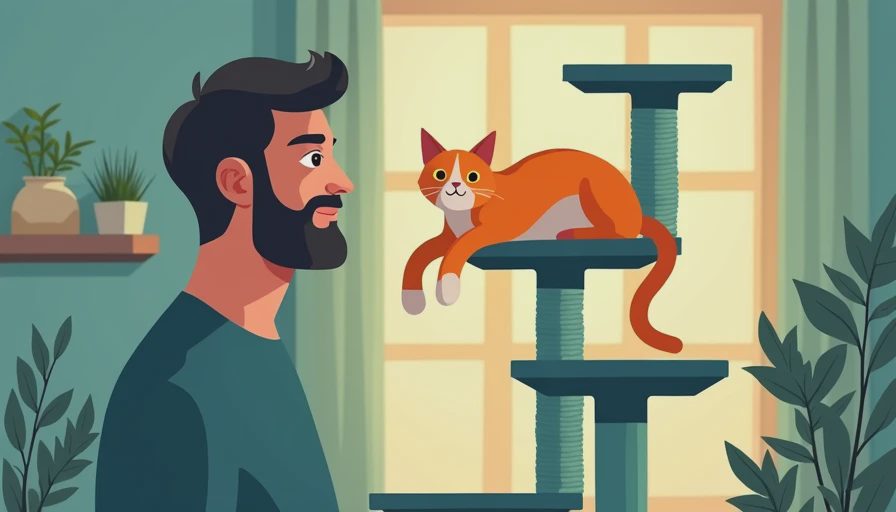
The best cat tree for large cats should have at least one proper lounging platform, one enclosed retreat, and a scratching area that lets the cat stand fully upright. A hammock can be a nice bonus, but I would never count it as the main bed. Many hammocks look generous in listing photos and become a fabric taco under a 15-pound cat.
For scratching, vertical posts should be tall enough for a shoulder-to-paw stretch. Sisal rope usually lasts longer than thin carpet, though even good sisal eventually gets fuzzy. Replaceable post sections are worth considering because one favorite scratching column can be destroyed while the rest of the tower remains perfectly usable.
I also like platforms with a raised lip or washable cushion. That edge gives a sleeping cat something to lean against and makes it harder for a startled jumper to slide off. Removable covers are especially helpful with fosters, hairball season, and the mysterious brown smudge that appears on every pale cushion in my home.
Three designs that make sense in real homes
A traditional multi-level tower works well for cats who love height and active climbing. Choose one with staggered platforms, not a single vertical ladder. Staggering lets a heavy cat climb without making every jump a long, high-impact landing. It also gives cats in a multi-cat home ways to pass each other without turning the tower into a toll booth.
A low, wide condo is often the better choice for senior cats, nervous cats, and homes with limited ceiling clearance. These models may be only 30 to 45 inches tall, but they can offer larger beds, broader ramps, and more stability. My senior foster cats preferred this style because they could reach the top without committing to an Olympic event.
A modular wall-mounted system can save floor space, but installation is not casual. Anchors must go into appropriate structural support, and every connection needs checking. I would not mount a heavy cat shelf into drywall alone and hope for the best. If you rent, a freestanding tower is usually the less stressful option.
I spent $X so you do not have to
The first tower I bought cost $119. It had a 19-inch base, two tiny platforms, and a plush top bed that looked like it belonged to a kitten. Dumpling could sit in it, technically, but one jump made the whole thing wobble. I returned it after a week and spent $179 on a Frisco-style floor-to-ceiling tower with a wider footprint and thicker posts. The difference was immediate: no rocking, no anxious human hovering, and no tower wedged against my vintage glassware shelf.
That experience shaped my budget. Around $70 to $110, you can find compact towers, but large-cat stability is inconsistent. Around $130 to $220, there are usually better bases, stronger posts, and larger beds. Above $250, you are often paying for design, solid wood, custom finishes, or modular features. Those can be worthwhile, but a beautiful tower is still a bad purchase if the sleeping platform is too small.
The best cat tree for large cats is not necessarily the most expensive one. Spend money on structure first, then replaceable parts and washable materials. Decorative dangling toys are last on my list; Dumpling has removed most of them within 48 hours anyway.
How to inspect one before your cat uses it
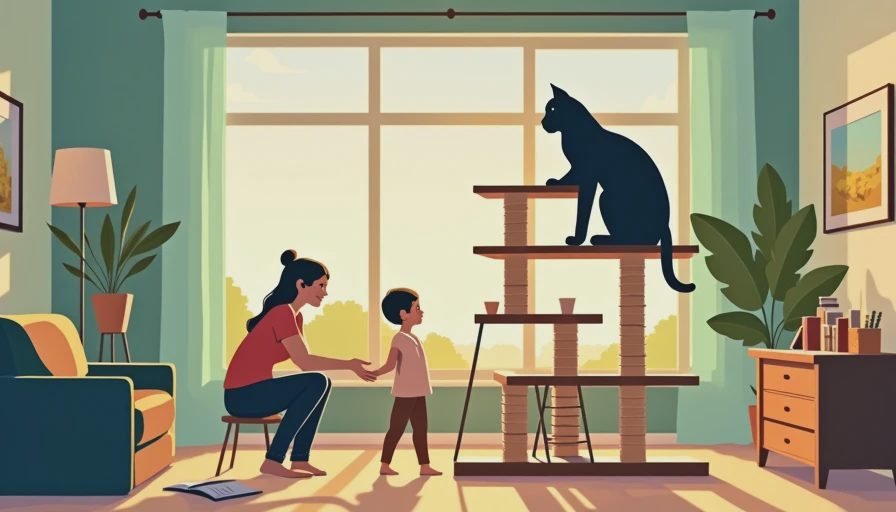
Assemble the tree on a level floor and tighten every connector by hand before using tools. Then check whether the base rocks when you press down on each corner. A tiny wobble during assembly can become a dramatic tilt once a cat accelerates up the side.
Measure the top beds and compare those dimensions with your cat curled up asleep. Do not measure only from nose to tail; add room for turning, stretching, and the occasional sprawled “I pay the mortgage here” pose. Check the material around every corner for exposed staples, sharp hardware, loose rope, or dangling elastic. Remove toy attachments if your cat chews fabric or string.
For a household with several cats, place the tree where it does not block a doorway or force one cat into a corner. Add a separate scratcher or low bed nearby so the tower is enrichment, not the only valuable real estate. The best cat tree for large cats should improve traffic flow, not create a furry traffic dispute.
Final buying checklist
Before ordering, confirm the assembled height, base dimensions, platform measurements, weight rating if the manufacturer provides one, and return policy. Read customer photos more carefully than polished studio pictures. Look for sagging hammocks, cracked particleboard, stripped screws, and comments about wobbling after assembly.
If your cat is elderly, recovering from an injury, or hesitant with heights, prioritize ramps and low steps. If your cat is an energetic climber, prioritize a wide base and staggered levels. If your cat ignores every tower you buy, place it near a window, add familiar bedding, and rub a little catnip on the scratching post rather than forcing an introduction. Some cats need a week to decide that new furniture is not an ambush.
The best cat tree for large cats gives a big body room to climb, scratch, sleep, and change positions without making the room feel dangerous. Buy for your actual cat, not the photogenic kitten in the listing. And if the first choice fails, welcome to the club. I have returned enough cat furniture to furnish a small waiting room. Your cat, your rules.


Letters
No letters yet. Yours could be the first.