Case file: Miso, orange tabby, approximately one year old, former malnutrition survivor, professional carpet vandal. During his first spring in my apartment, he produced three hairballs in one week and deposited two of them beside my pillow. The third landed on a vintage glass bowl I paid $18 for at an estate sale. That was the moment I started researching the best cat food for hairballs instead of simply whispering, “Please stop,” at 2 a.m.
The useful answer is less exciting than the marketing. A food cannot magically prevent every hairball, and repeated vomiting is not automatically a grooming problem. However, a complete and balanced diet with appropriate fiber, adequate moisture, and calories your cat tolerates can support normal movement of swallowed hair through the digestive tract. Brushing still matters. Veterinary advice matters more.
What the best cat food for hairballs should contain
The best cat food for hairballs usually includes a blend of dietary fibers rather than one mysterious miracle ingredient. Soluble fibers can help support stool quality, while insoluble fibers add bulk. Some hairball formulas use cellulose, beet pulp, psyllium, or plant fibers. The label will not always explain the exact purpose of every fiber, but the guaranteed analysis and ingredient list give you useful clues.
Look for an AAFCO nutritional adequacy statement appropriate for your cat’s life stage. If your cat is a kitten, senior, overweight, or managing kidney disease, a general hairball formula may not be the right choice. Protein quality, calorie density, and hydration still matter. I would rather feed a nutritionally appropriate food that my cat eats consistently than buy an expensive “hairball” bag that sits untouched like a decorative throw pillow.
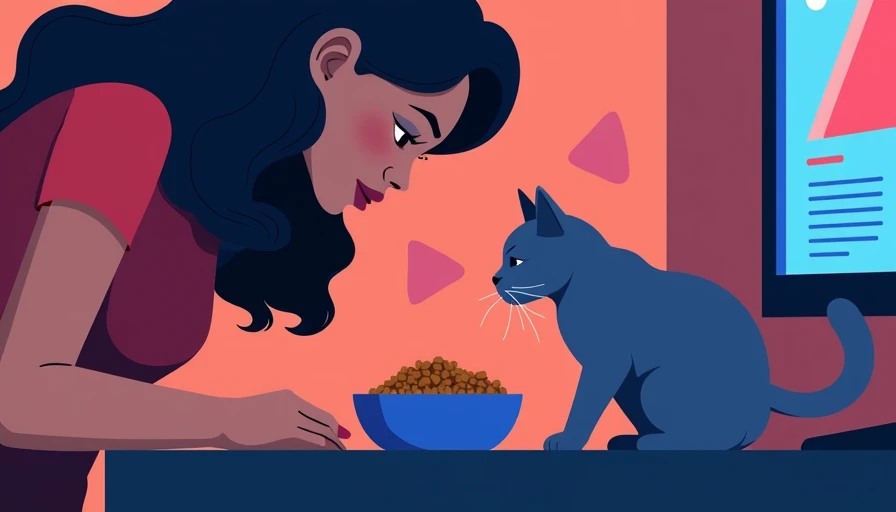
Wet food can be especially useful for cats that drink very little. It does not dissolve hairballs, but extra dietary moisture supports overall hydration and can make meals more satisfying. Many guardians combine a hairball-focused dry food with regular canned food. Introduce the change gradually over seven to ten days to reduce the odds of diarrhea or a hunger strike.
I spent money so you do not have to
I have tried enough cat food to stock a small foster room. Hill’s Science Diet Hairball Control, Royal Canin Hairball Care, Purina ONE Plus Hairball Formula, and Iams ProActive Health Hairball Care are recognizable examples in this category. Prices commonly range from roughly $15 to $45 for dry food, depending on bag size and retailer. Veterinary diets cost more and should be selected for a medical reason, not because the packaging looks serious.
The best cat food for hairballs is not automatically the most expensive bag. Royal Canin and Hill’s often offer polished formulas with strong feeding guidance, but that does not mean every cat will prefer them. Purina ONE and Iams can be more budget-friendly options for households feeding several cats. In my three-cat apartment, a food that every cat eats is more practical than a premium formula that requires separate bowls, negotiations, and one dramatic refusal from Nori.
Read the calorie information before measuring. Hairball foods vary in calorie density, so one half-cup is not nutritionally identical across brands. A food scale is useful if your cat needs weight control; mine cost about $12 and has been more reliable than my eyeballing skills. Overfeeding can contribute to excess grooming and weight gain, creating another problem while you are trying to solve the first.
Dry, wet, or a combination?
Dry hairball formulas are convenient, easy to portion, and often less expensive per serving. They can work well for cats that chew kibble and maintain a healthy weight. They are not a substitute for water, though, and free-feeding a calorie-dense food can quietly turn a normal cat into a furry ottoman.
Canned food offers more moisture and can help picky cats accept a dietary transition. Some cats love pate, some demand shreds in gravy, and some will reject both while eating the cardboard box. Your cat’s texture preference is not a character flaw. Feed the format that supports reliable intake, then discuss fiber options with your veterinarian if hairballs continue.
For many homes, the best cat food for hairballs is a measured combination: a complete wet food for moisture plus a compatible dry formula in a controlled portion. Do not mix a therapeutic diet with another food without asking the veterinary team, because the combination can dilute the intended nutrient profile.
Food is only one part of the hairball plan
Brushing is the unglamorous superstar. A five-minute session several times a week can remove loose fur before your cat swallows it. Short-haired cats benefit too; Miso is short-haired and sheds as though he has a personal grudge against my black shirts. Use a soft brush or grooming tool your cat accepts, and stop before the interaction becomes a wrestling match.
Weight management also matters. Overweight cats can struggle to groom certain areas, while irritated skin, fleas, allergies, or pain can trigger excessive licking. If you see bald patches, scabs, frantic grooming, or a sudden increase in swallowed fur, food alone is not the answer. A veterinarian can look for skin disease, parasites, gastrointestinal issues, or other causes.
The best cat food for hairballs works alongside grooming and observation, not instead of them. Keep a simple note on dates, food changes, stool quality, appetite, and vomiting. In a foster household, this record prevents five cats from becoming one confusing medical mystery.
When a hairball needs a vet, not another purchase
A typical hairball may be cylindrical and contain visible fur. Repeated unproductive retching, breathing trouble, a swollen or painful abdomen, lethargy, refusal to eat, constipation, or repeated vomiting deserves prompt veterinary attention. A blockage can be serious, and a cat that keeps trying to vomit without producing anything should not be treated with internet remedies.
Do not give mineral oil, human laxatives, butter, or random supplements unless your veterinarian specifically recommends them. “Natural” does not automatically mean safe, and a slick-looking tube from the pet store is not a substitute for an examination. Hairball gels may be suggested in some situations, but the correct product and amount depend on the cat.
If your cat vomits frequently, bring a photo, video, or sample if practical, along with the food label and feeding history. That information can save time during the appointment. Your veterinarian may recommend a prescription gastrointestinal diet, a different fiber profile, diagnostic testing, or treatment for an underlying condition.
My practical shopping checklist
Start with your cat’s age, health history, body condition, and current diet. Choose a complete and balanced food from a company with clear nutritional information. Compare calories per cup or can, not just the front-of-bag promises. Pick a texture your cat actually eats. Buy the smallest reasonable package first, because a $22 bag is still wasted money if your cat buries it in the litter box.
Transition gradually, measure portions, provide fresh water, and brush on a schedule. Give the new diet several weeks unless your cat develops vomiting, diarrhea, or refuses food. Never let a cat go without eating while waiting for a food transition to succeed; call your veterinary team for guidance instead.
For me, the best cat food for hairballs ended up being a tolerable, measured formula paired with brushing and fewer midnight experiments. Miso still occasionally leaves a furry cylinder on the rug because cats remain committed to chaos. But the weekly carpet crimes stopped, my vintage bowl survived, and I stopped buying every bag labeled “hairball solution.” Your cat, your rules.


Letters
No letters yet. Yours could be the first.