Most commercial cat toys follow a familiar arc: arrival, twenty minutes of intense interest, then permanent residence under the couch. The ones that last in this apartment are usually the ones that cost nothing and can be replaced in five minutes when they finally disintegrate.
Cardboard and old cotton T-shirts are ideal raw materials. Cardboard has the right texture for scratching and biting. Soft jersey fabric is light enough to bat, tough enough to survive moderate kicking, and quiet enough that it does not startle the more sensitive cats. Combined, they cover hunting, foraging, kicking, and hiding without requiring a trip to the store.
Five Cat Toys You Can Make
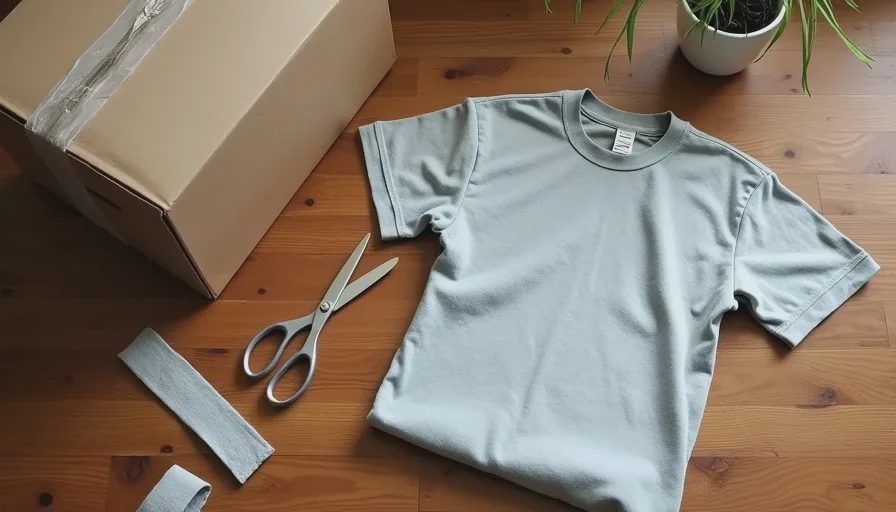
Below are five constructions that have been tested here. All of them start with the same two ingredients: one clean cardboard box (any size that is structurally sound) and one old T-shirt you will not wear again. Remove any plastic tape, staples, or adhesive labels from the box before you begin. Cut the T-shirt into usable pieces as needed.
1. The Braided Kick Stick
This is the simplest fabric toy and the one Dumpling destroys most enthusiastically.
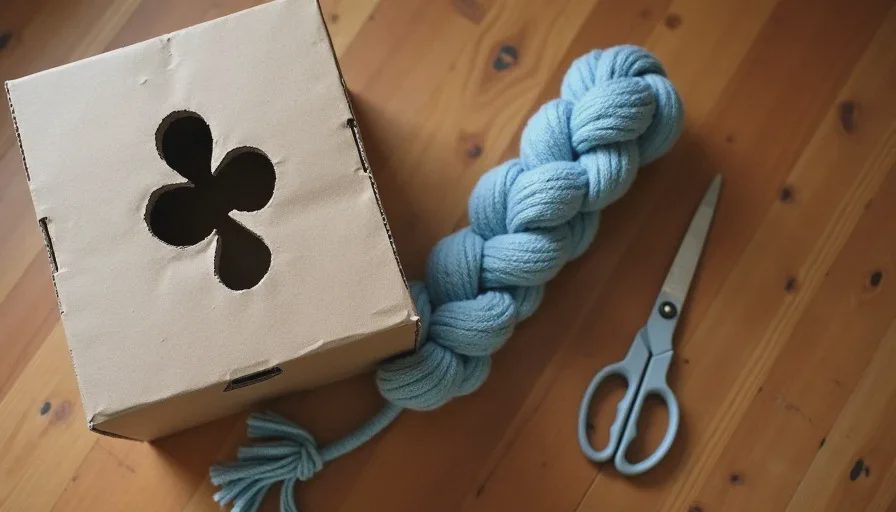
Cut the T-shirt into long strips roughly one to two inches wide. You will need three strips of similar length, ideally twelve to eighteen inches. Tie a knot at one end to hold them together. Braid the three strips firmly, then tie off the other end. Trim any long loose threads.
The finished braid becomes a kicking toy. Cats grab it with their front paws and rabbit-kick with their back legs. The soft fabric is gentle on claws and teeth. When it frays beyond use, cut a new set of strips from the remaining shirt.
Safety note: Keep the braid short enough that it cannot loop around a neck or limb. Supervise the first few sessions with any new cat.
2. The Box-and-Strip Wand
Interactive play burns more energy than solo toys and gives you some control over the intensity.
Cut a long, narrow strip from the T-shirt, two to three feet if the fabric allows. Tie or tape one end securely to a sturdy stick — a wooden spoon handle, a short dowel, or even a rolled and taped piece of cardboard from the box itself. The fabric strip becomes the moving prey.
Use it for short wand sessions. Keep the motion unpredictable and end the play while the cat is still engaged. This is especially useful for high-energy cats that otherwise channel their surplus into chasing more sensitive housemates.
When the fabric shreds, replace only the strip. The handle lasts longer.
3. The Peek-Hole Foraging Box
This one turns the cardboard box into a low-effort puzzle.
Take a medium or large box and cut several holes of different sizes in the sides and top. Holes should be large enough for a paw but not so large that the entire cat climbs through unless you want that option. Drop a few pieces of dry food or a couple of treats inside. Close the flaps or leave the top open depending on the difficulty level you want.
The cat has to reach, rotate the box, or dig to extract the food. It is a short foraging session that uses part of the regular meal ration rather than extra treats. When the box is shredded or soiled, recycle it and cut a new one.
Variation: Place a few crumpled paper balls or fabric scraps inside along with the food for added texture.
4. The Stuffed Kicker Sock (T-Shirt Version)
If the T-shirt has sleeves, cut one sleeve off and tie a tight knot in the open cuff end. Stuff the sleeve with remaining fabric scraps from the shirt, a small amount of dried catnip if you have it, or simply more tightly wadded T-shirt material. Tie the upper end closed. You now have a soft, elongated kicker that can be grabbed and thrashed.
This toy is quieter than anything with plastic or bells and holds up reasonably well to repeated kicking. When the seams or knots loosen, retie or retire it. Do not use loose fiberfill that can be ingested if the fabric tears open.
5. The Open-Sided Hide and Ambush Box
The final construction uses the box as architecture rather than a disposable toy.
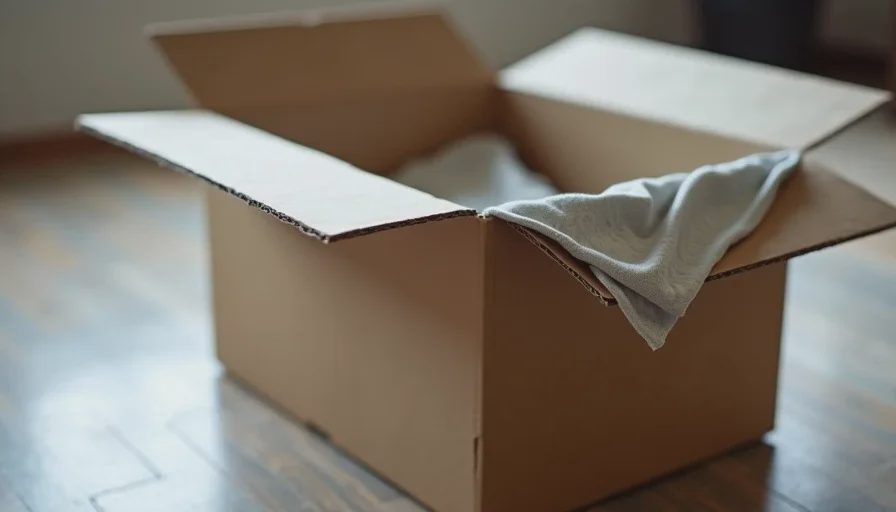
Cut one long side of the box mostly open so the cat can walk in and out freely. Optionally cut one or two additional smaller viewing or paw holes. Drape or stuff a large piece of the T-shirt inside as a soft liner, or leave the cardboard bare. Place the box on its side in a moderate-traffic area.
Cats use these for short rests, observation, and ambush practice. The fabric liner adds comfort and a familiar scent if the shirt belonged to you. When the box collapses or the fabric becomes dirty, replace the components separately.
This is the longest-lasting of the five because it is furniture rather than a destroyable object. Even so, cardboard eventually weakens. Accept the lifespan and keep a replacement box on hand.
General Construction and Safety Rules
Work with clean materials only. Wash the T-shirt first if it has been in storage.
Remove every piece of plastic tape, shipping label, and staple from the cardboard.
Avoid long loose strings or loops that can wrap around a neck or limb.
Supervise initial use, especially with cats that are heavy chewers or swallowers.
Replace any toy that has been heavily damaged, wet, or soiled.
These are temporary objects. Their value is in the novelty and the zero cost of replacement, not in permanence.
Why These Work Better Than Many Store Toys
They match the scale of actual cat play. They can be altered or discarded without guilt. They do not introduce new plastics, batteries, or small detachable parts. When a foster arrives with unknown preferences, these give you immediate, low-stakes options to test interest without spending money on something that may be ignored.
I keep a small stash of clean boxes and a couple of retired shirts near the recycling area. When the resident cats seem restless or a new foster needs a quick win, I cut a new braid or a new set of holes instead of opening a shopping app. The success rate is higher than most of the packaged toys that have passed through this apartment, and the failure cost is measured in minutes rather than dollars.
You do not need a craft room or a specialized skill set. You need scissors, a box that was already in the house, and a shirt that has finished its human career. The cats will handle the quality-control testing.
Your cat, your rules. And the recycling bin is a legitimate supply closet.
Letters
No letters yet. Yours could be the first.