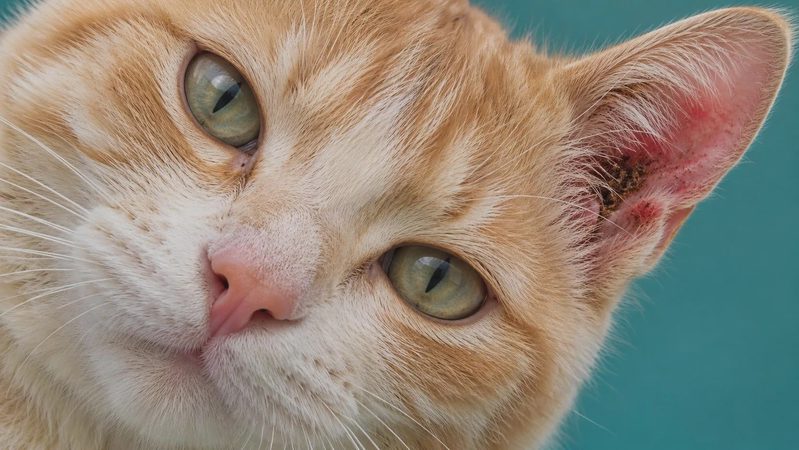
Case file: Miso, orange tabby, approximately six months old, arrived skinny, congested, and furious about being rescued. I assumed his growling meant he was improving because he had enough energy to complain. It did not. He was still hurting. Learning how to tell if cat is in pain is mostly learning to notice small changes before they become a full emergency. Cats are experts at hiding illness, so your job is not to diagnose the cause. Your job is to spot the pattern, record it, and get the right help.
The quiet signs cats use instead of saying ouch
A cat in pain may not cry or limp dramatically. More often, the daily routine gets slightly strange. Your normally social cat might hide behind the toilet, stop meeting you at the door, or sleep in a new, unusually protected position. A confident cat may become clingy, while a friendly cat suddenly swats when you touch one particular area.
Watch posture, too. A painful cat may sit hunched with the back rounded, keep the head lower than usual, or tuck the paws tightly beneath the body. Some cats stare blankly at a wall, squint, flatten their ears, or hold their whiskers differently. Those signs can have other explanations, but several together deserve attention.
Changes in grooming are especially useful clues. Pain can cause a cat to stop grooming and develop a greasy, spiky coat. Other cats lick one spot repeatedly, creating a bald patch or irritated skin. When I was learning how to tell if cat is in pain, coat condition became one of my easiest daily checks because it required no handling and no wrestling match.

Eating, drinking, and litter box clues
Food is data. A cat that skips one meal after a stressful event is not automatically in crisis, but reduced appetite lasting through the day is worth a call to the veterinarian. Dropping kibble, chewing on one side, walking away from food, or suddenly preferring soft food can point to mouth pain. Do not pry open the mouth to investigate unless a veterinary professional tells you how.
The litter box can tell you how to tell if cat is in pain without touching the cat. Look for repeated trips, tiny urine clumps, straining, accidents, blood, or crying while urinating. A male cat that strains and produces little or no urine may have a urinary blockage. That is an emergency, not a wait-and-see situation. Vomiting repeatedly, severe diarrhea, a swollen abdomen, or an inability to keep water down also warrants prompt veterinary advice.
Track water intake and stool changes when possible. In a multi-cat home, separate the concerned cat briefly with food, water, and a clean box so you can observe what is actually happening. I once blamed a missing appetite on household drama until I realized a bolder foster was guarding the kitchen bowls. A private observation period prevented both panic and a missed medical clue.
How movement and touch reveal discomfort
Pain often changes movement before it changes personality. Watch your cat jump onto a couch, climb stairs, use a scratching post, and enter the litter box. Hesitating before a jump, choosing lower surfaces, slipping, walking stiffly after resting, or avoiding stairs can indicate discomfort. Arthritis is common in older cats, but a young cat can hurt after an injury, infection, or rough play.
Do not test every joint like you are performing a home examination. Instead, film the unusual movement from a distance. A ten-second video is often more useful than a description made while your cat is hiding under the bed. If you need to move the cat, support the chest and hindquarters, use a carrier with the top removed if possible, and keep handling calm.
One important part of how to tell if cat is in pain is noticing defensive behavior during ordinary care. A cat that suddenly bites during brushing, resists being picked up, or growls when the carrier appears may be afraid, painful, or both. Fear and pain can look similar. Either way, forcing the issue can make the next veterinary visit harder.

I spent $X so you do not have to
My most expensive mistake was not a gadget; it was losing time because I kept waiting for a dramatic sign. I bought a temperature gun, a second fountain, and enough fancy treats to stock a tiny convenience store. None replaced a veterinary exam. A basic notebook, phone video, and a reliable carrier were more useful.
Write down the last normal meal, water intake, urination, stool, medication, and behavior. Note when symptoms began and whether they are getting better, worse, or changing. Bring the food label and medication packaging. If cost is a concern, ask the clinic about an exam estimate, payment options, community veterinary programs, or a lower-cost appointment. Clear information helps the team prioritize the visit.
Never give human pain medication unless a veterinarian specifically prescribes it for your cat. Acetaminophen and ibuprofen can be dangerous or fatal to cats. Do not apply essential oils, numbing creams, or leftover antibiotics. A home remedy that seems gentle can delay treatment or create a second problem.
When to call now and what to say
Call a veterinarian promptly for sudden hiding, persistent appetite loss, repeated vomiting, painful movement, a new lump, breathing changes, or behavior that is sharply different from normal. Go to an emergency clinic for open-mouth breathing, collapse, seizures, major bleeding, suspected poisoning, severe trauma, pale or blue gums, or straining without producing urine.
When you call, say what changed and when: “My eight-year-old cat has eaten half her normal amount since yesterday, is hiding, and cries when she steps into the box.” That is far more useful than “She seems off.” Explain any fall, fight, new plant, medication, or household change. If you are still learning how to tell if cat is in pain, the safest rule is simple: a meaningful change in normal behavior deserves attention, especially when several clues appear together.
Your cat does not need to perform a convincing tragedy before receiving care. You know the tiny habits: the counter jump, the breakfast routine, the dramatic litter-box exit. When those habits change, listen early, document what you see, and let a veterinary team handle the diagnosis. Your cat, your rules.


Letters
No letters yet. Yours could be the first.