Case file: Miso, orange tabby, approximately six months old
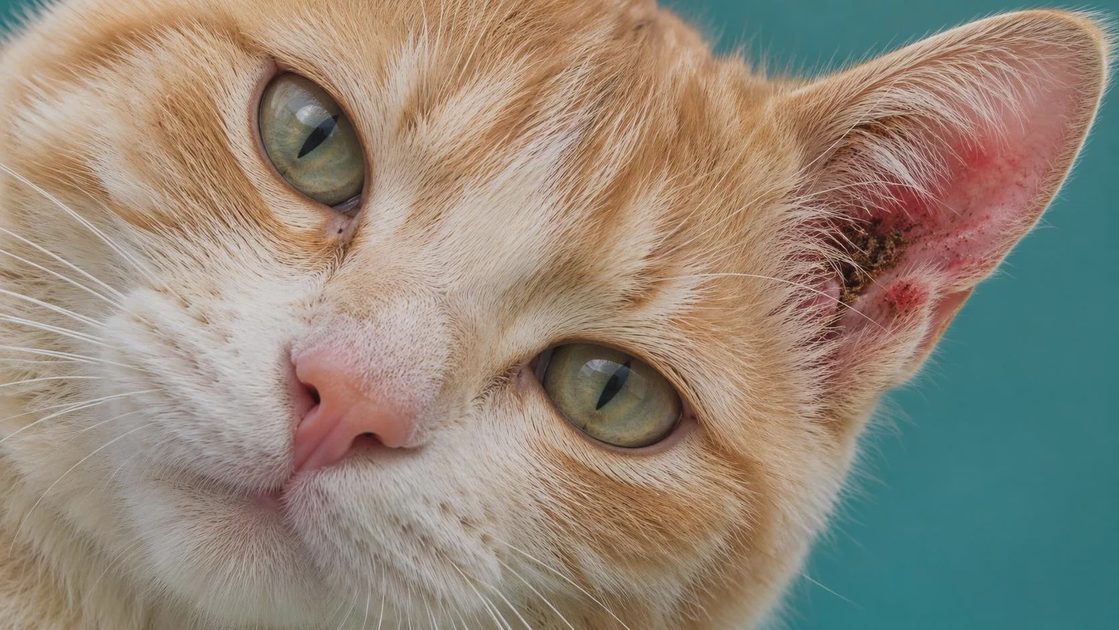
The first time I noticed cat ear infection signs, I did what many tired foster people do: I told myself the kitten was probably just dirty. Miso had arrived underweight, congested, and furious about being handled. His ears had dark, crumbly material inside them, but he was still eating, playing, and yelling at the bathroom door. I cleaned the visible mess and moved on to the next crisis.
That was the mistake. Ear debris is not automatically an infection, and a little wax can be normal, but dark buildup paired with scratching, head shaking, redness, odor, or pain deserves attention. A veterinary exam eventually showed that Miso had ear mites and secondary inflammation. The treatment was straightforward once we knew what we were dealing with. Guessing first only gave him several uncomfortable days.
Here are the cat ear infection signs I look for now, after eight years and more foster cats than I can count without opening a spreadsheet.
The signs that belong on your radar
The most obvious clue is repeated head shaking or scratching at one ear. A cat may tilt the head, rub the side of the face against furniture, or suddenly object when you touch the cheek or ear base. Some cats hide their discomfort better than others. Nori, my Devon Rex, became unusually quiet and stopped sleeping on the pillow beside me. That was more revealing than any dramatic scratching.
Other cat ear infection signs include redness inside the ear flap, swelling, a sour or rotten smell, discharge, and crusting around the opening. Discharge can look brown, black, yellow, or bloody. A cat may also hold one ear differently from the other. If the ear flap is thick, hot, or puffy, do not massage it or attempt to drain anything at home.
Balance changes are more serious. Stumbling, falling, walking in circles, a persistent head tilt, vomiting, or rapidly flicking eyes can indicate that inflammation has reached deeper parts of the ear. Those symptoms warrant urgent veterinary care, not a wait-and-see weekend.
Why the cause matters more than the gross-looking gunk
Ear mites are common in kittens and can spread quickly between cats through close contact. Their debris often resembles coffee grounds, but appearance alone cannot confirm mites. Bacteria and yeast can also cause discharge and odor, and allergies, foreign material, polyps, or an injury may create similar symptoms. A cat can even have more than one problem at once.
That is why cat ear infection signs are clues, not a diagnosis. A veterinarian may examine the ear with an otoscope and look at a sample under a microscope. This helps identify mites, yeast, bacteria, or inflammatory cells. The vet also needs to know whether the eardrum is intact before recommending certain cleaners or medications. A product that is harmless for the outer ear can be dangerous if it reaches a damaged eardrum.
In a multi-cat home, mention every animal that shares space with the affected cat. If mites are confirmed, the veterinarian may recommend treating contact cats too. Separating a symptomatic foster while arranging care can protect the others, but bleaching the entire apartment is not a medical plan. I have tried to disinfect my way out of problems before. It mostly created a very tired woman and a suspicious cat.
I spent money so you do not have to guess
The appointment, ear cytology, and medication for Miso cost me about $140 at a neighborhood clinic. Prices vary by location and whether sedation or additional testing is needed, but the exam was cheaper than buying three random ear products and still needing the appointment afterward. Some clinics also offer lower-cost appointments through community programs or veterinary assistance organizations.
Skip cotton swabs pushed down into the canal. They can pack debris deeper, injure delicate tissue, or make a painful ear worse. Do not use hydrogen peroxide, rubbing alcohol, essential oils, vinegar mixtures, or leftover medication from another pet. Internet confidence is not the same thing as a safe eardrum.
If your vet recommends a cleanser, ask for a demonstration. Usually, the process involves applying the prescribed amount, gently massaging the base of the ear, allowing the cat to shake, and wiping away loosened material from the visible outer area with gauze or cotton. Stop if the cat cries, bleeds, or becomes intensely distressed. A towel wrap and a second person can help, although Dumpling considers both a declaration of war.
What treatment and recovery usually look like
Treatment depends on the cause. Ear mites may require a parasite medication approved for cats, while bacterial or yeast infections may need a prescription topical product. Some cats need oral medication, pain relief, or a follow-up cleaning. Use the medication for the full prescribed length, even when the odor disappears after two days. Stopping early can leave inflammation behind and make the next flare harder to manage.
The cat ear infection signs should gradually improve, but recovery is not always instant. Less scratching is encouraging; a completely odor-free ear may take longer. Keep a simple note with the date, affected ear, medication, appetite, and behavior. In a foster room, I photograph the ear flap before treatment so I can compare changes without relying on my famously unreliable memory.
Call the clinic if swelling increases, discharge becomes bloody, the cat stops eating, medication causes vomiting, or handling becomes impossible. Ask before cleaning more often than directed. Overcleaning can irritate an already inflamed canal and turn a sensible routine into a wrestling match with no medical benefit.
When cat ear infection signs need same-day attention
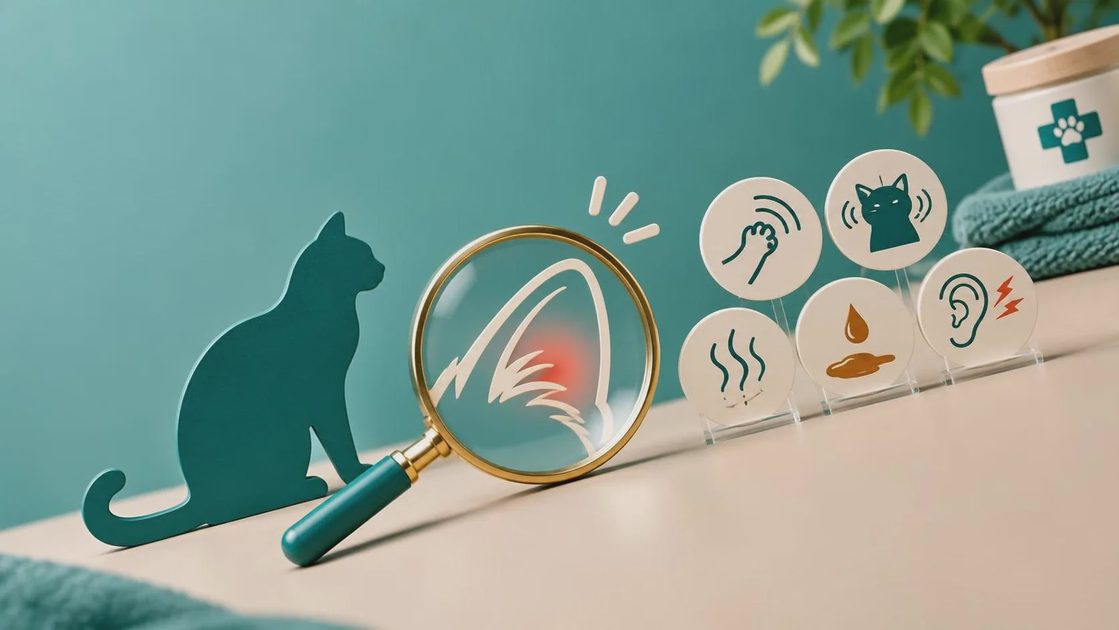
A painful ear is worth a prompt appointment, especially when symptoms appear suddenly or affect only one side. Same-day advice is especially important for a cat with a swollen ear flap, severe pain, bleeding, balance problems, a head tilt, repeated vomiting, or sudden hearing changes. Kittens, seniors, and cats with other illnesses deserve a lower threshold for calling.
Do not wait for the cat to stop eating before taking the problem seriously. Cats are skilled at disguising pain, and a quiet cat may be feeling much worse than the one dramatically shaking its head. If you cannot safely inspect the ear, that is useful information for the clinic. Tell the receptionist what you observed rather than forcing an examination at home.
For mild debris without pain, odor, redness, or behavior changes, take a clear photo and ask your veterinary office whether an appointment is needed. A photo cannot replace an exam, but it can help document whether the issue is changing. Your cat, your rules.


Letters
No letters yet. Yours could be the first.