Miso arrived at my apartment with the classic intake profile: orange tabby, approximately two years old, underweight, congested, and convinced every human hand was a trap. I made the rookie mistake of buying three calming products before giving him a quiet room. Natural remedies for cat anxiety are not magic treats or a lavender-scented shortcut. They are usually small changes that make a cat feel safer, more in control, and less ambushed by daily life.
If your cat is hiding, overgrooming, spraying, startling at every sound, or refusing food, start with a veterinary checkup. Pain, dental disease, urinary trouble, thyroid problems, and other medical issues can look like anxiety. A behavior change that appears suddenly deserves professional attention, especially if a cat stops eating for a day, strains in the litter box, vomits repeatedly, or seems weak.
Start with a safe territory
The cheapest option in my natural remedies for cat anxiety file was a cardboard box turned on its side. Miso ignored the expensive covered bed and slept in a grocery box lined with a fleece blanket. That was not a failure of interior design. It was useful information.
Give an anxious cat one predictable base camp. A spare bathroom, office, or quiet bedroom works well. Put food, water, a litter box, a scratching surface, and a hiding place in the room, but keep the litter box separated from food. Do not drag the cat out to prove that everything is fine. Sit nearby, read a book, and let your presence become boring.
A good hiding place has two exits when possible, so the cat does not feel cornered. A carrier with the door removed, a chair draped with a blanket, or a sturdy storage cube can work. Keep children, visiting dogs, and enthusiastic relatives out of this zone. Security is the treatment here, not forced socialization.
Build a routine your cat can predict
Cats often cope better when meals, play, cleaning, and bedtime happen in a familiar sequence. My three cats know that the breakfast alarm means food, not an emergency evacuation. That predictability matters more than having a perfect schedule down to the minute.
Feed at roughly consistent times and avoid suddenly moving bowls, litter boxes, or furniture. If your household schedule changes, shift gradually when you can. A timed feeder, such as a basic PetSafe model, can cost around $30 to $60 and is especially helpful for cats that become frantic before meals. It is not a substitute for attention, but it removes one daily argument from the calendar.
Pair stressful events with something your cat already enjoys. Before vacuuming, place the cat in a quiet room with a favorite meal or lickable treat. For a carrier, leave it open year-round with a blanket inside instead of bringing it out only for vet visits. The goal is to replace the pattern of carrier equals terrifying car ride with carrier equals neutral furniture.
Use play and scent without turning your home into a pet store
Natural remedies for cat anxiety often work best when they provide an appropriate outlet for hunting behavior. Try a wand toy for five to ten minutes, followed by a small meal. Let the cat catch the toy sometimes. Endless teasing can create frustration, particularly in a nervous cat that already feels powerless.
Rotate toys rather than dumping twenty options on the floor. A paper bag without handles, a cardboard tube, or a crumpled receipt can be more exciting than a $25 electronic gadget. Remove string, ribbon, and small parts when play ends; swallowed objects can become an emergency.
Scent can help, but use restraint. Avoid essential oil diffusers, concentrated fragrances, incense, and scented cleaning products around cats. Many essential oils are unsafe for cats because their bodies process certain compounds poorly. A worn T-shirt that smells like a trusted guardian, placed near but not inside the hiding area, is a safer experiment. Let the cat choose whether to approach it.
Make a multi-cat home less competitive
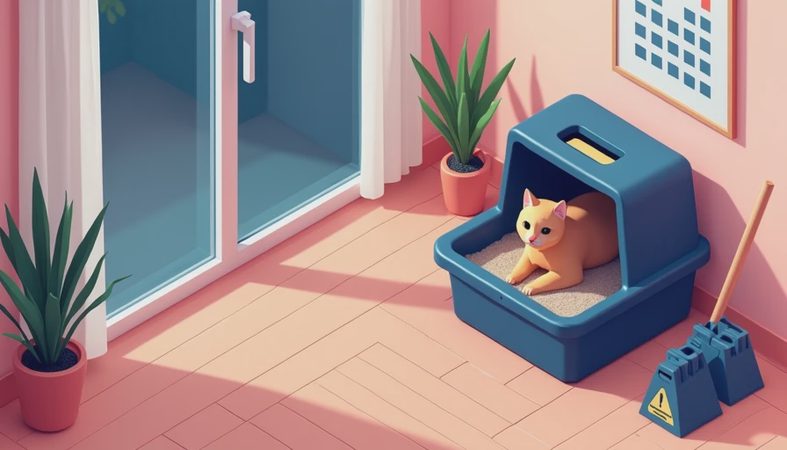
In a home with several cats, anxiety may be a resource problem rather than a personality flaw. Natural remedies for cat anxiety should include more than one food station, water location, resting area, and scratching surface. Put litter boxes in separate, accessible places. The common guideline is one box per cat plus one extra, but layout matters too; five boxes lined up in one laundry room may function like one crowded bathroom.
Add vertical options with a cat tree, sturdy shelf, or window perch that can support the animal safely. A nervous cat may relax when it can watch household activity from above instead of being approached at floor level. Give each cat a route away from the others, especially near food and litter.
Watch for quiet bullying: blocking a hallway, staring at another cat near the water bowl, waiting outside the litter room, or stealing preferred sleeping spots. You do not need a dramatic fight to justify changing the setup. Separate resources first, then consider a slow reintroduction if conflict continues.
I spent $X so you do not have to
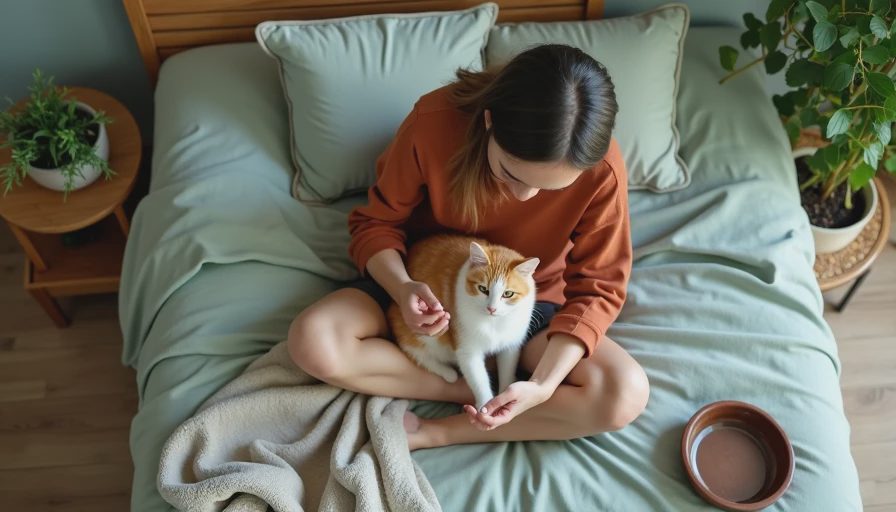
Here is the honest shopping list from my own apartment. A basic cardboard scratcher can cost $10 to $20 and gets used more reliably than some designer versions. A washable fleece blanket may be $8 to $15. A simple wand toy is often under $10. Those are sensible first purchases because they support hiding, scratching, warmth, or play.
Pheromone diffusers are not exactly a natural remedy, but some households find products such as Feliway worth testing. A starter diffuser commonly costs roughly $20 to $30, with refills adding to the monthly expense. In my experience, environmental changes did more for Nori than a diffuser did, while another foster settled faster with one running in the quiet room. Results are individual, so do not let a marketing promise convince you to skip the basics.
Skip products that promise instant calm, contain undisclosed herbal blends, or encourage giving a cat human supplements. “Natural” does not automatically mean safe. Never give melatonin, CBD, valerian, or another supplement without discussing the exact product and dose with a veterinarian.
When home strategies are not enough
If natural remedies for cat anxiety have made no meaningful difference after a consistent couple of weeks, document what you are seeing. Write down hiding, appetite, sleep, grooming, litter habits, triggers, and interactions with other animals. A short video can help your veterinarian or a qualified veterinary behaviorist understand the pattern.
Medication is not a moral failure or a last-resort punishment. For some cats, temporary or ongoing prescription treatment creates enough breathing room for behavior work to succeed. A vet can also recommend a certified behavior professional and rule out pain before anxiety becomes the explanation for everything.
The practical order is simple: medical check, safe territory, predictable routine, separate resources, gentle play, and careful observation. I have spent money on calming beds that became laundry baskets and toys that became dust collectors. The useful lesson was not that every product is useless. It was that the cat’s sense of safety comes first.
Your cat, your rules. Start with the quiet room, the cardboard box, and the routine you can actually maintain.

Letters
No letters yet. Yours could be the first.