The first time I searched for a cat poop color chart, I was standing over a litter box at 2 a.m. with one foster kitten in a laundry basket and absolutely no idea whether the stool in front of me was “a little weird” or “call the emergency vet.” Intake details: unnamed orange kitten, roughly five weeks old, underweight, recently found outdoors, and producing poop that looked suspiciously green. Welcome to fostering.
A stool color change can come from food, medication, stress, parasites, bleeding, or a problem with digestion. Color alone cannot diagnose your cat, but it is useful evidence. Look at the shade, texture, frequency, smell, and your cat’s behavior together. A playful cat who eats normally is a different case from a cat with pale stool, vomiting, and no interest in breakfast.
Cat poop color chart: the quick guide
Brown is generally the expected color, ranging from light tan to dark chocolate. A small variation can happen after changing foods, eating treats, or switching from kitten to adult formula. Healthy stool is usually formed but not rock-hard, and you should be able to scoop it without it becoming a smear campaign across the box.
Black or tarry stool deserves attention, especially when it is sticky, shiny, or unusually foul-smelling. It can indicate digested blood from higher in the gastrointestinal tract. Do not confuse this with a temporarily darker brown stool after a food change. If the stool truly looks like tar, call your veterinarian promptly, particularly if your cat is weak, pale-gummed, vomiting, or refusing food.
Red streaks or drops often point to fresh blood near the lower digestive tract, rectum, or anus. Constipation, diarrhea, irritation, and parasites can all be involved. A tiny bright-red streak after one difficult bowel movement is not automatically a catastrophe, but repeated blood, clots, bloody diarrhea, or obvious pain needs veterinary guidance quickly.

Yellow, orange, or mustard-colored stool can occur when food moves through the intestines too quickly, but it can also be associated with liver, gallbladder, or pancreatic problems. Gray, clay-colored, or almost white stool is less typical and should prompt a call to your vet. Green stool can result from diet or rapid transit, while persistent green diarrhea deserves the same practical response as any ongoing diarrhea: save a sample and contact the clinic.
What texture and smell add to the picture
The best cat poop color chart is not just a color strip. Texture often tells you more. Small, dry pellets suggest constipation or inadequate fluid intake. Loose stool can follow stress, a sudden diet change, antibiotics, parasites, or infection. Watery diarrhea can dehydrate cats quickly, especially kittens, seniors, and cats with other illnesses.
Mucus looks like a clear, white, or jelly-like coating. It may appear when the lower bowel is irritated. A little mucus once is worth monitoring; repeated mucus, straining, urgency, or blood is a reason to call. Very greasy stool, unusually large amounts, or stool that stays pale can also signal poor digestion and deserves professional assessment.
Smell is not a perfect diagnostic tool, but a sudden, spectacular increase in odor matters when it comes with diarrhea, weight loss, poor appetite, or a potbelly. Giardia and other intestinal parasites can cause foul-smelling stool, though you cannot identify a parasite by smell alone. Please skip the internet remedy involving vinegar, essential oils, or random dewormers. I have cleaned enough foster bathrooms to know that improvisation usually creates a second problem.
I spent $35 on the wrong answer so you do not have to
During one foster intake, I bought a new “sensitive stomach” food before getting a fecal test. The food cost about $35, the kitten hated it, and the actual issue turned out to be intestinal parasites. The useful purchase would have been a veterinary exam and a properly collected stool sample.
If the color change lasts more than a day, or if your cat has diarrhea, vomiting, lethargy, weight loss, or reduced appetite, call your veterinary office. Kittens can worsen faster than adult cats. Same-day advice is especially important for a kitten who is not eating, a senior cat who seems weak, or any cat showing dehydration signs such as tacky gums or unusual tiredness.
Use a clean container or the sample cup your clinic provides. Scoop fresh stool, avoid litter when possible, and ask how quickly it should be delivered. Take a clear photo in natural light before scooping. The photo can help your vet understand what you saw, while testing can look for parasites and other causes that color alone cannot reveal.

Food, medication, and stress can change stool
A sudden food switch is one of the most common explanations for temporary stool changes. Even a high-quality food can cause digestive upset if introduced overnight. When your vet has not prescribed a rapid change, transition over several days by mixing increasing amounts of the new food with the old. Keep treats, toppers, and table scraps consistent so you can identify the real trigger.
Medication can also alter stool. Antibiotics sometimes cause diarrhea, and some supplements or brightly colored foods can affect appearance. Never stop a prescribed medication without speaking with the prescribing veterinarian. If your cat recently started a drug and develops black stool, repeated vomiting, facial swelling, breathing trouble, or severe diarrhea, contact a veterinary professional right away.
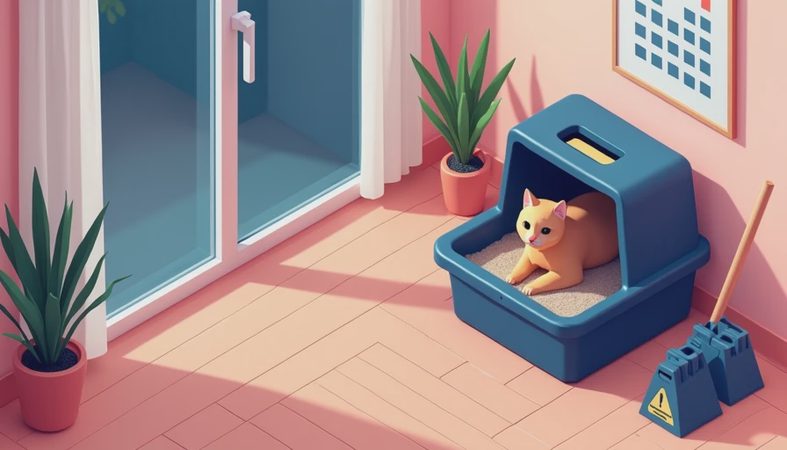
Stress is real digestive trouble in cat form. A move, boarding stay, new roommate, loud renovation, or aggressive housemate can disrupt bowel habits. In a multi-cat home, provide enough clean litter boxes and watch individual cats if possible. One box per cat plus one extra is a commonly used starting point, placed in quiet, accessible locations. Your cat, your rules; the litter box still gets a vote.
A practical litter-box check before calling
Write down the last normal bowel movement, the new color, whether the stool was formed, and how often your cat has gone. Note appetite, water intake, energy, vomiting, straining, and any recent food or medication change. If you have multiple cats, identify the patient before assuming the mystery pile belongs to the cat you are watching.
Do not give human anti-diarrhea medicine, laxatives, pain relievers, or leftover antibiotics unless a veterinarian specifically directs you. Several common human medications are dangerous for cats. Do not force food or water into a weak, vomiting cat. Call your clinic, an emergency hospital, or a pet poison service when exposure to a potentially toxic substance is possible.
A cat poop color chart helps you notice patterns, not hand you a diagnosis. Brown and formed is usually reassuring; black, bloody, gray, persistent yellow, or ongoing green stool needs context and often a professional opinion. When in doubt, take the photo, save the sample, and make the call. That is not overreacting. That is how you avoid discovering at 3 a.m. that your cat has been quietly sick for two days.
Letters
No letters yet. Yours could be the first.