The case file: when food suddenly feels like medicine
The first time I dealt with a cat who needed a cat kidney disease diet, I made the classic panic move: I bought three different foods, opened all of them at once, and created a tiny seafood buffet that nobody wanted. The cat sniffed each bowl, walked away, and then screamed beside the empty dish as if I had personally canceled dinner.
That week taught me the most important lesson: a kidney-supportive diet only helps if your cat actually eats it. Chronic kidney disease is common in older cats, but the diagnosis still feels like being handed a spreadsheet during an emotional crisis. Your veterinarian should guide the plan because kidney values, blood pressure, hydration, appetite, body weight, and other conditions all matter. This guide is here to make the daily decisions less confusing, not to replace veterinary care.
A cat kidney disease diet typically focuses on controlled phosphorus, appropriate high-quality protein, enough calories, and plenty of moisture. The exact balance depends on the individual cat. A senior cat with nausea and weight loss has different priorities from a stable cat who is maintaining weight and acting normal.
What the diet is supposed to accomplish
Healthy kidneys help regulate waste products, fluids, and minerals. When kidney function declines, phosphorus can build up in the blood, and some cats become nauseated or lose interest in food. Prescription renal diets are formulated with reduced phosphorus and carefully adjusted nutrients. Many also provide increased calories, antioxidants, and omega-3 fatty acids, although formulas differ by brand.
Common veterinary options include Hill's Prescription Diet k/d, Royal Canin Veterinary Diet Renal Support, and Purina Pro Plan Veterinary Diets NF Kidney Function. These foods are not magic cans, and one brand is not automatically best. Texture matters enormously. A cat may reject pate but accept chunks in gravy, or eat a dry renal formula while refusing wet food. A veterinary diet technician can sometimes provide samples, which is much better than spending $60 on a case that becomes furniture.
Do not slash protein or phosphorus on your own by feeding plain chicken, tuna, or homemade meals indefinitely. Chicken breast is not a complete diet, tuna can be nutritionally unbalanced and high in phosphorus, and improvised recipes can miss essential vitamins and minerals. A board-certified veterinary nutritionist should formulate any long-term homemade plan.
The transition that actually has a chance
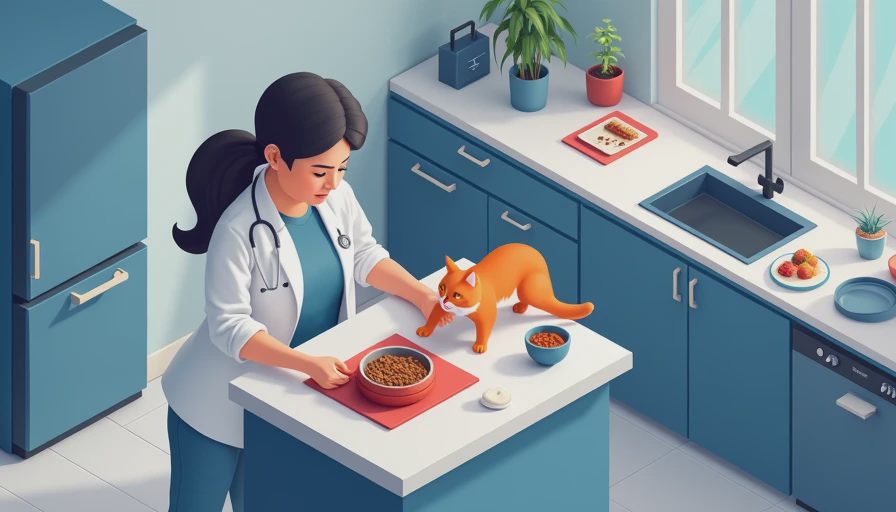
A cat kidney disease diet often fails because the transition happens too quickly. Start with a teaspoon of the new food beside the familiar meal rather than mixing a full bowl immediately. Some cats interpret a new smell in their trusted food as a personal betrayal. After two or three days, increase the new portion gradually if appetite remains normal.
Try serving food at room temperature or warming wet food slightly to release its aroma. Use a clean ceramic plate, a shallow saucer, or a wide bowl that does not press against the whiskers. Feed in a quiet room away from dogs, busy hallways, and the litter box. In my apartment, Nori eats better on a small tray beside the bookcase than she does in the kitchen, where Dumpling believes every bowl is legally communal property.
Keep a simple intake log for the first two weeks. Record the food, approximate amount, medication, vomiting, stool, and attitude. You do not need a color-coded chart worthy of a hospital. A note on your phone is enough. The pattern helps your veterinarian distinguish a food preference from worsening nausea or another medical problem.
If your cat refuses food for a day, is repeatedly vomiting, seems very weak, or is losing weight, call the veterinary office promptly. Cats can become seriously ill when they stop eating, and force-feeding without professional instruction can create food aversion or aspiration risks.
Hydration is part of the meal plan
Many cats with kidney disease benefit from higher water intake, but the best method depends on the cat. Wet food supplies more moisture than dry food, while adding a tablespoon of water to a meal can work for some cats. Start with a small amount so the texture does not suddenly become soup. A circulating fountain helped one of my foster cats drink more, but another treated it like a suspicious indoor waterfall and continued drinking from a plain glass.
Put water in several locations, especially in multi-cat homes. Keep bowls away from litter boxes and noisy appliances, and wash them frequently. Wide glass or ceramic dishes are easy to clean and less likely to hold old food smells. Broth is not automatically safe: onion, garlic, excessive salt, and seasoning can be dangerous. If you use a commercial topper, read the ingredient list and ask the veterinary team whether it fits the plan.
A cat kidney disease diet should support hydration, but it cannot correct severe dehydration at home. Some cats need fluids administered at the clinic or under the skin at home. Your veterinarian can demonstrate the technique if it becomes appropriate; do not improvise with human electrolyte products.
I spent the money so you do not have to
The most expensive mistake is buying every renal product before learning what your cat likes. A better starter plan is one small bag or a few cans from two approved textures, a shallow feeding dish that costs around $5 to $15, and a kitchen scale if weight loss is a concern. Skip decorative feeders until you know whether the issue is taste, nausea, dental pain, stress, or bowl shape.
Prescription renal foods often cost more than standard diets, but the weekly difference is easier to judge after calculating the daily portion rather than staring at the price per case. Ask about manufacturer coupons, clinic samples, and whether a larger package is practical. Keep unopened food stored as directed, and refrigerate opened wet food in a sealed container. Most cats do not enjoy refrigerator-cold leftovers, so let a portion warm safely before serving.
Supplements deserve the same caution. Phosphorus binders, potassium, anti-nausea medication, appetite stimulants, and omega-3 products can be useful in selected cases, but dosing depends on bloodwork and other medications. A random supplement from a social media recommendation is not a treatment plan.

How to review the plan at home
Bring your intake log and three concrete observations to every appointment: how much your cat eats, whether body weight is changing, and what the litter box shows. Ask which kidney values are being monitored, when blood pressure should be checked, and what symptoms justify an urgent call. Bloodwork and urinalysis help the veterinary team adjust care; one number should not be interpreted in isolation.
In a multi-cat home, measure meals separately when possible. Feed the kidney patient behind a closed door for 15 minutes, then pick up leftovers. This prevents one cat from eating the renal food while another steals the regular kibble. Microchip feeders can help, but they are an investment, often costing $150 or more, so a cheap baby gate or scheduled room feeding may solve the problem first.
The goal of a cat kidney disease diet is not dietary perfection. It is steady nutrition, comfortable eating, adequate hydration, and a plan that can change as the disease changes. Some days the medically ideal food is untouched, while a veterinary-approved compromise keeps calories going. Tell your veterinarian honestly what your cat eats; shame makes treatment harder, and nobody gets a prize for hiding the tuna incident.
Your cat, your rules.
Letters
No letters yet. Yours could be the first.