The litter box case file
Name: Miso. Estimated age: two years. Condition on arrival: starving, congested, and apparently determined to turn every litter box into a crime scene. My first serious constipation panic happened during my early fostering years, and I handled it badly. I changed food twice, offered random internet suggestions, and spent an entire evening watching a cat squat with nothing happening. Cat constipation home remedies sound reassuring when you are staring at an empty litter box, but constipation can overlap with dehydration, pain, intestinal obstruction, or a urinary emergency.
That last distinction matters. A cat straining in the box might be trying to poop, or might be unable to urinate. A blocked urethra is life-threatening, especially in male cats, and is not a home-treatment situation. If your cat repeatedly enters the box, cries, produces little or no urine, vomits, collapses, or has a painful swollen belly, call an emergency veterinarian immediately. Do not wait for a remedy to work.
For a cat that is bright, eating, urinating normally, and only mildly backed up, there are a few low-risk supportive steps. They are not a substitute for diagnosis, and they should not become a weeklong experiment.
What mild constipation can look like
Healthy cat stool is usually formed but not rock-hard, and most cats defecate at least every day or two. Individual schedules differ, so the useful comparison is your cat's normal routine. Constipation signs include small dry pellets, repeated box visits, straining, a little mucus, reduced appetite, hiding, or a tense posture. Some cats pass a tiny amount of liquid around a hard stool, which can look like diarrhea while a blockage remains inside.
Before trying cat constipation home remedies, check the basics. Is fresh water available in more than one location? Has the cat eaten normally? Is urine present in the box? Did a food change, move, stressful introduction, or long-haired shedding episode happen recently? Kittens, senior cats, overweight cats, and cats with kidney disease deserve a lower threshold for calling the vet because dehydration and underlying illness can make constipation worse.
Take a quick photo of the stool if you can stomach it. Note the last normal bowel movement, appetite, water intake, vomiting, medications, and urine output. That information is more useful to a veterinary team than “something seems off,” even though that sentence is basically the official foster-parent anthem.
Safe supportive steps to try
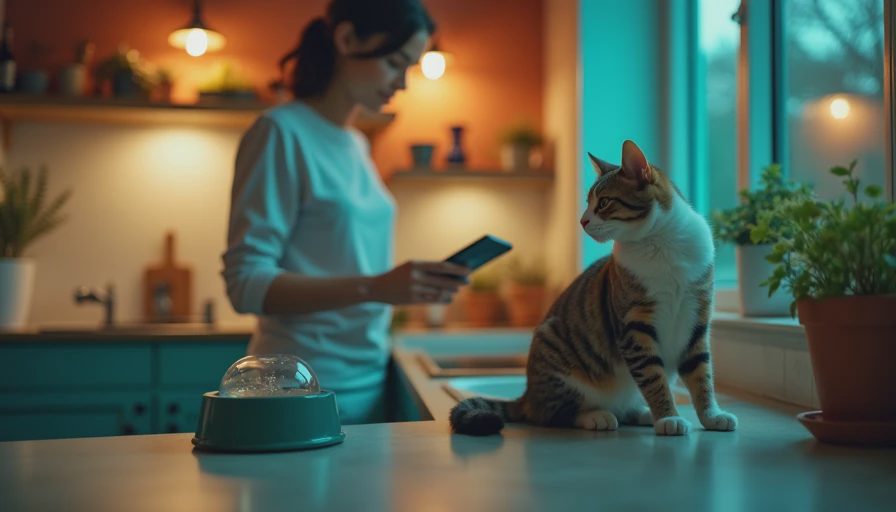
The gentlest option is improving hydration. Offer fresh water in a clean bowl, a second bowl away from food, or a fountain if your cat likes moving water. You can add a small amount of warm water to wet food, but do it gradually so the meal does not become an immediate betrayal. Wet food generally supplies more moisture than dry kibble, although a sudden diet overhaul can cause its own digestive drama.
Encourage calm movement with a short wand-toy session, provided your cat is comfortable and not painful. Light activity can support normal gut movement. Brush a long-haired cat to reduce swallowed fur, but skip grooming if handling causes stress. Make the litter box easy to access, scoop it promptly, and provide enough boxes for the household. In a multi-cat home, a nervous cat may hold stool if another cat ambushes the hallway.
These measures are supportive, not guaranteed fixes. If there is no bowel movement within a day after these changes, or if your cat is straining, uncomfortable, or eating less, contact your regular veterinarian. The clinic might recommend a specific treatment and dose based on weight, medical history, and examination.
I Spent $X So You Don't Have To
My expensive mistake was buying a “digestive wellness” paste before asking what was actually wrong. The tube cost about $18, and Miso treated it like an insult from a rival nation. More importantly, a supplement could not tell me whether he was dehydrated or obstructed. I should have spent five minutes recording symptoms and calling the clinic instead.
Be especially cautious with cat constipation home remedies that involve human laxatives, mineral oil, enemas, essential oils, or kitchen ingredients. Human products can be unsafe, and mineral oil can be inhaled into the lungs if given incorrectly. At-home enemas are particularly dangerous because some phosphate enemas can cause severe electrolyte problems in cats. Do not give milk, butter, olive oil, apple cider vinegar, or herbal products as a casual fix. These can cause vomiting, aspiration, pancreatitis, toxicity, or simply delay proper care.
Fiber is not automatically harmless either. Pumpkin is often discussed online, but adding fiber to a dehydrated or obstructed cat can worsen discomfort. Ask a veterinarian before adding pumpkin, psyllium, a hairball product, or a laxative. The right product and amount depend on the individual cat.
When the vet visit should happen
Call a veterinarian promptly if constipation lasts more than 24 to 48 hours, returns repeatedly, or comes with vomiting, appetite loss, lethargy, weight loss, pain, or a distended abdomen. Go sooner for kittens, seniors, cats with kidney disease, cats taking medications that slow the gut, and any cat that has previously needed an enema or stool removal.
A veterinary exam may include abdominal palpation, hydration assessment, bloodwork, or an X-ray. Treatment can involve fluids, a prescribed stool softener, a properly selected laxative, or removal of impacted stool under sedation. Those steps sound dramatic, but they are often far kinder than allowing a cat to strain in pain for several days. The bill might range from a basic exam fee to several hundred dollars if imaging, fluids, or emergency treatment is needed. Pet insurance does not replace urgent care, but a policy can help with eligible unexpected veterinary costs when purchased before illness begins.
Do not be embarrassed about waiting too long or trying one bad idea. Tell the vet exactly what was given, including the amount and time. Accuracy helps them treat the cat safely.
Preventing the next litter box crisis
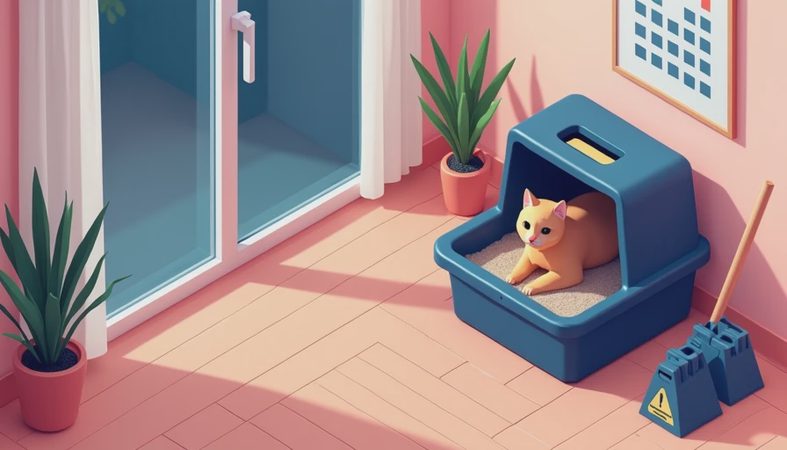
Once your cat is comfortable, prevention usually starts with routine. Feed a consistent diet unless your vet recommends a change, make water easy to reach, and keep boxes clean and accessible. A common household starting point is one box per cat plus one extra, placed in separate quiet areas rather than lined up together. Scoop daily and notice changes in stool, urine, and digging behavior.
Regular brushing helps cats that swallow a lot of fur, but no hairball paste should be used automatically. Ask about it if your cat has frequent hairballs or constipation. During fostering, I keep a simple note on each cat: food, water habits, urine, stool, medications, and personality changes. It takes less than a minute and catches patterns that memory misses, especially with three cats who all believe they are entitled to use the same box.
If constipation keeps returning, ask about chronic constipation, megacolon, dehydration, diet, pain, and medication side effects. Repeated episodes need investigation rather than increasingly creative cat constipation home remedies.
The short version for tonight
Confirm that your cat is urinating. Offer water, wet food, a quiet clean box, and gentle movement if the cat feels well. Avoid human laxatives, oils, enemas, milk, essential oils, and force-feeding anything. Watch appetite, vomiting, energy, pain, and the clock. Cat constipation home remedies have a limited role: comfort and hydration support while you decide whether veterinary advice is needed.
The best result is not proving that you can solve every problem from your kitchen. It is noticing trouble early, avoiding a dangerous hack, and getting help before a manageable issue becomes an emergency. I have spent enough nights in vet waiting rooms to know that a timely phone call is usually cheaper, calmer, and kinder than a heroic internet experiment. Your cat, your rules.
Letters
No letters yet. Yours could be the first.