The first thing I noticed was how light he felt.
I had carried the carrier into the clinic expecting a normal street cat weight. The tech put him on the scale and the number came back low enough that both of us went quiet for a second. He was all bone under the orange-and-white fur, the missing eye socket still slightly crusted, green-yellow discharge at the remaining eye and both nostrils. When he opened his mouth to breathe, you could hear the congestion. Classic upper respiratory infection on top of malnutrition. The vet called it “a project.”
I had planned to foster for a week or two until a rescue had space. That plan lasted approximately four days.
Day One Through Three: The Learning Curve Nobody Warns You About
They sent me home with antibiotics, eye ointment, a bag of recovery food, and instructions that sounded simple on paper. Keep him warm. Keep him eating. Clean the discharge. Weigh him daily. Call if he stops eating for more than twenty-four hours.
He stopped eating on the second night.
Congestion is brutal for cats because so much of their appetite runs through smell. When the nose is blocked, food becomes wallpaper. I warmed the canned food, added a spoon of warm water, held it under his nose. He turned his head. I tried a different brand, then baby-food chicken, then the expensive recovery pâté the clinic had recommended. Nothing. By the third morning his weight had dropped another few ounces and the panic set in for real.
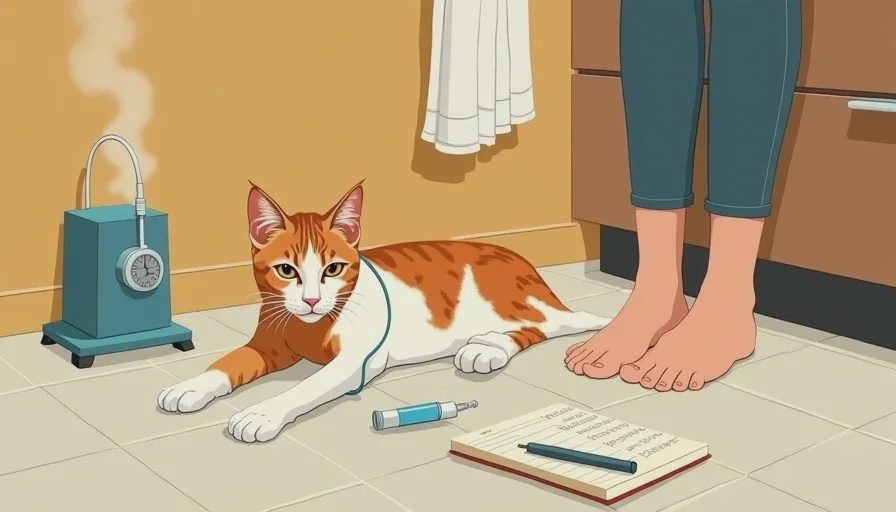
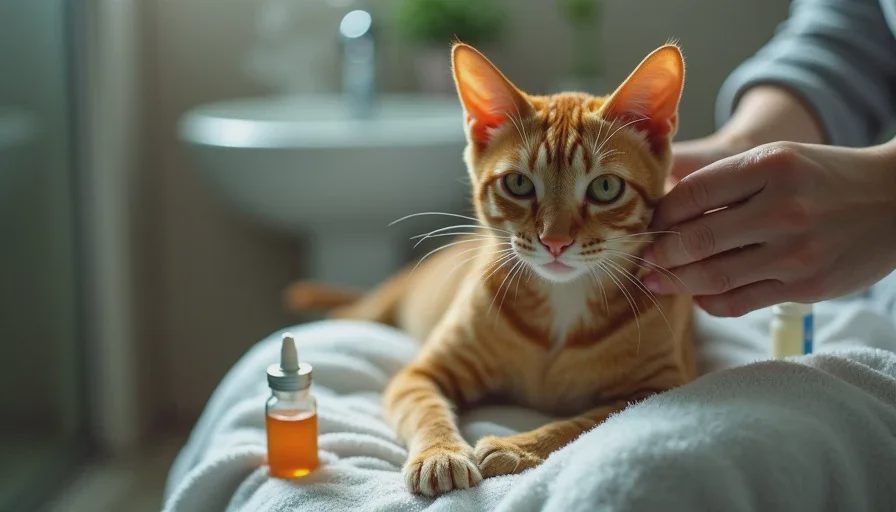
Syringe feeding is one of those skills you learn because the alternative is worse. I sat on the bathroom floor with a towel across my lap, a 10 ml syringe of warmed slurry, and a cat who was too weak to fight much. The first attempts were messy. Food ended up on the towel, on my shirt, once in my hair. The key is small amounts, slow pressure, and watching the swallow. Too fast and you risk aspiration. Too slow and the session takes forever and both of you lose patience. I aimed for every four to six hours, including once in the middle of the night. Sleep became optional.
I also started the steam routine. Run a hot shower, sit on the closed toilet lid with the carrier on my lap for ten or fifteen minutes so the warm moisture could loosen the mucus. Clean the eyes and nose afterward with soft gauze and warm water. It is not glamorous work. It is also the part that actually moves the needle on recovery more than most of the products marketed for “respiratory support.”
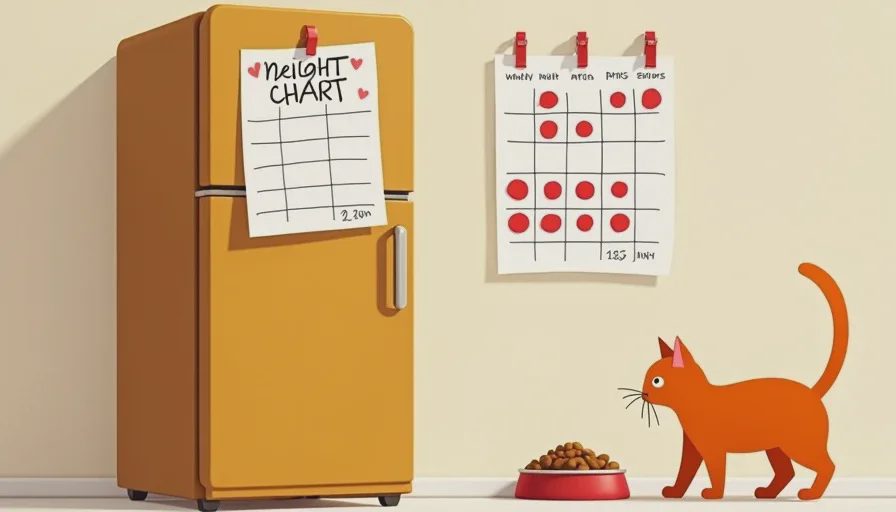
Refeeding had to stay gradual. Dumping a full meal into a starved system can trigger refeeding syndrome—electrolyte shifts that can kill. I started at roughly a quarter of what a healthy cat his size should eat and increased slowly over the first week. The clinic had walked me through the numbers. I wrote them on a piece of paper taped to the fridge so I would not second-guess myself at 3 a.m.
The Middle of the Week: Small Wins and One Near-Miss
By day five the discharge started changing color—less green, more clear. He began licking the food off the end of the syringe instead of just enduring it. That felt like a promotion. On day six he stood up on his own when I opened the carrier and took three unsteady steps toward the food dish I had left out. He did not eat from it yet, but he investigated. I texted the shelter coordinator a blurry photo and the sentence “he walked.” She replied with three heart emojis and a reminder to keep weighing him.
The near-miss came on night seven. He seemed quieter than usual. Breathing a little harder. I did the skin-tent test—pinch the scruff and watch how fast it snaps back—and it was slower than it should have been. Dehydration. I called the emergency line, got the green light for subcutaneous fluids the clinic had shown me how to give, and spent the next hour with a bag of fluids dripping under his skin while he leaned against my leg. The fluid lump looked alarming the first time. It always does. By morning it had absorbed and he was brighter.
Weight chart for that first week, for anyone who likes numbers:
Day | Weight (approx.) | Notes |
|---|---|---|
Intake | 5.8 lb | Severely under ideal, URI, one eye |
Day 2 | 5.6 lb | Refused food, started syringe |
Day 4 | 5.7 lb | Still syringe only, steam twice daily |
Day 6 | 5.9 lb | First voluntary lick of food |
Day 8 | 6.2 lb | Ate three teaspoons unassisted |
Those numbers look small on the page. In real time each tenth of a pound felt like a court ruling.
The Decision That Was Never Really a Decision
Somewhere around day ten the antibiotics finished, the congestion had eased enough that he could smell food again, and he started sleeping on the pillow next to my head instead of in the carrier. I had already bought a second litter box “just in case.” I had already moved my work laptop to the living room so he would not be alone in the bedroom all day. I had already named him Miso because the orange patches looked like the soup I made when I was too tired to cook anything else.
The shelter called to say they had a potential adopter interested in a one-eyed cat. I heard the words and felt my stomach drop in a way that had nothing to do with logic. I said I needed another week to make sure he was stable. Then I never called them back about the adopter.
Foster fail number one. I still think about that phone call sometimes. The part of me that planned to be a temporary waystation feels a little guilty. The part of me that had spent two weeks keeping this specific animal alive does not.
He is nine now. He steals water from every glass left unattended. He polices the other two cats with the quiet authority of someone who has already survived the worst week of his life. When new fosters arrive he inspects them once, thoroughly, then decides whether they are allowed on the couch. Most of them are.
That first week taught me more about cats than any book or forum thread. It taught me that recovery is rarely linear. It taught me that the difference between a dead cat and a living one can be a person willing to sit on a bathroom floor at 2 a.m. with a syringe. It taught me that “temporary” is a word humans use to protect themselves, and cats do not always respect it.
If you are in the middle of a similar first week right now—malnourished intake, raging URI, the particular terror of watching the weight trend the wrong direction—here is what I wish someone had told me in plain language:
Weigh every day, same time, same scale. Write it down.
Warm the food. Smell is everything.
Steam helps more than most of the expensive products.
Small, frequent syringe feeds beat heroic once-a-day attempts.
Call the vet or shelter the moment appetite disappears for more than a day. Hepatic lipidosis is real and it moves fast.
You will be tired. That is part of the job description.
Miso did not become the cat he is because I did everything perfectly. He became that cat because we both survived the imperfect version. The best bad decision I ever made was deciding the temporary carrier could stay a little longer.
Your cat, your rules.


Letters
No letters yet. Yours could be the first.