Case file: the mysterious breakfast crime scene
Cat vomiting after eating is one of those problems that turns a peaceful morning into a forensic investigation. You find a puddle beside the food bowl, a deeply offended cat walking away from it, and yourself searching the internet with one hand while holding a paper towel in the other. I have been there with Miso, Nori, Dumpling, and enough foster cats to know that the puddle alone does not tell you the whole story.
The first question is what came up and how your cat acts afterward. A single episode of undigested kibble shortly after a meal can happen when a cat eats too quickly. Vomit that contains hair, yellow fluid, blood, foreign material, or mostly digested food tells a different story. Behavior matters just as much: a cat who returns to normal, drinks, and asks for dinner is less alarming than one who hides, seems painful, or refuses food.
Do not punish the cat, immediately change to a rich new diet, or offer a pile of treats to make up for the tragedy. I once tried the treat strategy with a foster kitten and created a second, larger mess eight minutes later. Your cat, your rules, but the first rule is observation.
Vomiting or regurgitation? The timing gives clues
People use vomiting and regurgitation interchangeably, but they are not quite the same. Vomiting usually involves nausea, abdominal contractions, lip licking, drooling, or repeated heaving. Regurgitation often happens suddenly, with little warning, and the food may look like a tube-shaped pile of mostly undigested kibble. A cat that bolts food and brings it back up almost immediately may be regurgitating rather than vomiting.
A quick phone video can be surprisingly useful for your veterinarian. Note the time of the meal, how long afterward the episode happened, the food texture, and whether there was retching. Photograph the material if you can tolerate the assignment. Vet clinics have seen everything, including pictures that made me regret having breakfast, so there is no need to feel embarrassed.
Cat vomiting after eating once is not automatically an emergency. Repeated episodes, worsening symptoms, or a change in appetite deserve a call. The pattern is more important than one unpleasant breakfast.
Common reasons a cat brings up food
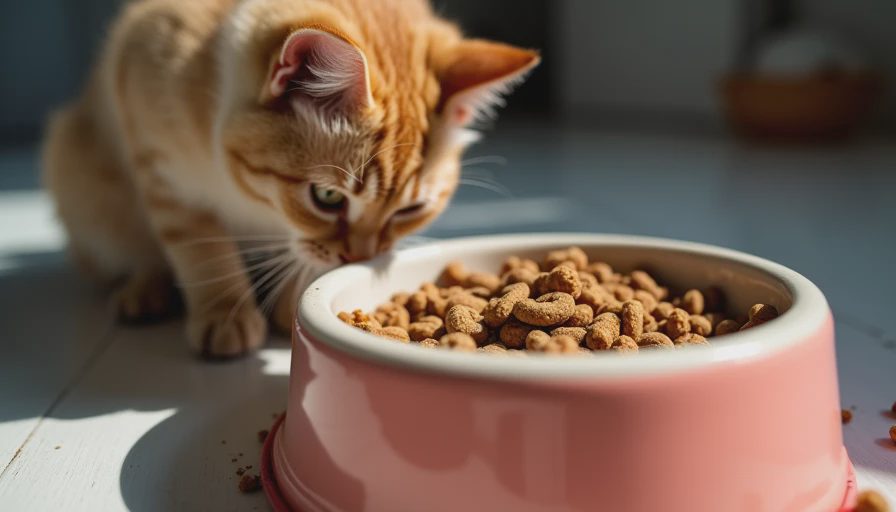
Fast eating is a frequent culprit, especially in multi-cat homes where one cat believes every bowl is a competitive sport. Stress, competition, and a history of food insecurity can make a cat inhale a meal. A shallow plate, timed feeder, or puzzle feeder can slow the pace. Introduce puzzle feeding gradually; a hungry cat should not have to solve an escape-room challenge before getting dinner.
Diet changes can also cause stomach upset. Switching brands, flavors, or protein sources abruptly may lead to vomiting or diarrhea. Transition over roughly a week by mixing increasing amounts of the new food with the old, unless your veterinarian gives different instructions. Rich table scraps, dairy, spoiled food, and sudden access to a bag of dog food can create trouble too.
Other possibilities include hairballs, parasites, inflammatory digestive conditions, kidney disease, pancreatitis, medication reactions, and an intestinal blockage. A swallowed string, ribbon, rubber band, or toy is especially concerning. If string is visible from the mouth or rectum, do not pull it; contact a veterinarian promptly.
What you can safely do at home
Start by removing food for a short period while you assess the situation, but do not force a prolonged fast without veterinary guidance. Cats can become seriously ill when they stop eating, particularly overweight cats. Keep fresh water available and watch whether your cat can keep it down. Do not give human medications such as Pepto-Bismol, acetaminophen, or ibuprofen unless a veterinarian specifically directs you. Some common human drugs are dangerous for cats.
Clean the area, check the food for an unusual smell or texture, and separate the cat from other pets if you need to monitor eating and drinking. Offer a small portion of the usual food once the stomach has settled and your cat seems interested, rather than a full refill. If that portion stays down, small meals may be easier than one large serving for the rest of the day.
For a cat vomiting after eating because of speed, I have had the best practical results from spreading wet food thinly across a plate, feeding cats in separate rooms, and dividing the daily ration into several meals. A $10 slow feeder helped Dumpling. It annoyed Nori so much that she flipped it over, proving once again that product reviews should include the cat's opinion.
When cat vomiting after eating needs urgent care
Call your veterinarian the same day if vomiting happens more than once, continues over several hours, or comes with diarrhea, lethargy, reduced appetite, weight loss, or unusual thirst. A kitten, senior cat, pregnant cat, or cat with diabetes, kidney disease, or another chronic condition deserves a lower threshold for calling.
Seek urgent veterinary care if there is blood, severe abdominal pain, collapse, trouble breathing, pale gums, repeated unproductive retching, suspected poison exposure, or a possible swallowed object. A cat that cannot keep water down can become dehydrated. Do not wait overnight because the cat is still purring; cats can purr when stressed or painful, and they are spectacularly talented at hiding illness.
Cat vomiting after eating with a history of string, lilies, human medication, antifreeze, or another toxin is an emergency conversation. Bring packaging, a sample if safely possible, and the timeline. Do not induce vomiting at home unless a veterinary professional tells you exactly what to do.
I spent money so you do not have to repeat my mistakes
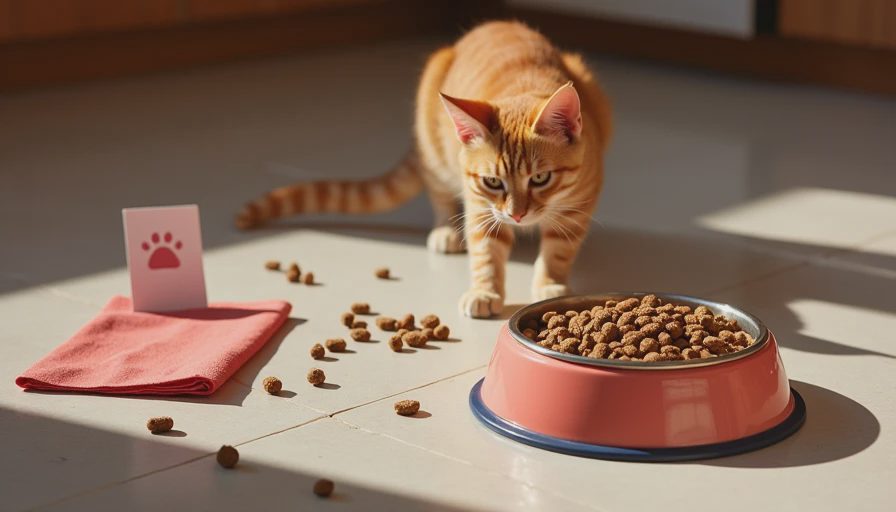
The cheapest first step is usually a notebook and a kitchen scale, not a cabinet full of supplements. Record meal size, food brand and flavor, vomiting time, stool changes, medications, and behavior. A basic digital scale often costs around $15 to $25 and can reveal gradual weight loss that is easy to miss under fur. Ask your clinic whether they want a fresh stool sample or a specific feeding trial before buying anything marketed for sensitive stomachs.
If speed is the issue, a $10 to $30 slow feeder or timed feeder can help, but neither replaces a medical evaluation. If the problem began after a food switch, return to the previous food only after speaking with your veterinarian if symptoms are significant. Avoid stacking changes: do not switch food, add pumpkin, start a supplement, and change bowls all on the same day. You will learn nothing except that your cat has opinions.
A vet visit may involve an exam, hydration assessment, fecal testing, blood work, or imaging depending on the history. The right test is determined by the cat, not by the most dramatic search result.
A simple decision checklist
Ask these questions before calling:
- Did the episode happen once, or is it repeating?
- Was the material undigested food, hair, yellow fluid, blood, or something unusual?
- Is the cat alert, comfortable, and interested in normal activities?
- Can the cat keep water down?
- Could the cat have accessed string, plants, medication, chemicals, or another pet's food?
- Is the cat a kitten, senior, or living with a known medical condition?
Cat vomiting after eating is often manageable, but “often” is not the same as “always.” Trust a change from your cat's normal behavior. You know the tiny weirdo who sleeps on your clean laundry better than any search engine does. Write down what happened, call when the pattern worries you, and remember that getting professional advice early is not overreacting. Your cat, your rules.



Letters
No letters yet. Yours could be the first.