The first time I offered Miso a tiny piece of roasted chicken, he inhaled it, stared at me like I had finally become useful, and then threw up on the bath mat. Intake details: orange tabby, underweight, recovering from an upper respiratory infection, and absolutely convinced that my dinner belonged to him. If you are wondering what human foods can cats eat, the short answer is that a few plain, carefully prepared foods can be safe treats, but cats are not small dogs with better opinions.
Cats are obligate carnivores. Their regular, complete cat food should provide the nutrients they need, while human food belongs in the occasional-treat category. A bite of cooked meat is very different from a plate of seasoned leftovers. Portion size matters, preparation matters, and your cat's medical history matters even more. A healthy adult cat may tolerate a teaspoon of plain chicken; a cat with pancreatitis, kidney disease, diabetes, food allergies, or a sensitive stomach needs a more cautious plan from a veterinarian.
Safe human foods for cats in small portions
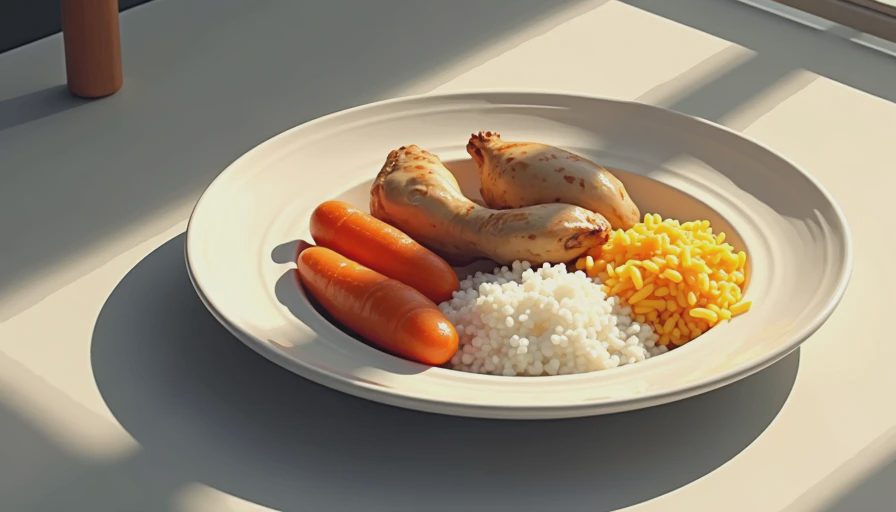
So, what human foods can cats eat without turning your kitchen into an emergency room? Plain, fully cooked animal proteins are usually the simplest choices. Unseasoned chicken, turkey, lean beef, and cooked fish can work as occasional treats. Remove bones, skin, visible fat, and any sauce. Boiled chicken breast shredded into tiny pieces is boring to us and wildly exciting to most cats. That is a feature, not a bug.
Cooked egg is another reasonable option if it is plain and fully cooked. A pea-sized piece of scrambled egg without butter, salt, pepper, cheese, or oil is enough for a first try. Some cats also enjoy a little plain pumpkin puree, not pumpkin pie filling. Pumpkin is not a magic cure for every digestive problem, but a small amount can add fiber. If vomiting, diarrhea, constipation, or loss of appetite continues, skip the pantry experiments and call the vet.
A few cats tolerate plain cooked green beans, carrots, or peas. These are not nutritionally necessary for cats, and many will inspect a vegetable with the deep suspicion normally reserved for a new vacuum cleaner. If your cat likes them, serve soft, unseasoned pieces no larger than a fingernail. Never use vegetables cooked with onion, garlic, broth, butter, or heavy seasoning.

What human foods can cats eat from your dinner plate?
The safest answer is usually something set aside before seasoning. If I am cooking chicken for myself, I can reserve a small piece before adding salt, garlic, paprika, or sauce. That takes ten seconds and prevents the classic mistake of scraping a seasoned bite into a cat's bowl because the cat has begun screaming like a tiny unpaid opera singer.
Plain cooked salmon or other fully cooked fish can be offered occasionally, but fish should not replace a complete diet. Avoid raw fish, raw eggs, and raw meat unless your veterinarian has specifically helped you create a safe feeding plan. Cooking reduces risks from pathogens, and bones can splinter or become lodged. Canned tuna packed in water is not automatically toxic, but it is not a balanced everyday food. It can also teach a cat to reject everything except tuna, which is how I ended up negotiating with a foster kitten at 2 a.m. over a can opener.
Dairy is more complicated than the internet's cartoon cats suggest. Some cats can handle a lick of plain yogurt, while others develop gas or diarrhea because they digest lactose poorly. Milk, cream, ice cream, and cheese are not necessary treats. A cat that already has loose stool does not need a dairy experiment conducted in your living room.
Foods cats should never have
When people ask what human foods can cats eat, I also want to talk about the foods that need a hard no. Onions, garlic, chives, and leeks can damage red blood cells and are dangerous in raw, cooked, powdered, or concentrated forms. Chocolate, coffee, tea, energy drinks, and other caffeine sources are unsafe. Alcohol is dangerous even in small amounts. Grapes and raisins are best kept completely away from cats because they have been associated with serious kidney problems in pets.
Xylitol, a sweetener found in some sugar-free gum, candy, baked goods, and medications, should not be offered. Keep yeast dough away too; it can expand in the stomach and ferment. Fatty scraps, heavily salted foods, spicy dishes, and sauces can cause digestive upset even when they do not contain a classic toxin. Cooked bones can splinter, and raw bones carry injury and contamination risks.
If your cat steals a dangerous food, do not wait for symptoms and do not try to make the cat vomit at home. Call your veterinarian, an emergency animal hospital, or a pet poison service promptly. Have the packaging, approximate amount, and time of ingestion ready. Your cat may look fine at first, and that is not proof that the exposure is harmless.
Portion size, preparation, and the treat budget
Even safe foods become a problem when they crowd out balanced cat food. I use the thumbnail test for adult cats: one or two thumbnail-sized pieces of plain meat is plenty for a casual treat. Start with less, especially for a foster cat whose history is unknown. Wait a day before offering the same new food again so you can notice vomiting, soft stool, itching, or a sudden refusal to eat.
Treats and extras should stay a small part of the daily calorie budget. A practical routine is to break one cooked chicken strip into several tiny pieces rather than handing over the whole strip. The cat experiences multiple rewards, and your grocery bill does not become a second pet-food subscription. For training, medication support, or carrier practice, a crumb can work just as well as a chunk.
Never use human food to hide a medication without confirming that the food is compatible with the prescription. Some cats will accept a pill in a tiny meatball; others will detect one molecule of betrayal and refuse that food forever. Ask your veterinary team about a suitable method, especially when a cat needs regular medication.
A simple safe-snack routine for multi-cat homes
Before offering a treat, read the ingredients and set aside a plain portion. Let the food cool, remove bones and skin, and cut it into pieces small enough to swallow comfortably. Give cats their treats separately if one gulps or guards food. In my three-cat apartment, Miso gets his piece on a mat, Nori eats behind a baby gate, and Dumpling patrols the entire operation like an unpaid security consultant.
Write down new foods if you foster or manage several cats. Include the ingredient, amount, date, and any reaction. This sounds overly organized until three cats share a litter box and one develops diarrhea. A tiny note can save a stressful guessing game and give your veterinarian useful information. Keep treats especially simple for kittens, seniors, and cats with diagnosed conditions.
The foster-room takeaway
What human foods can cats eat safely? Think plain, cooked, tiny, and occasional: chicken, turkey, lean meat, cooked egg, or a small amount of appropriate fish are practical starting points. Plain pumpkin or a few soft vegetables may suit some cats, but neither replaces a complete diet or veterinary care. Avoid toxic ingredients, seasoned leftovers, bones, and rich scraps.
My best advice after 40-plus foster cats is to let the cat's body be the final reviewer. Offer one small bite, observe, and stop if something seems wrong. You do not need an expensive specialty snack to make a cat feel celebrated. A warm voice, a predictable routine, and a piece of chicken smaller than your thumbnail can be enough. Your cat, your rules.



Letters
No letters yet. Yours could be the first.