The first time I searched “why does my pet...” at 2:13 a.m., Miso was staring at the hallway wall and Dumpling was screaming into an empty bathtub. I had fostered cats for years, yet I still stood there in pajama pants wondering whether I needed an emergency vet, an exorcist, or both. If you have typed why does my pet... into a search bar, you are probably trying to translate a behavior that feels bizarre, sudden, or personally insulting. The good news is that cats usually have a reason. The less convenient news is that the reason could be medical, environmental, emotional, or simply that your cat has decided the laundry basket is now a throne.
Case file: what happened before the weird behavior?
Before diagnosing anything, write down the intake details. Name, age, recent changes, appetite, litter box habits, sleep, and the exact behavior. This is my foster version of a detective board, minus the red string and dramatic soundtrack. Ask yourself when it started, how often it happens, and what occurs immediately beforehand. Did you move furniture? Add a new cat? Change litter brands? Bring home a scented candle? Start working from home? Cats notice tiny changes that humans walk past while carrying groceries.
When someone asks why does my pet... hide under the bed, I want to know whether the hiding began after a loud visitor or alongside vomiting and skipped meals. Those are very different files. A nervous cat may need a quiet room and predictable meals. A sick cat needs veterinary attention. Context keeps you from treating every problem like a personality flaw.
Cats also communicate through patterns rather than speeches. A tail held low, flattened ears, crouched posture, repeated lip licking, or sudden swatting can signal stress. Slow blinking and relaxed whiskers tell a different story. Record a short video if it is safe; a veterinarian can often learn more from a 30-second clip than from “she acted weird yesterday.”

Why does my pet... stare, cry, or follow me?
Staring at a wall can be ordinary alert behavior if your cat is tracking a sound, insect, shadow, or smell you cannot detect. Cats hear and see details we miss. Repeated staring accompanied by disorientation, stumbling, unequal pupils, collapse, or seizure-like movements is not a quirky internet moment. Call a veterinarian promptly, especially if the change is sudden.
Vocalizing has a similarly wide range. Some cats, including many Siamese and Oriental-type cats, are naturally conversational. Others yowl because they want food, attention, access to a closed room, or relief from boredom. Older cats can vocalize more with hearing loss, cognitive changes, pain, or thyroid disease. If why does my pet... cry at night has become your nightly search, schedule a medical check instead of assuming your cat is being dramatic.
Following you from room to room can mean affection, curiosity, routine, or concern that the food machine is about to leave without them. My cat Nori once followed me for twenty minutes because I was carrying a cardboard box. The box was empty. Her commitment was not. Offer play, climbing space, and predictable interaction, then look for physical symptoms if the behavior is new or intense.
Litter box changes deserve a real response
A cat who suddenly urinates outside the box is not punishing you for buying the wrong curtains. Urinary discomfort, bladder inflammation, infection, kidney disease, constipation, arthritis, and stress can all change litter habits. Straining, repeated trips with little urine, crying while urinating, blood, or a male cat producing no urine can be an emergency. Do not wait overnight when a cat may be blocked.
For less urgent accidents, review the setup. In a multi-cat home, provide one box per cat plus one extra when possible, placed in separate, low-traffic areas. Scoop at least daily. A box beside a washing machine may look convenient to you but terrifying to a cat during the spin cycle. Try an unscented litter and a large uncovered box before spending $200 on a self-cleaning model. I learned that lesson when my expensive machine became an enormous sandbox for one foster and a suspicious spaceship for another.
Clean accidents with an enzymatic cleaner designed for pet urine. Ordinary soap can leave odor traces that encourage repeat visits. Never punish, rub a cat's nose in a mess, or drag the cat to the box. That adds fear without addressing the cause.

Why does my pet... bite, swat, or suddenly avoid me?
Play aggression often looks like an ambush: pupils wide, rear end wiggling, claws out, then a sprint behind the sofa. Use wand toys, not hands, and finish with a small meal or treat so the hunt has an ending. Ten minutes twice daily can help more than leaving a basket of untouched toys in the corner. Rotate toys every few days; cats are connoisseurs of novelty and chewed cardboard.
Petting aggression is different. A cat may enjoy three strokes and then bite because the nervous system has had enough. Watch for skin twitching, tail thumping, ears turning sideways, or a head suddenly looking back at your hand. Stop before the bite, and let the cat choose whether contact resumes. If aggression appears with touch, movement, eating, or jumping, pain is possible. Dental disease, arthritis, skin problems, and injuries can make a previously affectionate cat defensive.
Avoid punishment sprays, yelling, and physical correction. These can make a cat associate you with danger while leaving the trigger untouched. Give the cat distance, block access when needed, and get professional help for repeated attacks or household safety concerns.
I spent $0 before trying the boring fixes
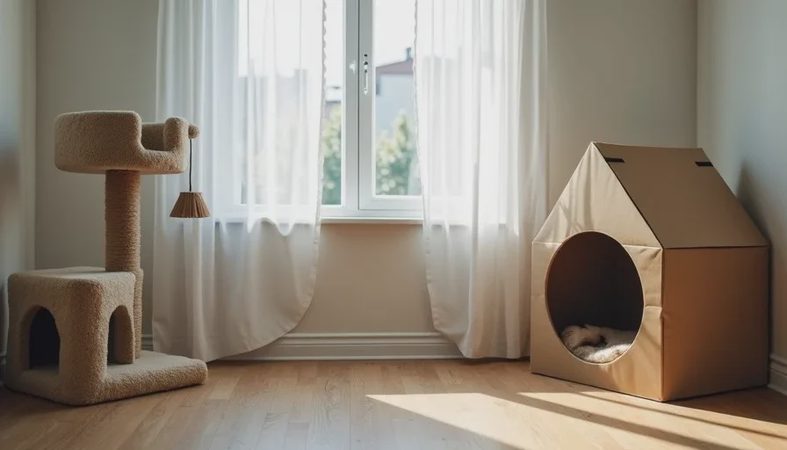
The best first steps are usually free: close the blinds when neighborhood cats trigger growling, add a cardboard hiding box, move food away from the litter area, keep meals on a schedule, and provide a high resting place. A $12 cardboard scratcher may outperform a $60 sculptural tower if it sits where the cat already wants to scratch. For stress, a quiet room, familiar bedding, and gradual introductions beat forced face-to-face meetings.
If you buy anything, start with the smallest useful experiment. A basic wand toy may cost $5 to $10. An unscented litter trial can cost $15 to $25. A pheromone diffuser often runs around $20 to $30 per month; it helped Miso during one transition but did absolutely nothing for Nori, which is why I refuse to promise a miracle product. Track the result for two weeks rather than buying five solutions at once.
When why does my pet... means call the vet
Seek prompt veterinary guidance for sudden behavior changes, not eating for a day, repeated vomiting, breathing trouble, severe lethargy, painful movement, unexplained weight loss, blood in urine, or difficulty urinating. Kittens, seniors, and cats with known medical conditions deserve an even lower threshold for calling. Bring your notes, videos, medication list, food details, and litter information. Those details save time and can save money by pointing the exam in a useful direction.
Your search phrase is not silly, and your cat is not automatically broken. Start with the timeline, rule out illness, improve the environment, and change one thing at a time. Sometimes the answer is pain. Sometimes it is stress. Sometimes your cat has discovered a new way to demand dinner at 4:47 a.m. Why does my pet... remain a mystery only until you collect the clues. Your cat, your rules.

Letters
No letters yet. Yours could be the first.