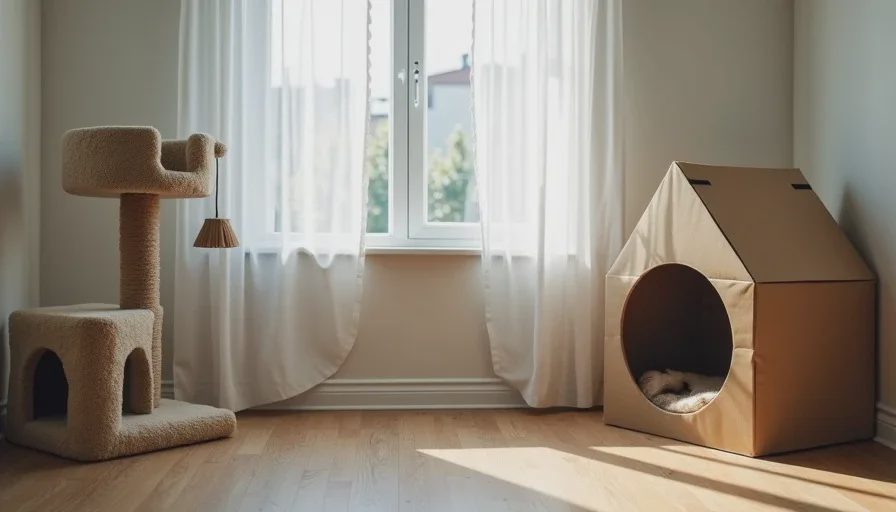
Nori and Dumpling are not enemies. They are simply incompatible operating systems sharing the same square footage.
Nori is a black Devon Rex who still treats unexpected motion as a potential threat. She startles at loud footsteps, sudden toys, and any cat that approaches too directly. Dumpling is a young calico who treats the entire apartment as an obstacle course and believes every other living creature is a potential playmate or audience. When their paths cross without management, the result is predictable: Dumpling charges, Nori freezes or flees, and the residual tension lasts longer than the actual encounter.
Miso, the senior orange tabby, mostly stays above it. He claims the highest surfaces and intervenes only when the noise level interferes with his nap schedule. The real daily work is keeping the other two from escalating.
The Core Problem Is Not Personality. It Is Access.
Cats do not need to be best friends. They need to be able to move through the home, eat, toilet, and rest without constant vigilance. When a high-energy cat repeatedly invades the space of a low-confidence cat, the shy one spends more time hiding and less time using the environment. The energetic one gets frustrated and increases the intensity of her approaches. Both end up more stressed.
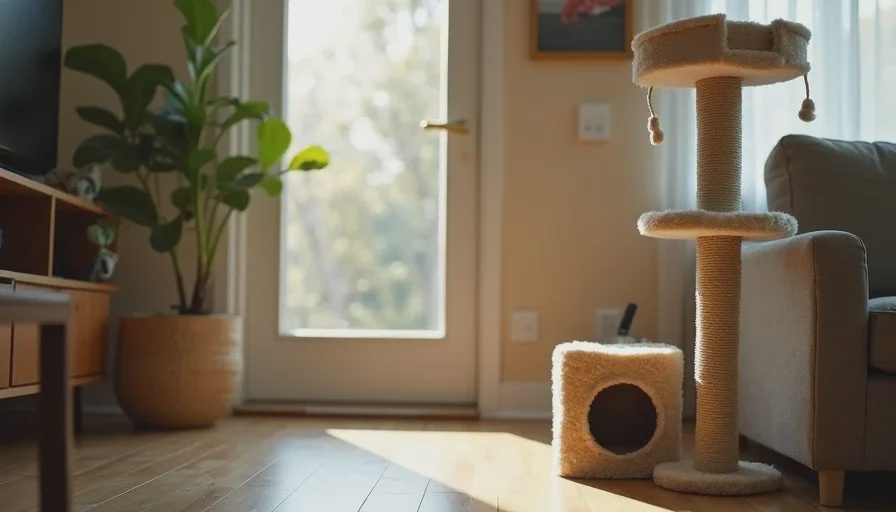
The solution is not to force them to “work it out.” It is to make the environment large enough, in practical terms, that they can avoid each other when they need to and encounter each other on neutral terms when they choose.
What Actually Reduces the Friction
Separate and multiply the key resources
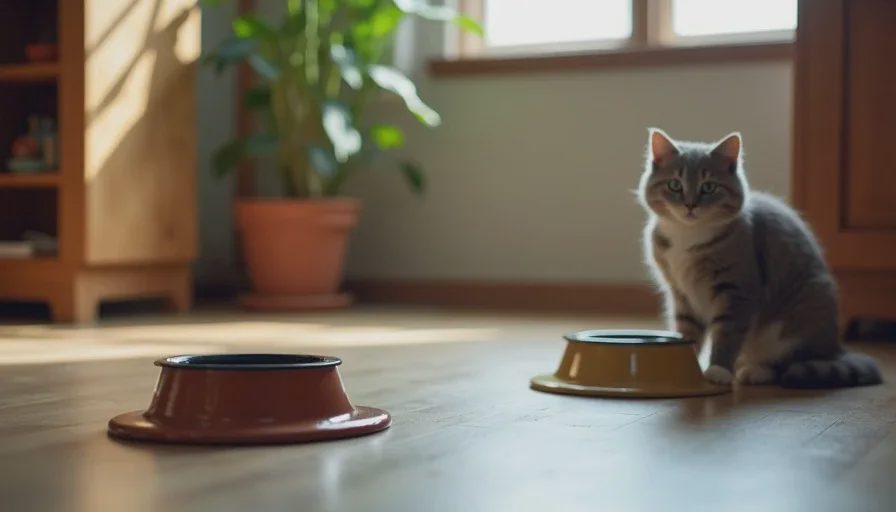
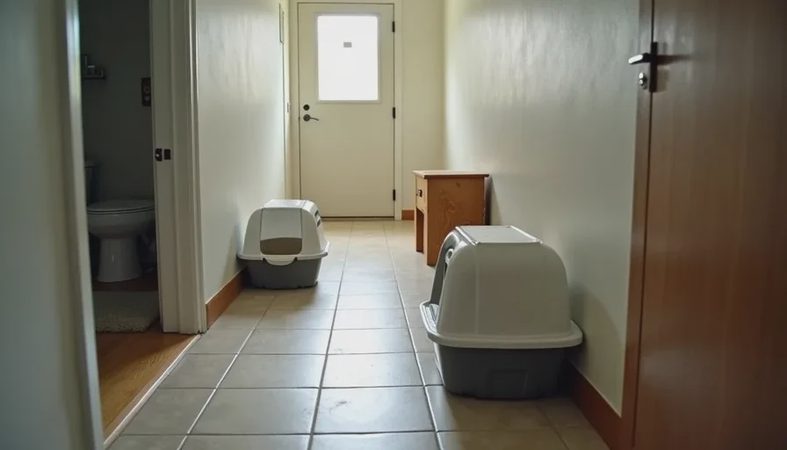
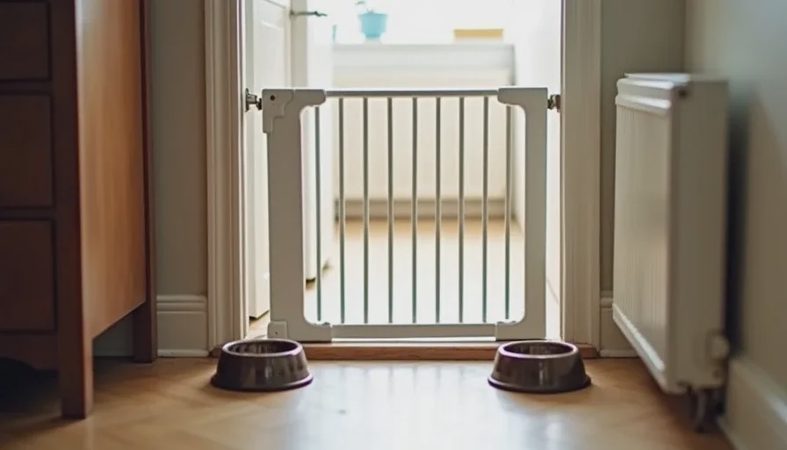
Four litter boxes in different zones. Food bowls in at least three locations, never side-by-side. Water sources in more than one room. Scratching surfaces on different levels and in different areas. This is the single highest-leverage change. When Dumpling is racing through the living room, Nori still has a quiet litter box and a feeding station she can reach without crossing the main traffic path.
Vertical space and visual barriers
Cat trees, shelves, and even cleared bookcases give Nori places to observe without being in the middle of the action. Dumpling uses the same structures for launching and climbing, which burns energy that would otherwise go into chasing. Furniture arranged so that sight lines are broken in key areas lets Nori move without feeling constantly watched.
Scheduled outlets for the chaos gremlin
Dumpling gets deliberate play sessions with a wand toy, usually twice a day, timed so she is tired before the quieter evening hours. These sessions happen in a space Nori can leave or avoid. A tired Dumpling is a less intrusive Dumpling. Free-for-all play in the middle of the apartment with both cats present tends to end with Nori under the bed.
Protected time and space for the scaredy-cat
Nori has zones that remain low-traffic. The bedroom is often hers in the late evening. I do not force interaction or invite Dumpling into those spaces during Nori’s settled periods. When Nori chooses to enter a shared area, she does it on her own terms. That autonomy matters more than any attempt to “socialize” her further.
Intervention without punishment
When Dumpling starts a high-speed approach, I redirect with a toy or calmly place a visual barrier (a piece of cardboard or a large cushion) between them. I do not scold either cat. Scolding the energetic one often increases arousal. Scolding the shy one confirms that the environment is unpredictable. Redirection and temporary separation reset the moment without adding fear.
Daily Patterns That Help
Morning: Dumpling gets a short, intense play session while Nori eats in a quieter spot.
Midday: Resources are checked and any clutter that creates bottlenecks is cleared.
Evening: Second play session for Dumpling, then quieter hours when Nori is more likely to use the main spaces.
Night: Bedroom door policy depends on the day’s tension level. Sometimes open, sometimes not.
I also watch for subtle signs that the balance is tipping: Nori spending more consecutive hours hidden, Dumpling fixating on Nori’s location, either cat avoiding a previously used resource. Those are cues to increase separation or add another temporary resource station rather than waiting for an obvious fight.
What Peace Looks Like Here
They do not cuddle. They rarely groom each other. Success is quieter: Nori walking through the living room without bolting, Dumpling choosing a toy over a chase, both cats using the same general area without constant monitoring. Miso continues to supervise from above and occasionally steals the calmest sleeping spot.
The arrangement is not permanent or perfect. New fosters temporarily reset the dynamics and require extra management. Growth spurts or seasonal energy changes in Dumpling require adjustments. The goal is not a fixed harmony. It is a flexible system that keeps both cats able to meet their needs without chronic stress.
If you have one cat who hides from motion and another who generates it, start with resource distribution and vertical options before trying to change either personality. Give the energetic cat legitimate outlets. Give the sensitive cat legitimate escape routes and quiet zones. Supervise the intersections and intervene early.
They do not have to like each other. They only have to be able to live in the same apartment without one of them paying a daily tax in fear.
Your cat, your rules. Even when the cats have very different rulebooks.
Letters
No letters yet. Yours could be the first.