Case file: adult cat, indoor-only, excellent litter-box habits, human who was tired of buying litter. I once tried to teach a foster cat to use the toilet because I imagined a cleaner bathroom and a smaller shopping bill. Instead, I got one frightened cat, a bathroom that smelled like a bus station, and a $30 training kit that went straight into the trash. Learning how to train cat to use toilet sounds clever, but the process is not right for every cat.
Cats are not tiny dogs with better balance. They need a private, stable place to eliminate, and many dislike the noise, slippery porcelain, and awkward posture of a toilet. A litter box also lets you notice changes in urine and stool, which can be an early clue that something is wrong. If your cat already uses a clean box reliably, there is no health requirement to switch.
Decide Whether Toilet Training Makes Sense
Before you learn how to train cat to use toilet, look at the individual cat instead of the fantasy version from a viral video. A confident young adult with no mobility issues may tolerate gradual training. A kitten, senior, anxious rescue, three-legged cat, or cat with arthritis is a poor candidate. Jumping onto a toilet can hurt, and balancing on a narrow seat is not easier just because your cat is agile.
Multi-cat households are another problem. One toilet cannot provide enough private options if two cats need the bathroom at the same time. Standard behavior guidance usually favors multiple litter boxes in separate locations, especially for cats who guard resources or have a history of house-soiling. With my three cats, Dumpling would treat the bathroom as a personal checkpoint, while Nori would quietly avoid it and pee beside the bath mat. That is not a training success; it is a diplomatic incident.
If the goal is less mess, start with a large uncovered box, a tracking mat, unscented clumping litter, and daily scooping. Those changes often cost less than a training system and preserve your cat's natural routine.
How to Train Cat to Use Toilet Step by Step
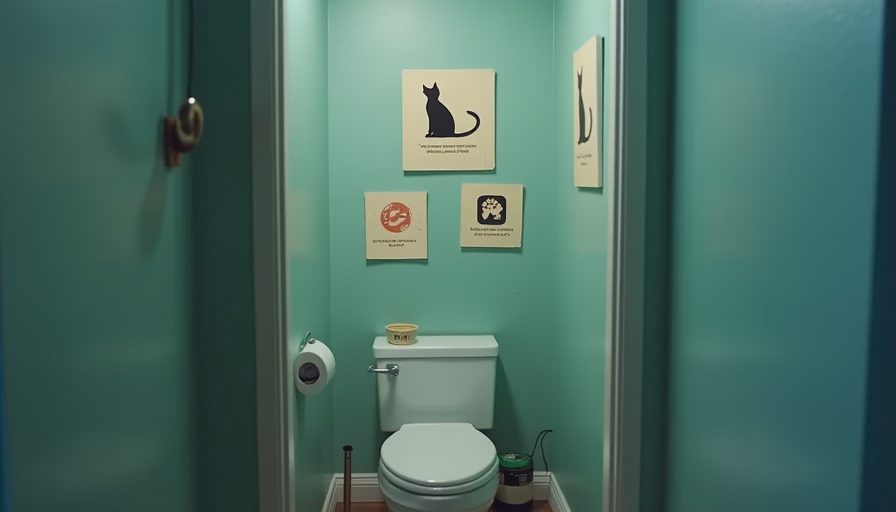
If you still want to try, begin only after your cat has used the existing litter box consistently for at least several weeks. Put a stable litter box beside the toilet. Keep the bathroom door open, place a night-light nearby, and make sure the lid stays up while the seat remains down. Never carry a cat onto the toilet or hold its paws in the bowl. That creates fear, not learning.
Move the box a few inches closer every couple of days. If your cat stops using it, move it back to the last successful location. Once the box sits beside the toilet, raise it gradually with sturdy platforms, books secured against sliding, or a purpose-made stand. Increase the height in small steps, checking that the box cannot wobble. A fall at this stage can make the entire bathroom feel unsafe.
When your cat comfortably uses the raised box, place a toilet-training insert under the litter. Start with a full layer of familiar litter. Over several days, reduce the litter depth and make the center opening slightly larger according to the insert's instructions. Do not cut a hole in a disposable food container and hope for the best; sharp edges and collapsing plastic are not a behavior plan.
The phrase how to train cat to use toilet often hides the most important instruction: go slowly. A successful transition can take several weeks. Keep a second litter box available throughout the process, and return to it immediately if your cat has an accident, cries, avoids the bathroom, or begins searching for another place to go.
Watch for Stress and Medical Problems
Toilet training can hide useful health information. You may not notice smaller urine clumps, blood, diarrhea, constipation, or a sudden increase in frequency when waste disappears into the bowl. A cat straining to urinate, producing little or no urine, crying in the box, or repeatedly licking the genital area needs prompt veterinary attention. Urinary blockage is an emergency, particularly in male cats.
Accidents are not revenge. They can signal pain, bladder inflammation, constipation, kidney disease, diabetes, conflict with another cat, or a box that feels dirty or exposed. If a previously reliable cat suddenly stops using the box, pause the project and call your veterinarian. Do not punish, yell, or rub a cat's nose near the mess. Clean accidents with an enzymatic cleaner and make the preferred toilet area easy to reach.
For cats with arthritis, a low-entry box placed near their sleeping area is usually kinder than a high toilet. A senior may need more frequent cleaning because smell, urgency, and mobility all change with age. Comfort outranks a spotless bathroom.
I Spent $30 So You Don't Have To
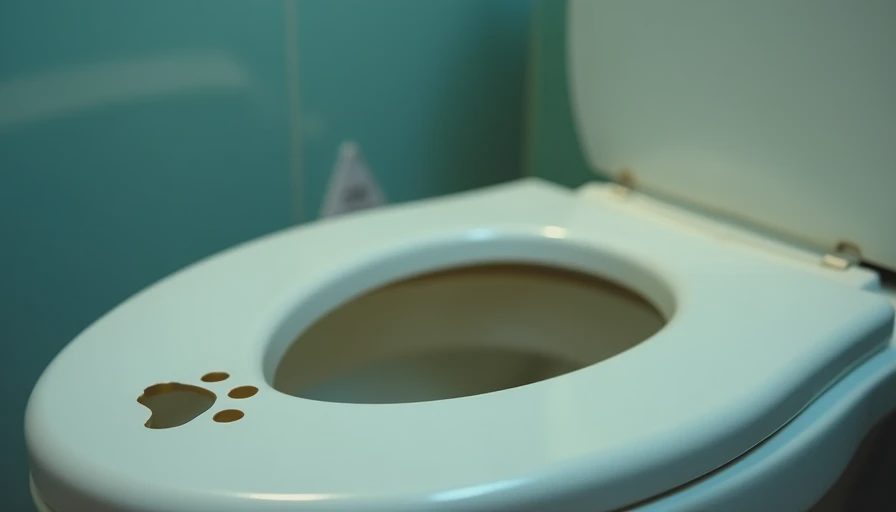
The training kit I bought included a plastic insert and several colored rings. The marketing promised a simple, gradual process. The reality was a wobbly platform, litter scattered across the floor, and a cat who decided the hallway rug was safer. The kit was not defective; it was simply a bad match for that cat and my small apartment bathroom.
If you try a commercial product, inspect the plastic for flexing, check whether the toilet model fits, and keep the receipt. Do not leave an unstable insert where a cat can fall. Put a washable mat beneath the setup, keep cleaning supplies closed, and never mix litter with toilet chemicals. Flushable cat litter is not automatically safe for plumbing or local sewer systems, and many plumbing professionals advise against flushing it.
The money-saving alternative is often a better box. A high-sided model can reduce scatter, while a covered box may contain odor but can make some cats feel trapped. An automatic box can cost $150 to $700, so try an inexpensive setup change first: scoop twice daily, use a larger box, and test a different unscented litter gradually.
When to Abandon the Experiment
Stop if your cat has two accidents, refuses food, hides, vocalizes, scratches at the bathroom door, or begins eliminating on soft surfaces. Stop sooner for a kitten, senior, disabled cat, or cat with urinary or digestive disease. The goal is reliable, comfortable elimination, not winning a contest with your plumbing.
If toilet training fails, reset the routine. Put a clean litter box in the original location, use the familiar litter, and restrict access to accident areas until they are thoroughly cleaned. Praise quiet box use with a calm voice or a small treat, but do not make a performance out of it. Most cats recover quickly when the confusing setup disappears.
The best answer to how to train cat to use toilet may be deciding not to. A scoopable box gives you control, visibility, and an escape route when your cat feels unwell. A bathroom can be convenient for a person while being physically awkward and emotionally stressful for a cat. Your cat, your rules.


Letters
No letters yet. Yours could be the first.