The 2 A.M. Case File
Patient: Dumpling, calico, approximately two years old, shelter background, excellent lungs. Presenting complaint: screaming beside my pillow at 2:17 a.m. after being fed, played with, and invited under the blankets. My mistake was assuming she was being dramatic. She was, but she also had a reason. Learning how to stop cat from meowing at night starts with figuring out what the noise is communicating.
Cats meow at night because they want food, attention, access to a closed room, play, reassurance, or relief from discomfort. Some are simply awake when you are trying to sleep. Kittens, newly adopted cats, seniors, and cats in multi-cat homes can be especially noisy after dark. The goal is not to punish the meowing. It is to identify the need, meet legitimate needs before bedtime, and stop accidentally rewarding the 3 a.m. concert.
Before changing the routine, write down when the meowing starts, where your cat stands, what happens after you respond, and whether eating, petting, or opening a door changes anything. That little log often reveals the pattern faster than a week of exhausted guessing.
Rule Out a Medical Problem First
A sudden change deserves a health check, especially if your cat is older or the vocalizing comes with weight loss, increased thirst, vomiting, diarrhea, limping, hiding, confusion, or changes in litter box use. Pain, thyroid disease, high blood pressure, urinary trouble, hearing loss, and cognitive changes can all affect nighttime behavior. A cat who cries while repeatedly visiting the litter box needs veterinary attention, not a new toy.
Do not restrict water or skip meals to make a cat quieter. Also avoid shouting, spraying water, or locking an anxious cat alone in a bathroom. Those responses can increase fear and do not explain why the behavior began. If your cat seems distressed, cannot urinate, is breathing oddly, or has not eaten, contact a veterinarian promptly. Health comes before sleep training every time.
For a healthy cat with a longstanding habit, how to stop cat from meowing at night becomes a behavior and environment project. That is good news: you can test changes one at a time instead of buying every gadget advertised to desperate people in pajamas.
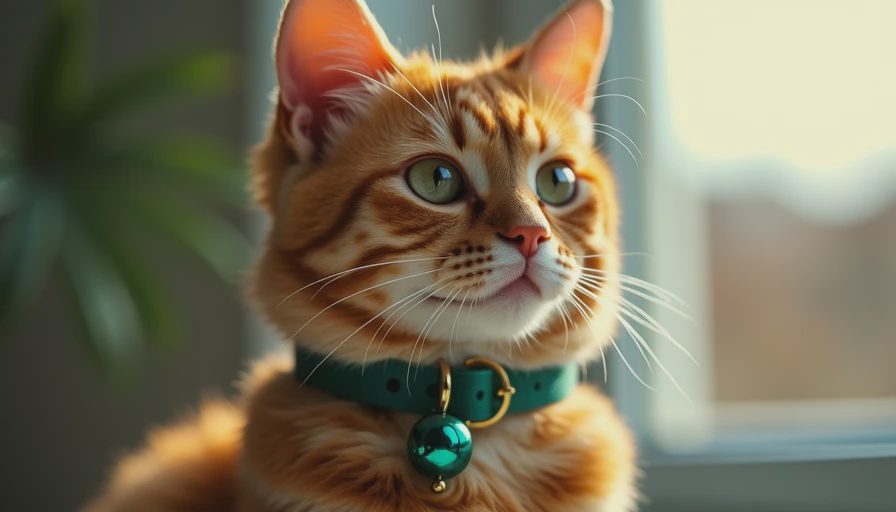
Build a Better Evening Routine
Cats are crepuscular, which means many naturally become active around dawn and dusk. You cannot turn every cat into a sleepy roommate, but you can move more of their activity into the evening. Start with a lively play session about an hour before your own bedtime. Use a wand toy, let your cat chase and pounce, and allow a few successful catches. Ten to fifteen focused minutes is more useful than waving a toy vaguely while watching television.
Follow play with the last substantial meal of the day. This sequence imitates hunt, catch, eat, groom, and sleep. For Miso, a former foster who arrived underweight and convinced food might vanish forever, a small wet-food meal after play worked better than leaving a giant bowl available all night. Nori preferred a puzzle feeder with a few pieces of kibble. Your cat, your rules; the useful part is the predictable order.
Clean the litter boxes before bed, refresh water, and offer a comfortable sleeping area away from noisy appliances. In a three-cat home, provide enough resting places that one cat cannot guard the only good bed. A heated bed should be used according to its safety instructions, with room for the cat to move away from the warmth.
How to Stop Cat from Meowing at Night Without Creating a New Habit
The most common trap is inconsistent reinforcement. If your cat meows for twenty minutes and you finally get up, your cat learns that twenty minutes works. If you open the bedroom door only after the loudest yowl, the yowl becomes part of the door-opening procedure. I learned this while fostering a kitten who treated my alarm clock like a personal butler. Every response made the next morning earlier.
After medical needs are addressed, respond to quiet behavior instead. Give attention when your cat pauses, settles on a bed, or uses a toy independently. Keep nighttime responses boring and brief: no play session, snack parade, or emotional speech about how tired you are. If your cat is safe and has access to food, water, litter, and a comfortable space, you can avoid rewarding ordinary attention-seeking meows.
This can briefly get worse before it improves. That escalation is called an extinction burst: the behavior becomes more intense because the old payoff stopped arriving. Stay consistent across household members. If one person gives treats while another ignores the noise, your cat has discovered a perfectly reasonable casino strategy.
I Spent $X So You Don't Have To
My first purchase was a $24.99 calming diffuser. It helped Miso settle during a stressful foster transition, but it did absolutely nothing for Nori's 4:45 a.m. hallway opera. A diffuser can be a useful supporting tool for some cats, but it is not a substitute for play, enrichment, or a veterinary visit. I would try routine changes before spending money.
A simple puzzle feeder can cost roughly $10 to $25, while a quality wand toy is often under $15. You can also hide small portions of your cat's regular food around a safe room, use a cardboard box with supervised holes, or rotate toys so they regain novelty. Do not leave string, ribbon, hair ties, or small chewable objects out unattended. Cheap enrichment is excellent; an emergency foreign-body surgery is not.
If outside animals are triggering the vocalizing, close blinds at night or use privacy film on a lower window. A white-noise machine or quiet fan can cover hallway sounds in an apartment. These changes cost less than repeatedly replacing your sleep-deprived personality with caffeine.

Multi-Cat Homes Need a Separate Investigation
In a home with several cats, nighttime meowing may be conflict disguised as noise. Watch for staring, blocking doorways, chasing, swatting, or one cat avoiding food and litter boxes. Add resources rather than forcing friendship: separate feeding stations, multiple litter boxes in different locations, elevated perches, scratching posts, and escape routes. A useful general starting point is one litter box per cat plus one, placed where cats can reach them without passing a rival.
For example, if Nori cries outside the bedroom because Dumpling is camping in the hallway, ignoring Nori will not solve the problem. I would move Dumpling's favorite nighttime perch, add another resting spot, and observe their traffic pattern. If tension is escalating, separate cats safely and reintroduce them gradually with professional guidance. Never let cats “fight it out.” That usually creates more fear and more midnight yelling.
A Seven-Night Reset Plan
For seven nights, keep the same bedtime: play, meal, litter check, lights down. Record the first meow and what happened immediately before it. On night one, remove obvious triggers such as outdoor views or noisy appliances. On nights two and three, add a food puzzle or timed feeder for the early-morning meal, positioned away from your bed. A timed feeder can teach your cat to wait for a machine instead of waking you, but set it before the usual meowing begins.
On nights four through seven, reward calm daytime behavior and do not create a new nighttime entertainment schedule. If the behavior is getting worse, your cat seems distressed, or there is no improvement after a consistent trial, call your veterinarian or a qualified feline behavior professional. Medication, environmental changes, or a different plan may be appropriate for anxiety, pain, or age-related confusion.
Learning how to stop cat from meowing at night is less about winning a battle and more about reading the case file accurately. Check the body, improve the evening rhythm, remove household competition, and stop paying the midnight noise by accident. I still lose occasionally; Dumpling has an impressive legal team. But most nights are now quiet enough to sleep, and that is a victory worth protecting. Your cat, your rules.


Letters
No letters yet. Yours could be the first.