Case file: three cats, one forbidden countertop
The first time I tried to figure out how to keep cats off counters, I used the classic approach: I removed the cat and said, "No." Nori stared at me, waited until I turned around, and jumped straight back beside the cutting board. Dumpling watched from the floor like she had purchased tickets. Miso, naturally, was already licking butter from a knife.
Intake details: three indoor cats, three different motivations, one small Portland kitchen, and an owner who was tired of finding paw prints in the flour. The important lesson arrived after several failed weeks: cats are not being spiteful. A counter is high, interesting, warm, full of food smells, and located exactly where their favorite person spends time. From a cat's perspective, it is premium real estate.
Learning how to keep cats off counters works best when you change the environment instead of trying to win a shouting contest. You need to remove the reward, provide a more appealing legal perch, and repeat the same response every time. This is not instant. It is more like teaching a tiny, furry roommate that the kitchen has zoning laws.
Why your cat keeps going up there
Before deciding how to keep cats off counters, identify the payoff. Food is the obvious one. A single dropped piece of chicken can turn your counter into a slot machine, especially for a foster cat who has experienced inconsistent meals. Crumbs, dirty dishes, bread bags, and an open can of tuna all reinforce the behavior.
Some cats want height. From the counter, they can monitor the dog, see who is entering the room, or avoid a pushy housemate. Others want you. If your cat jumps up and receives eye contact, conversation, or a dramatic lift to the floor, the behavior can still feel rewarding. Even negative attention is attention.
There can also be a practical reason. A counter near a sunny window may be warmer than the cat tree. A counter beside the sink may offer running water. A young cat with excess energy may simply be looking for something to do. If you only block the surface without addressing the motivation, your cat may move to the dining table, bookshelf, or the top of your refrigerator. Congratulations: you have created a tour.
Make the counter boring and the alternative excellent
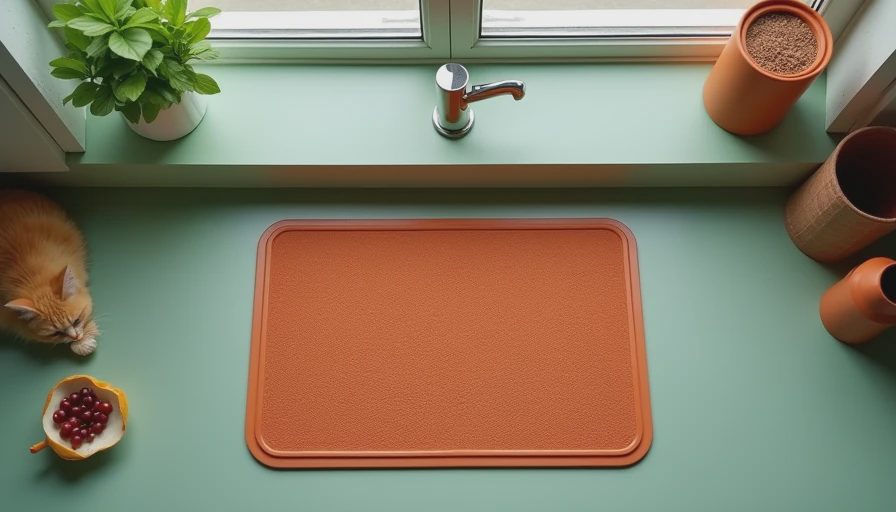
The most reliable part of learning how to keep cats off counters is making the legal option genuinely worthwhile. A $25 cardboard scratcher on the floor will not necessarily compete with a warm, elevated surface. Try a stable cat tree, a window hammock, or a sturdy shelf with a washable mat. Put it near the kitchen, not in a forgotten corner of the spare bedroom.
When your cat chooses the approved perch, reward that choice immediately. Use a small treat, a favorite toy, or calm praise. For food-motivated cats, tiny pieces of freeze-dried chicken can work better than a full-sized commercial treat. For Nori, the winning bribe was a wand toy dragged across the top platform of a $79 cat tree. Miso preferred a folded fleece blanket on a barstool because apparently he has opinions about upholstery.
You can also create a predictable kitchen routine. Before cooking, give your cat a puzzle feeder, lick mat, or short play session in another area. A five-minute wand-toy session followed by dinner often takes the edge off a young cat's counter patrol. Do not use food puzzles if your cat guards them aggressively around other pets; separate feeding areas are safer in that situation.
The calm, repeatable response
When a cat jumps onto the counter, keep your response boring. Avoid yelling, chasing, spraying water, or grabbing suddenly. Say a neutral cue such as "down," guide the cat to the floor if needed, and immediately direct them to the approved perch. Reward the perch, not the removal.
This matters because punishment can create fear without teaching the replacement behavior. A spray bottle may stop a cat while you are holding it, but it does not explain what to do when you leave the room. It can also make some cats wary of the person with the bottle. The goal is not merely an empty counter during surveillance hours. The goal is a habit that survives your shower, grocery trip, and very short attention span.
Consistency is where most humans, including me, fall apart. If the counter is forbidden during meal preparation but allowed at midnight, your cat has learned that persistence pays. If household members use different rules, the cat has learned to ask the most generous roommate. Choose one response and use it every time for several weeks.
Kitchen management that actually helps
Learning how to keep cats off counters also involves removing easy jackpots. Wipe crumbs after meals, rinse food-covered dishes, and store bread, meat, and treats in closed containers. Keep knives and hot cookware away from edges. Never leave an active stovetop unattended, even if your cat has never shown interest before. A curious paw can cause burns, broken glass, or a pan pulled onto the floor.
During complicated cooking, use a closed room, secure playpen, or comfortable cat-safe area if supervision is impossible. Add water, a bed, and a litter box when confinement lasts more than a brief preparation period. This is especially useful for fosters who are still learning household routines or cats who bolt toward doors when visitors arrive.
Do not rely on essential oils, pepper, harsh cleaners, or homemade irritant sprays. Some substances can harm cats through inhalation, skin contact, or grooming. Sticky mats and motion-activated deterrents are sometimes useful, but test any product carefully and avoid anything that could trap claws or cause panic. A clear counter plus an excellent perch usually beats a countertop obstacle course.
I spent money so you do not have to
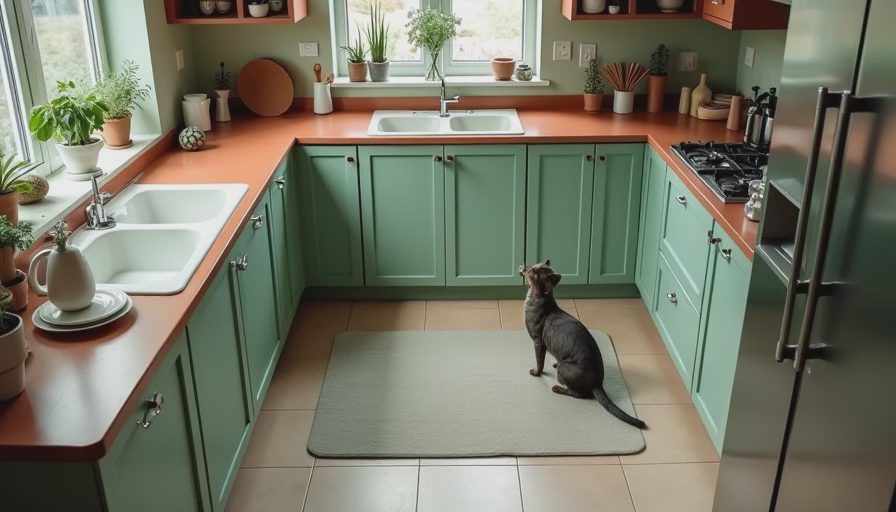
My first counter solution was a $42 motion-activated device. It worked on Miso for four days, terrified Dumpling for two, and became an object Nori eventually slept beside. The better investment was a $79 cat tree positioned beside the kitchen window, plus a $9 washable blanket. That setup gave the cats height, a view, and proximity to me while I cooked.
You may not need a tower. A securely installed shelf, a cleared bookcase top, or a sturdy chair can work if it is stable and does not sit beside a hot burner. The important features are height, comfort, a view, and enough distance from dangerous cooking equipment. If your cat likes running water, a cat fountain in a separate location can reduce sink visits, although it will not solve a food problem.
Track what happens for one week. Write down the time, trigger, and response: breakfast preparation, boredom after dinner, another cat blocking the hallway, or a sunny afternoon. Patterns make the solution cheaper. A cat who climbs at 5 p.m. may need play and dinner, not a new deterrent.
What progress should look like
Knowing how to keep cats off counters does not mean expecting perfection overnight. Start by measuring smaller wins. Your cat jumps up less often. They leave when redirected. They choose the perch while you chop vegetables. They stop checking the counter immediately after you clean it. Those are real changes.
If the behavior begins suddenly, comes with increased thirst or hunger, nighttime restlessness, aggression, or other unusual changes, schedule a veterinary appointment. A sudden behavior shift can reflect stress or a medical issue, and training will not fix pain or illness. In multi-cat homes, also check whether one cat is being blocked from food, water, resting areas, or litter boxes.
The short version of how to keep cats off counters is simple: remove the food reward, make the surface uninteresting, offer a better elevated place, reward the alternative, and repeat without drama. Your kitchen may not become completely cat-free. Mine certainly has not. But with the right setup, I can usually finish chopping onions before Dumpling begins her inspection.
Your cat, your rules.



Letters
No letters yet. Yours could be the first.